When it comes to using water condensers, safety is of paramount importance. As a reputable supplier of Water Condensers, we understand the critical role these devices play in various industrial and laboratory applications. In this blog post, we will discuss the essential safety precautions that should be taken when using water condensers to ensure the well - being of operators and the longevity of the equipment.

Pre - installation Safety Checks
Before installing a water condenser, it is crucial to conduct a series of safety checks. First, examine the physical condition of the condenser. Look for any visible signs of damage such as cracks, dents, or leaks in the tubes and the shell. A damaged condenser can pose a significant risk, as it may lead to the leakage of the cooling medium or the process fluid.
Next, verify the compatibility of the condenser with the intended application. Different types of water condensers, such as Shell and Tube Condenser, have specific operating parameters. Ensure that the condenser's material of construction is suitable for the chemical nature of the process fluid. For example, if the process fluid is corrosive, a condenser made of corrosion - resistant materials like stainless steel or titanium should be used.
Check the water source. The water used for cooling should be clean and free from debris, sediment, and contaminants. Impurities in the water can cause blockages in the condenser tubes, reducing the heat transfer efficiency and potentially leading to overheating. Additionally, the water pressure and flow rate should be within the recommended range specified by the manufacturer.
Installation Safety
During the installation process, proper handling of the water condenser is essential. Use appropriate lifting equipment to avoid dropping or mishandling the unit. Ensure that the condenser is installed on a stable and level surface to prevent vibration and potential damage during operation.
All connections, including water inlets and outlets, process fluid inlets and outlets, and electrical connections (if applicable), should be tightened securely. Loose connections can result in leaks, which can be hazardous, especially if the process fluid is toxic or flammable. It is also important to follow the manufacturer's installation instructions precisely to ensure the correct alignment and orientation of the condenser.
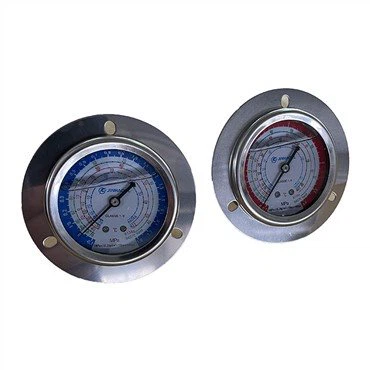
Install safety valves and pressure gauges at appropriate locations. Safety valves are designed to release excess pressure in case of a malfunction, preventing the condenser from over - pressurizing and potentially exploding. Pressure gauges allow operators to monitor the pressure inside the condenser continuously, enabling early detection of any abnormal pressure changes.
Operational Safety
Once the water condenser is installed and ready for operation, several safety precautions should be followed during its use. Regularly monitor the temperature and pressure of the process fluid and the cooling water. Deviations from the normal operating parameters can indicate a problem with the condenser, such as a blockage or a leak.
Maintain a proper water flow rate through the condenser. Insufficient water flow can lead to poor heat transfer and overheating, while excessive flow can cause erosion of the condenser tubes. Use flow meters to measure and control the water flow accurately.
Keep the area around the condenser clean and free from clutter. This ensures good ventilation and easy access for maintenance and inspection. Avoid storing flammable or combustible materials near the condenser, as heat generated during operation can pose a fire hazard.
If the condenser is part of a larger system, ensure that all associated equipment, such as pumps and valves, is operating correctly. Malfunctioning pumps can disrupt the water flow, and faulty valves can lead to improper control of the process fluid or the cooling water.
Maintenance and Inspection
Regular maintenance and inspection are key to ensuring the safe operation of water condensers. Schedule routine inspections to check for signs of wear, corrosion, and leaks. Inspect the condenser tubes for fouling, which can reduce heat transfer efficiency. If fouling is detected, appropriate cleaning methods should be employed, such as chemical cleaning or mechanical cleaning.
Replace any worn or damaged parts promptly. This includes gaskets, seals, and O - rings, which can deteriorate over time and cause leaks. Use only genuine replacement parts recommended by the manufacturer to ensure compatibility and proper functioning.
Test the safety valves periodically to ensure they are working correctly. A malfunctioning safety valve can fail to release excess pressure, putting the condenser and the entire system at risk.
Emergency Preparedness
Despite taking all the necessary safety precautions, emergencies can still occur. It is important to have an emergency response plan in place. Train operators on how to respond to different types of emergencies, such as leaks, fires, or explosions.
Provide appropriate personal protective equipment (PPE) to operators, including safety goggles, gloves, and protective clothing. In case of a leak, operators should know how to shut off the relevant valves and isolate the affected area safely.
Keep fire extinguishers and spill containment materials readily available near the condenser. This ensures that in the event of a fire or a spill, the situation can be controlled quickly and effectively.
Training and Education
Proper training and education of operators are crucial for the safe use of water condensers. Operators should be trained on the correct operation, maintenance, and safety procedures of the specific type of condenser being used. This includes understanding the operating parameters, how to read pressure and temperature gauges, and how to perform basic troubleshooting.

Regularly update the training programs to incorporate new safety information and best practices. Encourage operators to report any safety concerns or potential hazards immediately.
Conclusion
Using water condensers safely requires a comprehensive approach that includes pre - installation checks, proper installation, careful operation, regular maintenance, emergency preparedness, and operator training. By following these safety precautions, you can minimize the risk of accidents, ensure the efficient operation of the condenser, and extend its service life.
If you are in the market for high - quality water cooled refrigeration condenser or any other type of water condenser, we are here to assist you. Our team of experts can provide you with the right product and offer valuable advice on safety and maintenance. Contact us today to discuss your specific requirements and start a procurement conversation.
References
- ASHRAE Handbook - HVAC Systems and Equipment. American Society of Heating, Refrigerating and Air - Conditioning Engineers.
- Standards for the Design and Construction of Heat Exchangers. Tubular Exchanger Manufacturers Association (TEMA).
- Safety Guidelines for Industrial Equipment Operation. Occupational Safety and Health Administration (OSHA).