If you’ve ever stood beside an industrial piping system or a commercial refrigeration unit mid-operation, you know how critical every component’s timing is. The stop valve—often the unsung hero of fluid control—takes center stage when unexpected needs arise: a pipe leak, a process adjustment, or a routine shutdown. One of the most common questions our team gets as a stop valve supplier is: “What’s the closing response time?” It’s not a one-size-fits-all number; it’s a blend of design, application, and the environment it’s working in. Let’s break down what that means, how it’s measured, and why it matters for your operations.
First, let’s define a stop valve’s closing response time simply: it’s the period from when a control signal (like a lever pull, electrical pulse, or hydraulic trigger) is sent to when the valve is fully closed, stopping flow entirely. For small, residential or light commercial valves, this might feel instantaneous—blink and you miss it. But scale up to industrial systems moving hundreds of gallons per minute, and that timing becomes a non-negotiable detail. A split-second delay here can mean a minor spill, or in high-pressure chemical or cryogenic applications, a major safety risk.
Let’s start with the core factors that shape this time, because that’s where the answer lives. The first is actuation type. Stop valves use three main actuation methods, and each has wildly different closing speeds. Manual valves—where you turn a wheel or push a lever—are the slowest. A worker turning a handwheel might take 5 to 15 seconds to fully close a standard valve, depending on its size and the torque needed to overcome line pressure. That works for slow, planned shutdowns, but if you need an emergency stop, manual is too slow.
Then there are pneumatic and hydraulic actuated valves. These use compressed air or fluid pressure to move the valve stem, and they’re far faster. A standard pneumatic stop valve might close in 0.5 to 2 seconds for small 1- to 2-inch valves, up to 3 to 5 seconds for larger 6-inch units. Hydraulic actuators, which deliver more force, can cut that to 0.1 to 1.5 seconds for the same sizes—ideal for high-pressure or high-flow systems. For context, that’s faster than the blink of an eye (which is roughly 0.25 seconds), so these valves can almost instantly halt flow when needed. Electric actuated valves land somewhere in the middle, typically closing in 1 to 4 seconds, depending on the motor size.
Next, valve size and design play a huge role. A 1-inch stop valve for a residential HVAC system will close almost instantly when actuated, but a 12-inch valve for a power plant or large food processing line takes longer—up to 10 seconds for manual, and 5 to 7 seconds for actuated versions. The stem length, disc design, and the force required to seat the valve against flow pressure all add time. Trunnion-mounted disc designs, for example, reduce friction so the stem moves faster, cutting response time by 20 to 30 percent compared to older, simpler disc designs. That’s a detail we build into many of our industrial stop valves to meet urgent application needs.
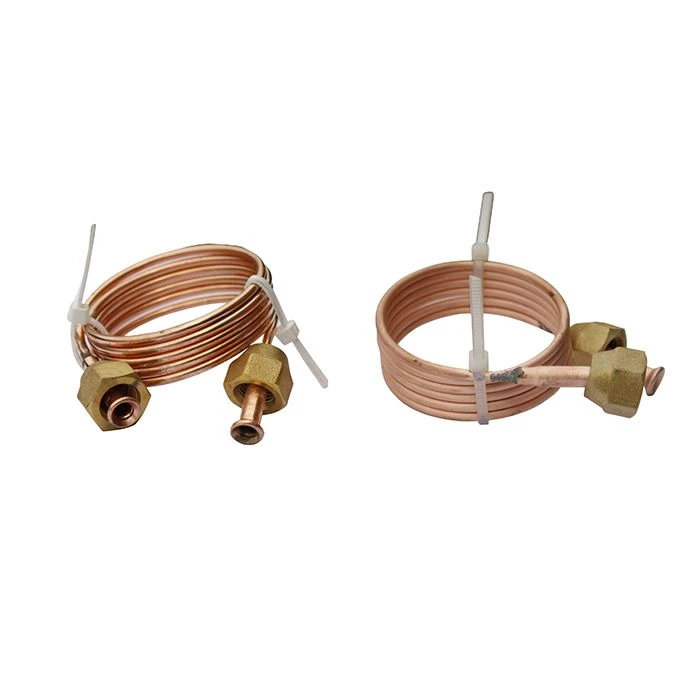

Fluid properties and system conditions are the wildcard here, too. If the line is full of high-viscosity oil or thick chemical, the disc has to work against more drag, so closing time might increase by 1 to 2 seconds. Cryogenic fluids (like liquid nitrogen or refrigerant) add another layer: the cold can make valve components contract slightly, or even freeze small parts of the actuation mechanism, slowing response. That’s why we partner with specialists in refrigeration parts to offer components that hold up in these conditions, like high-quality copper connections that resist temperature-related wear. You can check out our refrigeration-specific valves, including copper Rotalock options, at our copper connection rotalock valve for refrigeration | durable brass rotalock service valves page—parts designed to keep closing times consistent even in extreme cold.
Speaking of applications, let’s ground this in real-world use cases because numbers don’t mean much without context. For example, in commercial refrigeration systems, sudden shutdowns can cause refrigerant pressure spikes that damage compressors. A stop valve with a 1.5-second closing time is standard here—enough to stop flow before damage occurs, but not so fast that it creates a water hammer (that sharp, banging in pipes from sudden flow stops). For larger supermarket refrigeration units, we often recommend actuated valves calibrated to close in 2 to 3 seconds, balancing speed and pressure control.
In industrial chemical processing, where a leak could be hazardous, emergency stop valves (ESVs) are required by OSHA and other regulatory bodies to close in less than 1 second. These are high-speed hydraulic or pneumatic valves with reinforced actuators, engineered to move the disc and seat in milliseconds. We’ve supplied these to pharmaceutical plants handling volatile solvents, where even a 0.5-second delay could mean a safety incident.
For water and wastewater treatment plants, the needs are different. Shutdowns here are often planned, so manual or electric actuated stop valves with 3 to 10 second closing times work perfectly. The focus is on durability and easy maintenance, not split-second speed. That’s why we offer copper spare parts for these valves—they resist corrosion from chlorinated water, so you can swap out parts quickly without disrupting operations. Our copper spare parts page has all the replacements you need to keep response times consistent over years of use.
Another common application is in HVAC systems, where stop valves control flow to chillers and air handlers. Here, closing times are usually 1 to 3 seconds for small to medium valves, since sudden shutdowns can cause temperature swings that disrupt comfort. Many of our customers pair these valves with sight glasses to monitor flow and confirm the valve is fully closed—our sight glasses page is exactly for that, giving a quick visual check to ensure the response time is working as intended.
Now, let’s talk about how to measure closing response time accurately, because that’s a common point of confusion among our customers. The right way is to use a data logger connected to the valve’s control signal and a flow meter. When the signal is sent, the log starts, and stops when the flow meter reads zero. Other methods, like just timing the lever move, are inaccurate because they don’t account for actuation latency (the time between the signal and the valve starting to move) or the time it takes the disc to fully seat. For example, an electric actuator might take 0.2 seconds to start moving after the signal, then 0.8 seconds to fully close—so total response time is 1 second, not just the 0.8 seconds of stem movement.
We always recommend testing your specific system, too. A valve that closes in 1 second in a lab might take 1.5 seconds in your actual piping system, because of pressure, friction, or even pipe orientation. That’s why our team works with customers to match valve size and actuation type to their exact needs—no one-size-fits-all, even when it comes to timing.
Common mistakes we see customers make: choosing the fastest valve possible for every application, which can cause water hammer or pressure surges. A valve that closes in 0.5 seconds might be great for an emergency, but for a planned shutdown, it can damage pipes or equipment. We advise matching response time to the risk: high-speed only for emergency scenarios, moderate speed for planned use.
Another detail is maintenance—response time can slow over time if the valve isn’t cared for. Dirt and debris can build up in the stem or disc, increasing friction and adding 1 to 2 seconds to closing time. Regular lubrication, inspection, and using high-quality spare parts (like those from our copper spare parts line) keep valves working at their original speed. That’s why we emphasize routine checks, especially in systems where timing is critical.
Looking ahead, what’s next for stop valve response times? New materials and digital technology are pushing speeds even higher. Smart actuators that adjust closing time based on real-time system pressure are becoming more common—they can close faster when pressure spikes, slower during planned shutdowns, optimizing both safety and efficiency. For example, some of our latest actuated valves now integrate with building management systems, so they adjust response times automatically based on what the system needs at any moment.
At the end of the day, the closing response time of a stop valve isn’t a random number—it’s a critical specification that ties to safety, efficiency, and reliability. Whether you’re working on a small refrigeration unit, a large industrial chemical plant, or a commercial HVAC system, understanding that time helps you choose the right valve and keep your operations running smoothly.
If you’re not sure what response time your system needs, or want to learn more about our range of stop valves, copper Rotalock valves, liquid distributors, or other components tailored to your application, reach out to our team. We work with customers across industries to find the right solutions that meet their timing and performance needs.
References
- Valin Corp. "Actuated Valve Response Time: A Guide for Process Engineers." 2022.
- Spirax Sarco. "Control Valve Response Time: Measurement and Applications." 2021.
- ASME B16.34. "Valves—Flanged, Threaded, and Welded End." American Society of Mechanical Engineers, 2019.
- Emerson. "Emergency Shutoff Valves: Safety and Performance in Industrial Applications." 2023.