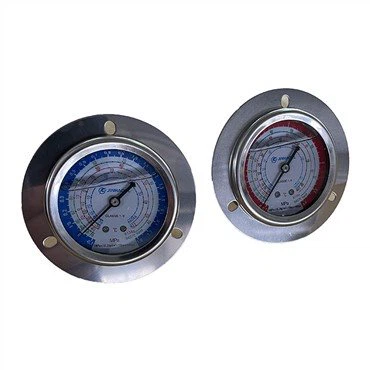
As a trusted supplier of oil gauges, I've received numerous inquiries about the normal oil pressure range for diesel engines as indicated by oil gauges. Understanding this range is crucial for maintaining the health and performance of diesel engines, whether they're used in heavy - duty trucks, industrial machinery, or marine vessels.
The Significance of Oil Pressure in Diesel Engines
Oil is the lifeblood of a diesel engine. It lubricates moving parts, reduces friction, and helps dissipate heat. Proper oil pressure ensures that the engine components are well - lubricated and protected from wear and tear. Insufficient oil pressure can lead to increased friction, overheating, and eventually, engine failure. On the other hand, excessive oil pressure can cause damage to gaskets, seals, and other engine components.
Factors Affecting Oil Pressure
Before delving into the normal oil pressure range, it's essential to understand the factors that can influence oil pressure in a diesel engine.


- Engine Temperature: Cold oil is thicker and can cause higher oil pressure. As the engine warms up, the oil thins, and the pressure typically decreases.
- Oil Viscosity: The viscosity of the oil, which is its resistance to flow, plays a significant role. Higher - viscosity oils generally result in higher oil pressure compared to lower - viscosity oils.
- Engine Speed: As the engine speed increases, the oil pump circulates more oil, which can lead to a rise in oil pressure.
- Wear and Tear: Over time, engine components can wear out, such as the oil pump or bearings. This wear can cause a decrease in oil pressure.
Normal Oil Pressure Range for Diesel Engines
The normal oil pressure range for diesel engines can vary depending on the engine's make, model, and application. However, in general, at idle, a diesel engine should have an oil pressure between 10 - 20 psi (pounds per square inch). This relatively low pressure at idle is normal because the engine is running at a low speed, and the oil pump is not working as hard.
When the engine is under load or running at higher speeds, the oil pressure should typically be in the range of 40 - 60 psi. This higher pressure is necessary to ensure that the engine components are adequately lubricated when the engine is working harder.
It's important to note that these are just general guidelines, and the exact normal range should be determined by referring to the engine manufacturer's specifications. Some high - performance diesel engines may have a different normal oil pressure range. For example, certain heavy - duty diesel engines used in large trucks may have a normal operating pressure of up to 80 psi under heavy load.
Monitoring Oil Pressure with an Oil Gauge
An oil gauge is a vital instrument that allows you to monitor the oil pressure in your diesel engine. As an oil gauge supplier, I understand the importance of accurate and reliable oil gauges. A high - quality oil gauge can provide real - time information about the oil pressure, allowing you to detect any potential issues early.
When selecting an oil gauge for a diesel engine, it's crucial to choose one that is compatible with the engine's oil pressure range. The gauge should have a clear and easy - to - read display, and it should be able to withstand the harsh conditions inside the engine compartment, such as high temperatures and vibrations.
Troubleshooting Abnormal Oil Pressure
If the oil pressure reading on your gauge falls outside the normal range, it's a sign that there may be a problem with your diesel engine. Here are some common causes and solutions for abnormal oil pressure:
- Low Oil Pressure:
- Low Oil Level: Check the oil level in the engine. If it's low, add the appropriate type and amount of oil.
- Worn Oil Pump: A worn oil pump may not be able to circulate enough oil, resulting in low pressure. The oil pump may need to be replaced.
- Clogged Oil Filter: A clogged oil filter can restrict the flow of oil, causing low pressure. Replace the oil filter.
- High Oil Pressure:
- Wrong Oil Viscosity: Using an oil with a viscosity that is too high for the engine can lead to high oil pressure. Drain the oil and replace it with the recommended viscosity.
- Faulty Pressure Relief Valve: The pressure relief valve is designed to limit the oil pressure. If it's stuck closed, it can cause high oil pressure. The valve may need to be repaired or replaced.
Related Products and Their Importance
In addition to oil gauges, there are other important components in a diesel engine system. For instance, the Liquid Distributor plays a crucial role in evenly distributing the refrigerant or other fluids in the engine's cooling or lubrication system. A proper distribution ensures efficient operation and prevents overheating or uneven wear.
The Rotalock Valve is another important part. It is used to control the flow of fluids in the system. Its design allows for easy installation and removal, which is beneficial for maintenance and repair.
The Stop Valve is essential for shutting off the flow of fluids when necessary, such as during maintenance or in case of an emergency. This valve provides a reliable way to control the fluid flow in the engine system.
Conclusion
Maintaining the proper oil pressure in a diesel engine is essential for its longevity and performance. By understanding the normal oil pressure range and using a high - quality oil gauge to monitor it, you can detect and address any potential issues early. As an oil gauge supplier, I'm committed to providing the best products to help you keep your diesel engines running smoothly.
If you're in the market for an oil gauge or have any questions about oil pressure in diesel engines, I encourage you to reach out for a procurement discussion. I can provide you with detailed information about our products and help you choose the right oil gauge for your specific needs.
References
- "Diesel Engine Maintenance Manuals" - Various engine manufacturers
- "Automotive Lubrication and Oil Systems" - Industry textbooks