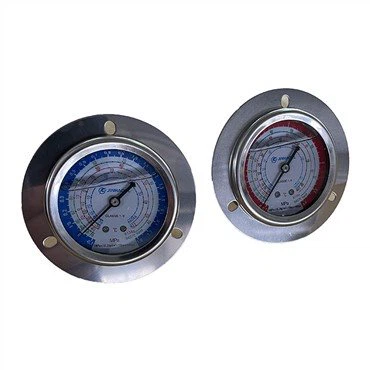
As a dedicated supplier of Sight Glasses, I understand the critical importance of ensuring the integrity of these essential components. Sight glasses play a pivotal role in various industries, particularly in refrigeration systems, where they allow operators to visually inspect the flow, level, and condition of fluids. In this blog post, I will share comprehensive insights on how to test the integrity of a sight glass, covering different testing methods, common issues, and best practices.
Understanding the Importance of Sight Glass Integrity
Before delving into the testing methods, it's essential to grasp why maintaining the integrity of sight glasses is so crucial. A damaged or compromised sight glass can lead to inaccurate readings, which may result in improper system operation, equipment damage, or even safety hazards. For instance, in a refrigeration system, a faulty sight glass may prevent operators from detecting a refrigerant leak or low oil level, leading to compressor failure and costly repairs.
Visual Inspection
The first and most straightforward method of testing the integrity of a sight glass is through visual inspection. This method involves a thorough examination of the sight glass for any visible signs of damage, such as cracks, scratches, or discoloration.
- External Inspection: Start by inspecting the exterior of the sight glass. Look for any cracks or chips on the surface, which may indicate structural damage. Check the seals around the sight glass for signs of wear or leakage. A damaged seal can allow moisture or contaminants to enter the system, compromising the accuracy of the readings.
- Internal Inspection: Next, examine the interior of the sight glass. Look for any signs of cloudiness, discoloration, or debris. Cloudy or discolored sight glasses may indicate the presence of moisture or contaminants in the system, while debris may obstruct the view and affect the accuracy of the readings.
Pressure Testing
Pressure testing is a more comprehensive method of testing the integrity of a sight glass. This method involves subjecting the sight glass to a specified pressure to ensure that it can withstand the operating conditions without leaking or failing.
- Test Setup: To perform a pressure test, you will need a pressure testing kit, which typically includes a pressure gauge, a pressure source, and a set of fittings. Connect the pressure testing kit to the sight glass according to the manufacturer's instructions. Make sure that all connections are tight and secure to prevent any leaks during the test.
- Test Procedure: Once the test setup is complete, gradually increase the pressure to the specified test pressure. Hold the pressure for a specified period, typically 10 to 15 minutes, and observe the sight glass for any signs of leakage or deformation. If there are any leaks or signs of deformation, the sight glass should be replaced immediately.
- Test Pressure and Duration: The test pressure and duration will depend on the specific application and the manufacturer's recommendations. In general, the test pressure should be higher than the maximum operating pressure of the system to ensure that the sight glass can withstand the worst-case scenario. The duration of the test should be long enough to detect any slow leaks or deformation.
Vacuum Testing
Vacuum testing is another method of testing the integrity of a sight glass. This method involves creating a vacuum inside the sight glass to check for any leaks or defects.
- Test Setup: To perform a vacuum test, you will need a vacuum pump, a vacuum gauge, and a set of fittings. Connect the vacuum pump and the vacuum gauge to the sight glass according to the manufacturer's instructions. Make sure that all connections are tight and secure to prevent any leaks during the test.
- Test Procedure: Once the test setup is complete, start the vacuum pump and gradually reduce the pressure inside the sight glass to the specified vacuum level. Hold the vacuum for a specified period, typically 10 to 15 minutes, and observe the vacuum gauge for any signs of pressure increase. If there is a significant pressure increase, it may indicate a leak in the sight glass or the system.
- Vacuum Level and Duration: The vacuum level and duration will depend on the specific application and the manufacturer's recommendations. In general, the vacuum level should be lower than the minimum operating pressure of the system to ensure that the sight glass can withstand the worst-case scenario. The duration of the test should be long enough to detect any slow leaks or defects.
Ultrasonic Testing
Ultrasonic testing is a non-destructive testing method that can be used to detect internal defects in a sight glass. This method involves using ultrasonic waves to detect any changes in the material properties of the sight glass, such as cracks or voids.
- Test Setup: To perform an ultrasonic test, you will need an ultrasonic testing device, which typically includes a transducer, a signal generator, and a display unit. Place the transducer on the surface of the sight glass and apply a coupling agent, such as oil or water, to ensure good contact between the transducer and the sight glass.
- Test Procedure: Once the test setup is complete, activate the ultrasonic testing device and scan the surface of the sight glass. The ultrasonic waves will penetrate the material of the sight glass and reflect back to the transducer. Any changes in the material properties, such as cracks or voids, will cause a change in the reflected signal, which can be detected by the display unit.
- Interpretation of Results: The results of an ultrasonic test will depend on the specific application and the manufacturer's recommendations. In general, any significant changes in the reflected signal may indicate the presence of internal defects in the sight glass. If there are any signs of internal defects, the sight glass should be replaced immediately.
Common Issues and Solutions
Despite the best testing methods, sight glasses may still experience common issues over time. Here are some of the most common issues and their solutions:
- Cloudy or Discolored Sight Glasses: Cloudy or discolored sight glasses may indicate the presence of moisture or contaminants in the system. To solve this issue, you can try cleaning the sight glass with a mild detergent and water. If the cloudiness or discoloration persists, you may need to replace the sight glass.
- Leaking Sight Glasses: Leaking sight glasses may indicate a damaged seal or a crack in the sight glass. To solve this issue, you can try tightening the seals or replacing the damaged parts. If the leak persists, you may need to replace the sight glass.
- Obstructed Sight Glasses: Obstructed sight glasses may indicate the presence of debris or contaminants in the system. To solve this issue, you can try flushing the system with a suitable cleaning agent. If the obstruction persists, you may need to replace the sight glass.
Best Practices for Maintaining Sight Glass Integrity
To ensure the long-term integrity of your sight glasses, it's important to follow these best practices:
- Regular Inspection: Perform regular visual inspections of your sight glasses to detect any signs of damage or wear. Inspect the seals, the surface, and the interior of the sight glass for any cracks, chips, or debris.
- Proper Installation: Make sure that your sight glasses are installed correctly according to the manufacturer's instructions. Use the correct seals and fittings, and tighten all connections securely to prevent any leaks.
- Cleaning and Maintenance: Clean your sight glasses regularly to remove any dirt, debris, or contaminants. Use a mild detergent and water, and avoid using abrasive cleaners or tools that may damage the surface of the sight glass.
- Replacement of Worn Parts: Replace any worn or damaged parts of your sight glasses, such as seals or gaskets, as soon as possible. Worn parts can compromise the integrity of the sight glass and lead to leaks or other issues.
Conclusion
Testing the integrity of a sight glass is an essential part of maintaining the safety and efficiency of your system. By following the methods and best practices outlined in this blog post, you can ensure that your sight glasses are in good condition and providing accurate readings. If you have any questions or need further assistance with testing the integrity of your sight glasses, please feel free to [contact us for procurement and negotiation]. We are a leading supplier of Sight Glasses, Stop Valve, and Oil Gauge, and we are committed to providing our customers with high-quality products and excellent service.


References
- ASME Boiler and Pressure Vessel Code
- API Standard 650
- Manufacturer's Instructions and Recommendations