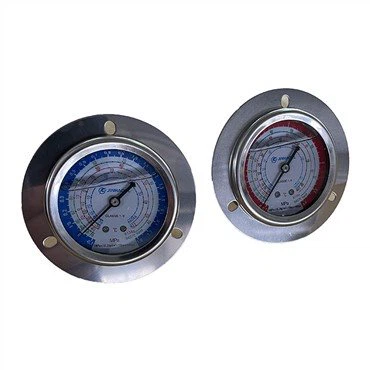
As a seasoned supplier of oil separators, I've witnessed firsthand the critical role that oil temperature plays in the performance of these essential components. Oil separators are designed to separate oil from refrigerant vapor in refrigeration and air - conditioning systems, ensuring efficient operation and extending the lifespan of the equipment. In this blog post, I'll delve into the impact of oil temperature on the performance of an oil separator, exploring the underlying scientific principles and practical implications.
Viscosity and Separation Efficiency
One of the primary ways in which oil temperature affects the performance of an oil separator is through its influence on oil viscosity. Viscosity is a measure of a fluid's resistance to flow, and it has a significant impact on the separation process. As the temperature of the oil increases, its viscosity decreases. This change in viscosity can have both positive and negative effects on the oil separator's performance.
At lower temperatures, the oil is more viscous, which means it has a greater resistance to flow. This can make it more difficult for the oil to separate from the refrigerant vapor, as the droplets of oil are less likely to coalesce and settle out of the vapor stream. In some cases, the high - viscosity oil may form a thick film on the internal surfaces of the oil separator, reducing the efficiency of the separation process.
Conversely, at higher temperatures, the reduced viscosity of the oil allows it to flow more freely. This can enhance the coalescence of oil droplets, making it easier for them to separate from the refrigerant vapor. However, if the temperature is too high, the oil may become too thin, and the droplets may not be able to settle out effectively. Additionally, high temperatures can cause the oil to break down chemically, leading to the formation of sludge and other contaminants that can clog the oil separator and reduce its performance.
Density and Buoyancy
Another important factor affected by oil temperature is density. The density of a fluid is its mass per unit volume, and it plays a crucial role in the separation process. As the temperature of the oil increases, its density decreases. This change in density affects the buoyancy of the oil droplets in the refrigerant vapor.
In an oil separator, the separation process relies on the difference in density between the oil and the refrigerant vapor. The oil droplets, which are denser than the vapor, tend to settle out due to gravity. When the oil temperature is low, the higher density of the oil enhances this settling process, making it easier for the oil to separate from the vapor. However, as the temperature rises and the density of the oil decreases, the buoyancy of the oil droplets increases, and they may be more likely to remain suspended in the vapor stream.


This can lead to reduced separation efficiency, as some of the oil may not be effectively removed from the refrigerant vapor. In extreme cases, if the temperature is too high, the oil droplets may become so buoyant that they are carried out of the oil separator along with the refrigerant vapor, resulting in oil carry - over and potential damage to other components in the refrigeration system.
Solubility and Chemical Stability
Oil temperature also affects the solubility of the oil in the refrigerant. In many refrigeration systems, the refrigerant and the oil are in contact with each other, and some degree of solubility is inevitable. As the temperature increases, the solubility of the oil in the refrigerant generally increases.
This can have several implications for the performance of the oil separator. If the oil is too soluble in the refrigerant at high temperatures, it may be more difficult to separate the oil from the vapor. The dissolved oil may not form distinct droplets that can be easily separated, and it may remain in the refrigerant stream, reducing the efficiency of the oil separator.
Moreover, high temperatures can also affect the chemical stability of the oil. Over time, exposure to high temperatures can cause the oil to oxidize and break down, forming acids, sludge, and other degradation products. These contaminants can not only reduce the performance of the oil separator but also damage other components in the refrigeration system, such as the compressor and the expansion valve.
Practical Implications for Oil Separator Design and Operation
Understanding the impact of oil temperature on the performance of an oil separator is essential for designing and operating these components effectively. When designing an oil separator, engineers must consider the expected operating temperature range of the system and select the appropriate materials and design features to ensure optimal performance.
For example, in systems that operate at high temperatures, it may be necessary to use materials that are resistant to thermal degradation and chemical corrosion. Additionally, the design of the oil separator may need to be optimized to enhance the separation process at high temperatures, such as by increasing the surface area available for coalescence or using more efficient separation mechanisms.
In terms of operation, it is crucial to monitor and control the oil temperature within the recommended range. This may involve using temperature sensors and controllers to adjust the cooling or heating of the oil as needed. By maintaining the oil temperature within the optimal range, the efficiency of the oil separator can be maximized, and the lifespan of the refrigeration system can be extended.
Related Components in Refrigeration Systems
In addition to oil separators, other components in refrigeration systems are also affected by temperature and play a role in the overall performance of the system. For example, [Vertical Liquid Receiver](refrigeration - spare - parts/pressure - vessel/vertical - liquid - receiver.html), [Horizontal Liquid Receiver](refrigeration - spare - parts/pressure - vessel/horizontal - liquid - receiver.html), and [Liquid Receiver](refrigeration - spare - parts/pressure - vessel/liquid - receiver.html) are important pressure vessels that store the liquid refrigerant in the system.
The temperature of the refrigerant in these liquid receivers can also affect their performance. Similar to the oil in an oil separator, the density and viscosity of the refrigerant can change with temperature, which can impact the flow and storage characteristics of the liquid. Ensuring proper temperature control in these components is essential for maintaining the efficiency and reliability of the entire refrigeration system.
Conclusion
In conclusion, oil temperature has a profound impact on the performance of an oil separator. From viscosity and density to solubility and chemical stability, temperature affects multiple aspects of the separation process. By understanding these effects, engineers can design more efficient oil separators, and operators can optimize the operation of their refrigeration systems.
If you are in the market for high - quality oil separators or other refrigeration components, I encourage you to reach out to us. Our team of experts can provide you with the best solutions tailored to your specific needs. Whether you are looking for a reliable oil separator or need advice on system design and operation, we are here to help. Contact us today to start a productive discussion about your procurement requirements.
References
- Stoecker, W. F., & Jones, J. W. (1982). Refrigeration and Air Conditioning. McGraw - Hill.
- ASHRAE Handbook. (2017). Refrigeration. American Society of Heating, Refrigerating and Air - Conditioning Engineers.
- Dossat, R. J. (1991). Principles of Refrigeration. Prentice Hall.