In the world of automotive and industrial engines, the pursuit of optimal performance is a never - ending journey. Engine owners and operators are constantly on the lookout for components and technologies that can enhance power, efficiency, and longevity. One such component that has gained significant attention is the oil separator. As an oil separator supplier, I am often asked the question: "Can an oil separator improve engine performance?" In this blog, we will delve deep into the science behind oil separators and explore how they can have a positive impact on engine performance.

Understanding the Basics of an Oil Separator
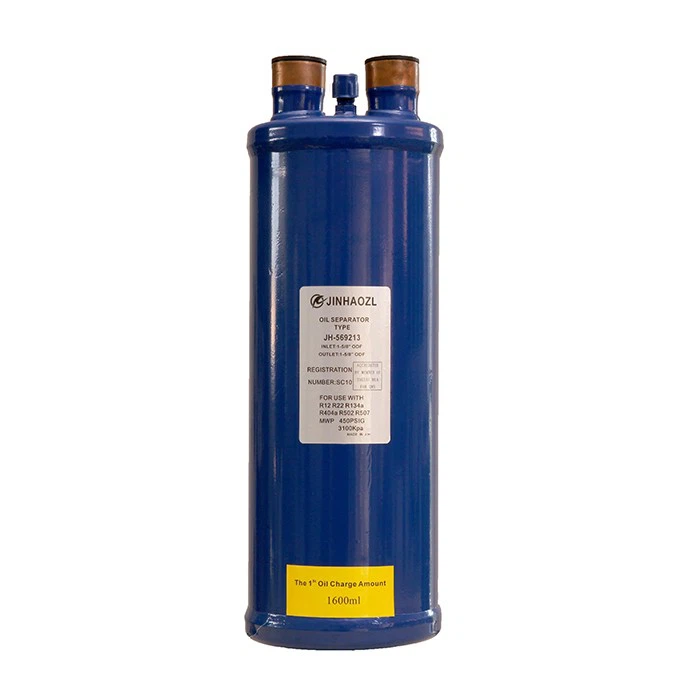
Before we discuss the impact on engine performance, let's first understand what an oil separator is and how it works. An [Oil Separator](/refrigeration - spare - parts/pressure - vessel/oil - separator.html) is a device designed to separate oil from other substances, typically air or gas. In an engine, the crankcase ventilation system allows blow - by gases (a mixture of unburned fuel, air, and combustion by - products) to escape from the combustion chamber into the crankcase. These blow - by gases contain oil mist, which, if left unaddressed, can cause several problems.
The oil separator uses various separation techniques, such as centrifugal force, coalescence, or filtration, to separate the oil droplets from the blow - by gases. Once separated, the oil is returned to the engine's lubrication system, while the clean gases are either recirculated back into the intake manifold or vented to the atmosphere, depending on the engine design.
Impact on Engine Lubrication
One of the primary ways an oil separator can improve engine performance is by enhancing the engine's lubrication system. When blow - by gases carry oil mist out of the crankcase, it can lead to a reduction in the oil level in the engine. This not only increases the risk of engine wear due to insufficient lubrication but also affects the oil's ability to cool and clean the engine components.
By separating the oil from the blow - by gases and returning it to the lubrication system, an oil separator helps maintain the proper oil level in the engine. This ensures that all engine components are adequately lubricated, reducing friction and wear. Reduced friction means less energy is wasted in overcoming resistance between moving parts, which can lead to improved fuel efficiency and increased power output.
Prevention of Carbon Deposits
Another significant benefit of using an oil separator is the prevention of carbon deposits in the engine. When oil mist is carried into the intake manifold along with the blow - by gases, it can mix with the incoming air - fuel mixture. During the combustion process, the oil can burn incompletely, leaving behind carbon deposits on the intake valves, pistons, and combustion chamber walls.
These carbon deposits can have a detrimental effect on engine performance. They can reduce the flow of air and fuel into the combustion chamber, leading to a decrease in power and efficiency. Additionally, carbon deposits can cause pre - ignition and detonation, which can damage the engine over time. An oil separator helps prevent these issues by removing the oil mist from the blow - by gases before they enter the intake manifold, keeping the engine clean and running smoothly.
Protection of Turbochargers and Superchargers
In engines equipped with turbochargers or superchargers, an oil separator is even more crucial. These forced - induction systems rely on high - speed rotating components, such as turbines and compressors, which require precise lubrication and cooling. If oil mist is allowed to enter the turbocharger or supercharger, it can cause several problems.
The oil can coat the turbine and compressor blades, reducing their efficiency and increasing the risk of damage due to imbalance. It can also cause carbon deposits to form inside the turbocharger or supercharger, which can restrict the flow of air and reduce the boost pressure. By using an oil separator to remove the oil mist from the blow - by gases, we can protect these critical components and ensure that they operate at their peak performance.
Comparison with Other Related Components
In the field of refrigeration and engine systems, we also have components like [Liquid Receiver](/refrigeration - spare - parts/pressure - vessel/liquid - receiver.html) and [Horizontal Liquid Receiver](/refrigeration - spare - parts/pressure - vessel/horizontal - liquid - receiver.html). While these components are mainly used in refrigeration systems to store and separate refrigerant liquids, the concept of separation is similar to that of an oil separator.
A liquid receiver separates liquid refrigerant from vapor in a refrigeration system, ensuring that only liquid refrigerant enters the expansion valve. This helps maintain the efficiency of the refrigeration cycle. Similarly, an oil separator separates oil from blow - by gases in an engine, contributing to the overall efficiency and performance of the engine.
Real - World Examples and Case Studies
To further illustrate the impact of oil separators on engine performance, let's look at some real - world examples. In a fleet of delivery trucks, the installation of oil separators led to a noticeable improvement in fuel efficiency. The drivers reported smoother engine operation and reduced maintenance costs. The oil separators were able to remove a significant amount of oil mist from the blow - by gases, preventing carbon deposits and ensuring proper lubrication.
In a high - performance sports car, an oil separator was installed as part of an engine upgrade. The car's power output increased, and the engine ran cooler. The turbocharger also showed improved performance, with reduced lag and increased boost pressure. These examples demonstrate the tangible benefits of using an oil separator in different types of engines.
Factors Affecting the Effectiveness of an Oil Separator
The effectiveness of an oil separator can be influenced by several factors. The design of the separator plays a crucial role. A well - designed oil separator will have a high separation efficiency, meaning it can remove a large percentage of the oil mist from the blow - by gases. The flow rate of the blow - by gases also affects the separator's performance. If the flow rate is too high, the separator may not have enough time to separate the oil effectively.
The quality of the materials used in the separator is another important factor. High - quality materials can withstand the harsh conditions inside the engine, such as high temperatures and pressures, and ensure long - term reliability. Additionally, proper installation and maintenance of the oil separator are essential for optimal performance.
Conclusion
In conclusion, an oil separator can indeed improve engine performance in several ways. It enhances engine lubrication, prevents carbon deposits, protects turbochargers and superchargers, and contributes to overall engine efficiency. As an oil separator supplier, I have seen firsthand the positive impact that these devices can have on engines of all types, from small passenger cars to large industrial engines.
If you are an engine owner or operator looking to improve the performance and longevity of your engine, I encourage you to consider installing an oil separator. Whether you are in the automotive, marine, or industrial sector, an oil separator can be a valuable addition to your engine system. Contact us to discuss your specific needs and explore how our high - quality oil separators can meet your requirements. We are ready to work with you to optimize your engine performance.
References
- Heywood, J. B. (1988). Internal Combustion Engine Fundamentals. McGraw - Hill.
- Crolla, D. A. (2001). The Internal Combustion Engine in Theory and Practice. MIT Press.
- Taylor, C. F. (1966). The Internal Combustion Engine in Theory and Practice. MIT Press.