A stop valve is a crucial component in various systems, especially in plumbing, refrigeration, and industrial applications. It serves the purpose of controlling the flow of fluids, such as water, gas, or refrigerants. As a stop valve supplier, I have witnessed firsthand the importance of a properly functioning stop valve. In this blog post, I will discuss the signs of a faulty stop valve and why it's essential to address these issues promptly.
1. Leakage
One of the most obvious signs of a faulty stop valve is leakage. A small drip may seem insignificant at first, but over time, it can lead to significant water or fluid loss, increased utility bills, and potential damage to the surrounding area. Leakage can occur around the valve stem, the valve seat, or the connections.
Valve Stem Leakage: This type of leakage is often caused by a worn-out packing gland. The packing gland is a seal that surrounds the valve stem to prevent fluid from escaping. As the valve is opened and closed repeatedly, the packing can become compressed and lose its ability to seal properly. If you notice a slow drip or a steady stream of fluid around the valve stem, it's likely that the packing gland needs to be replaced. You can find Copper Spare Parts that may include replacement packing glands for your stop valve.
Valve Seat Leakage: A leaky valve seat can be more challenging to detect and repair. It occurs when the valve disc does not fully seal against the valve seat, allowing fluid to pass through even when the valve is closed. This can be caused by debris or corrosion on the valve seat or the valve disc. If you suspect a valve seat leakage, it's important to have the valve inspected by a professional. In some cases, the valve seat may need to be resurfaced or replaced.
Connection Leakage: Leakage at the valve connections can be due to loose fittings, damaged gaskets, or improper installation. Check the connections for any signs of moisture or corrosion. Tightening the fittings may solve the problem, but if the gasket is damaged, it will need to be replaced. Make sure to use the correct type and size of gasket for your stop valve.
2. Difficulty in Opening or Closing
If you find it increasingly difficult to open or close your stop valve, it could be a sign of a problem. This can be caused by several factors, including:
Corrosion: Over time, the valve components can corrode, especially if they are exposed to harsh chemicals or high humidity. Corrosion can cause the valve stem to seize up, making it difficult to turn. Regular maintenance, such as lubricating the valve stem, can help prevent corrosion. However, if the corrosion is severe, the valve may need to be replaced.
Debris or Sediment: Debris or sediment can accumulate inside the valve, blocking the movement of the valve disc. This can happen in systems where the fluid contains particles or in areas with poor water quality. To address this issue, you may need to clean the valve or install a filter upstream of the stop valve to prevent debris from entering.
Mechanical Damage: Physical damage to the valve, such as a bent valve stem or a broken handle, can also make it difficult to operate the valve. If you notice any signs of mechanical damage, it's important to replace the damaged parts as soon as possible.
3. Unusual Noises
Unusual noises coming from your stop valve can indicate a problem. Here are some common noises and their possible causes:
Hissing or Whistling: A hissing or whistling sound is often a sign of a leak. As fluid escapes through a small opening, it creates a high - velocity stream that produces the noise. Check for signs of leakage around the valve and address the issue as described above.
Rattling or Vibrating: A rattling or vibrating sound can be caused by loose internal components or by the valve vibrating due to fluid flow. This can be a sign of a more serious problem, such as a worn - out valve seat or a misaligned valve disc. In some cases, a Vibration Absorber can be installed to reduce the vibration and noise.
Grinding or Scratching: A grinding or scratching sound when opening or closing the valve can indicate the presence of debris or corrosion inside the valve. This can cause damage to the valve components over time and should be addressed promptly.
4. Inconsistent Flow Control
A stop valve is designed to provide precise control over the flow of fluid. If you notice that the flow rate is inconsistent or that the valve does not fully shut off the flow, it could be a sign of a faulty valve.
Sticking Valve Disc: A sticking valve disc can prevent the valve from opening or closing fully, resulting in inconsistent flow control. This can be caused by debris, corrosion, or mechanical damage. Cleaning or replacing the valve disc may solve the problem.
Worn - out Valve Components: Over time, the valve components can wear out, reducing the valve's ability to control the flow accurately. If you have an older stop valve and are experiencing flow control issues, it may be time to replace the valve.
5. Pressure Fluctuations
Pressure fluctuations in the system can also be an indication of a faulty stop valve. A properly functioning stop valve should maintain a stable pressure when closed. If you notice sudden drops or spikes in pressure, it could be due to a leaky valve or a valve that is not closing properly.
Leakage - induced Pressure Drop: A leaky stop valve can cause a gradual drop in pressure as fluid escapes from the system. This can affect the performance of other components in the system and may lead to inefficiencies.
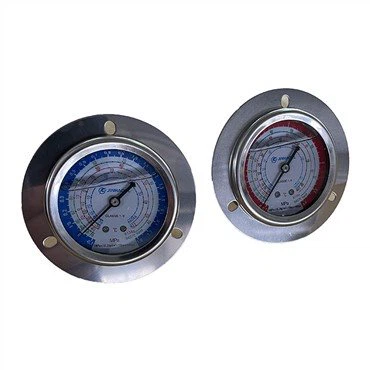
Valve Malfunction - related Pressure Spikes: If the valve fails to open or close smoothly, it can cause sudden pressure spikes in the system. These pressure spikes can damage pipes, fittings, and other components. Installing an Oil Gauge can help you monitor the pressure in the system and detect any abnormal fluctuations.
Importance of Addressing Faulty Stop Valves
Ignoring the signs of a faulty stop valve can have serious consequences. Leakage can lead to water damage, mold growth, and increased utility costs. Difficulty in opening or closing the valve can make it challenging to control the flow of fluids in an emergency situation. Unusual noises and pressure fluctuations can indicate more severe problems that may require costly repairs or replacements.
As a stop valve supplier, I understand the importance of providing high - quality valves and ensuring that they are properly maintained. If you are experiencing any of the signs mentioned above, it's important to take action promptly. You can contact us to discuss your stop valve issues and explore the best solutions for your needs. Our team of experts can provide you with advice on valve selection, installation, and maintenance. Whether you need a new stop valve or replacement parts, we are here to help you keep your systems running smoothly.
If you are interested in purchasing stop valves or related spare parts, please feel free to contact us for more information and to start a procurement discussion. We are committed to providing you with the best products and services to meet your requirements.


References
- ASME B16.34 - 2017, "Valves - Flanged, Threaded, and Welded End"
- ISO 5208 - 2015, "Industrial valves - Pressure testing of valves"
- NFPA 13 - 2022, "Standard for the Installation of Sprinkler Systems"