Troubleshooting a Rotalock Valve is an essential skill for anyone working with refrigeration and air - conditioning systems. As a Rotalock Valve supplier, I've encountered various issues related to these valves over the years. In this blog, I'll share some comprehensive steps on how to troubleshoot a Rotalock Valve effectively.
Understanding the Rotalock Valve
Before we start troubleshooting, it's important to understand what a Rotalock Valve is. Rotalock Valves are widely used in refrigeration and air - conditioning systems. They are designed to provide a reliable and leak - free connection between different components of the system. These valves consist of a body, a stem, a seat, and a locking mechanism. The locking mechanism allows for easy installation and removal without the need for brazing in many cases.
Common Symptoms and Possible Causes
1. Leakage
- Symptoms: You may notice refrigerant hissing sounds around the valve or see oil stains near the valve connections. Refrigerant leakage is a serious issue as it can lead to reduced system efficiency and environmental concerns.
- Possible Causes: Damaged O - rings are a common culprit. Over time, the O - rings can wear out due to constant exposure to refrigerant and temperature changes. Loose locking nuts can also cause leakage. If the nuts are not tightened properly during installation or maintenance, refrigerant can escape through the gaps.
2. Difficulty in Operation
- Symptoms: The valve may be hard to turn or may not turn at all. This can prevent proper control of the refrigerant flow in the system.
- Possible Causes: Stem binding can occur if there is debris or dirt inside the valve. Corrosion of the valve components can also make the stem difficult to move. In some cases, improper lubrication of the stem can lead to increased friction.
3. Incorrect Refrigerant Flow
- Symptoms: The system may not cool or heat as effectively as it should. This can be due to either restricted or excessive refrigerant flow through the valve.
- Possible Causes: A clogged valve seat can restrict the flow of refrigerant. Debris or contaminants in the refrigerant can accumulate on the seat, blocking the passage. On the other hand, a worn - out seat may allow for excessive refrigerant flow.
Troubleshooting Steps
Step 1: Visual Inspection
- Check for Leakage: Look for any signs of refrigerant leakage around the valve. As mentioned earlier, oil stains or hissing sounds are good indicators. If you suspect a leak, you can use a refrigerant leak detector for a more accurate diagnosis.
- Inspect the Locking Nuts: Ensure that the locking nuts are tightened properly. If they are loose, use an appropriate wrench to tighten them. However, be careful not to over - tighten as this can damage the valve or the O - rings.
- Examine the Valve Body: Look for any visible signs of damage such as cracks or dents. A damaged valve body can affect the performance of the valve and may need to be replaced.
Step 2: Cleaning the Valve
- Remove Debris: If you suspect that debris is causing the problem, you can try cleaning the valve. First, isolate the valve from the system and relieve the pressure. Then, carefully disassemble the valve (following the manufacturer's instructions). Use a suitable cleaning agent to remove any dirt or debris from the valve components, including the stem, seat, and body.
- Clean the O - rings: Gently clean the O - rings with a soft cloth. If they are damaged or worn, replace them with new ones. Make sure to use O - rings that are compatible with the refrigerant and the operating conditions of the system.
Step 3: Lubrication
- Apply Lubricant: Lubricate the stem of the valve with a suitable lubricant. This will reduce friction and make the valve easier to operate. However, use only lubricants that are recommended by the valve manufacturer. Some lubricants may react with the refrigerant or damage the valve components.
Step 4: Testing the Valve
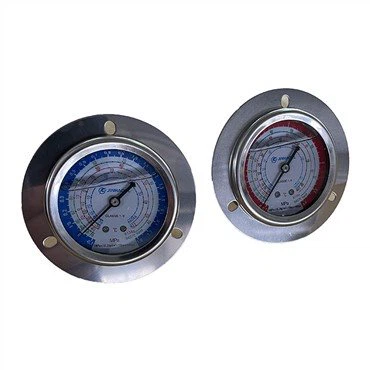
- Functionality Test: After cleaning and lubricating the valve, reassemble it and test its functionality. Try turning the valve to ensure that it moves smoothly. You can also check the refrigerant flow by monitoring the system's performance. If possible, use pressure gauges to measure the pressure before and after the valve to ensure that it is operating within the normal range.
Related Components and Their Impact
It's important to note that the performance of the Rotalock Valve can be affected by other components in the system. For example, a Liquid Distributor that is not functioning properly can cause uneven refrigerant distribution, which may put additional stress on the Rotalock Valve. Similarly, Sight Glasses can provide valuable information about the refrigerant flow and the presence of any contaminants. If the sight glass shows bubbles or an abnormal color, it may indicate a problem with the refrigerant or the valve. Oil Gauge can also help in diagnosing issues related to the lubrication of the system, which indirectly affects the valve's performance.
When to Replace the Valve
- Severe Damage: If the valve body is cracked or severely damaged, it should be replaced. A damaged valve body can no longer provide a reliable seal and can lead to significant refrigerant leakage.
- Repeated Problems: If you have tried all the troubleshooting steps and the valve still does not work properly, it may be time to replace it. Continuing to use a faulty valve can cause further damage to the system and may result in higher repair costs in the long run.
Conclusion
Troubleshooting a Rotalock Valve requires a systematic approach and a good understanding of the valve's operation and the refrigeration system as a whole. By following the steps outlined in this blog, you can effectively diagnose and fix many common problems associated with Rotalock Valves.


If you are facing any issues with Rotalock Valves or are in need of high - quality Rotalock Valves and related components, feel free to contact us for procurement and further discussion. Our team of experts is always ready to assist you in finding the best solutions for your refrigeration and air - conditioning needs.
References
- ASHRAE Handbook of Refrigeration.
- Manufacturer's manuals for Rotalock Valves.