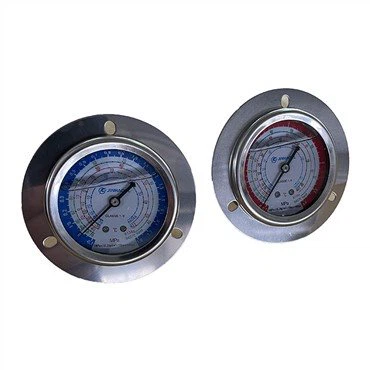
When it comes to installing a cold room air cooler, there are several crucial requirements that need to be carefully considered. As a reputable Cold Room Air Cooler supplier, I've had the privilege of working on numerous installation projects and understanding the ins and outs of what makes a successful setup. In this blog, I'll delve into the key installation requirements to ensure that your cold room operates efficiently and effectively.
1. Location Selection
The first step in installing a cold room air cooler is choosing the right location. The location should be well-ventilated to allow for proper air circulation. Poor ventilation can lead to the buildup of heat and moisture, which can reduce the efficiency of the air cooler and potentially damage the equipment. It's recommended to place the air cooler in an area where there is at least a few feet of clearance on all sides.
Moreover, the location should be away from direct sunlight and heat sources. Sunlight can heat up the air cooler and force it to work harder to maintain the desired temperature. Heat sources such as furnaces, ovens, or other industrial equipment can also have a similar effect. By placing the air cooler in a shaded and cool area, you can significantly improve its performance and lifespan.
Another important aspect is the proximity to the cold room itself. The air cooler should be installed as close as possible to the cold room to minimize the length of the refrigerant lines. Longer refrigerant lines can result in higher pressure drops and reduced efficiency. Additionally, the installation site should be level to ensure that the air cooler operates smoothly and doesn't vibrate excessively.
2. Electrical Requirements
Proper electrical installation is vital for the safe and efficient operation of a cold room air cooler. First and foremost, you need to ensure that the electrical supply matches the specifications of the air cooler. This includes the voltage, frequency, and phase requirements. Most cold room air coolers are designed to operate on a specific voltage, and using an incorrect voltage can damage the equipment or cause it to malfunction.
It's also essential to have a dedicated electrical circuit for the air cooler. This means that the circuit should not be shared with other high - power appliances or equipment. A dedicated circuit helps to prevent overloading and ensures a stable power supply. Additionally, the electrical wiring should be of the appropriate gauge to handle the current draw of the air cooler. Undersized wiring can lead to overheating and pose a fire hazard.
Furthermore, a proper grounding system is required. Grounding protects the equipment and the users from electrical shocks in case of a short circuit. The grounding conductor should be connected to a reliable ground source, such as a grounding rod or a building's grounding system.
3. Refrigerant System Installation
The refrigerant system is the heart of a cold room air cooler. Proper installation of the refrigerant lines is crucial for the efficient transfer of heat. The refrigerant lines should be installed with the correct slope to ensure proper oil return. In a refrigeration system, oil is mixed with the refrigerant to lubricate the compressor. If the refrigerant lines are not sloped correctly, the oil may accumulate in certain areas, leading to compressor failure.
The refrigerant lines should also be insulated to prevent heat gain. Insulation helps to maintain the low temperature of the refrigerant as it travels through the lines. This reduces the workload on the compressor and improves the overall efficiency of the system. High - quality insulation materials, such as closed - cell foam insulation, are recommended.
When connecting the refrigerant lines, it's important to use proper fittings and ensure leak - tight connections. Refrigerant leaks can not only reduce the efficiency of the system but also have a negative impact on the environment, as many refrigerants are potent greenhouse gases. After the installation, a pressure test should be conducted to check for any leaks in the refrigerant system.
4. Mounting and Support
The cold room air cooler needs to be securely mounted to prevent movement and vibration. Depending on the type and size of the air cooler, different mounting methods may be used. For smaller air coolers, wall - mounting may be sufficient. However, for larger units, floor - mounting or ceiling - mounting may be required.
Regardless of the mounting method, the support structure should be strong enough to bear the weight of the air cooler. The mounting brackets or supports should be made of durable materials, such as steel or aluminum. They should also be properly installed and fastened to the wall, floor, or ceiling.
Vibration isolation is also an important consideration. Excessive vibration can not only cause noise but also damage the equipment over time. Rubber vibration isolators can be used to reduce the transmission of vibrations from the air cooler to the mounting structure.


5. Air Ducting and Ventilation
Proper air ducting is essential for distributing the cooled air evenly throughout the cold room. The air ducts should be designed and installed to minimize air resistance. This means that the ducts should have smooth interior surfaces and appropriate diameters. Sharp bends and narrow passages in the ducts can cause significant pressure drops and reduce the airflow.
The air intake and outlet of the air cooler should be connected to the air ducts in a way that ensures proper airflow. The air intake should be located in a clean area to prevent the intake of dust and debris, which can clog the filters and reduce the efficiency of the air cooler. The air outlet should be directed towards the areas that require cooling in the cold room.
In addition to the air ducts, proper ventilation is required to remove the heat and moisture generated by the air cooler. Exhaust vents should be installed to allow the warm air to escape from the cold room. This helps to maintain a stable temperature and humidity level inside the cold room.
6. Safety and Regulatory Compliance
When installing a cold room air cooler, it's important to comply with all relevant safety and regulatory requirements. This includes local building codes, electrical codes, and environmental regulations. For example, in some areas, there may be specific requirements for the installation of refrigeration systems to prevent refrigerant leaks and protect the environment.
The installation should also meet safety standards to protect the users and the equipment. This may include the installation of safety guards around moving parts, such as fans and belts. Additionally, the air cooler should be equipped with safety devices, such as overload protectors and pressure switches, to prevent damage to the equipment in case of abnormal operating conditions.
7. Commissioning and Testing
After the installation is complete, a thorough commissioning and testing process is required. This includes checking the refrigerant charge, adjusting the controls, and testing the operation of the air cooler. The refrigerant charge should be within the manufacturer's recommended range. Too much or too little refrigerant can affect the performance of the system.
The controls of the air cooler, such as the temperature controller and the defrost timer, should be properly adjusted to ensure that the cold room maintains the desired temperature. The defrost cycle is an important part of the operation of a cold room air cooler. During the defrost cycle, the frost that accumulates on the evaporator coils is melted to maintain the efficiency of the heat transfer.
Finally, the overall operation of the air cooler should be tested to ensure that it is functioning properly. This includes checking the airflow, the temperature distribution in the cold room, and the noise level. Any issues identified during the testing process should be addressed immediately to ensure the reliable operation of the cold room air cooler.
In conclusion, installing a cold room air cooler requires careful planning and attention to detail. By meeting the location, electrical, refrigerant system, mounting, air ducting, safety, and commissioning requirements, you can ensure that your cold room air cooler operates efficiently and effectively. As a [Your Company Type] Cold Room Air Cooler supplier, we are committed to providing high - quality products and professional installation services. If you are interested in purchasing a cold room air cooler or need assistance with installation, please feel free to contact us for further discussion and procurement negotiation.
For more information about related products, you can visit the following links:
Cool Room Evaporator
Evaporator In Refrigeration System
Cold Storage Evaporator
References
- ASHRAE Handbook - Refrigeration. American Society of Heating, Refrigerating and Air - Conditioning Engineers.
- Refrigeration and Air Conditioning Technology, 8th Edition by William C. Whitman, William M. Johnson, and John Tomczyk.