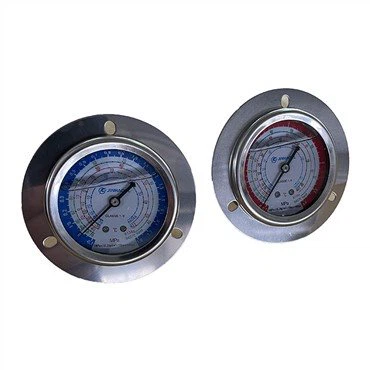
Sight glasses are crucial components in various industrial and refrigeration systems. They provide a visual indication of the fluid flow, the presence of contaminants, and the overall condition of the system. As a sight glasses supplier, I often get asked about how often these sight glasses should be inspected. In this blog, I'll share my insights on this topic based on industry standards and practical experience.
Why Inspection Matters
Before diving into the inspection frequency, let's understand why it's so important to inspect sight glasses regularly. Sight glasses act as windows into your system. They allow you to monitor the flow of liquids or gases, check for the presence of air bubbles, debris, or discoloration. Any changes in what you see through the sight glass can be an early warning sign of potential problems in the system.
For example, in a refrigeration system, a sight glass can help you determine if there's enough refrigerant in the system. If you see a lot of bubbles, it could mean that the refrigerant level is low. In an industrial process, sight glasses can help detect the presence of contaminants in the fluid, which could damage the equipment downstream.
Factors Affecting Inspection Frequency
The frequency of sight glass inspections can vary depending on several factors. Here are some of the key factors to consider:
1. Application
The type of application plays a significant role in determining how often sight glasses should be inspected. In a high - risk or critical application, such as a nuclear power plant or a pharmaceutical manufacturing process, sight glasses may need to be inspected daily or even more frequently. On the other hand, in a less critical application like a small - scale water treatment system, inspections might be done on a monthly or quarterly basis.
2. Operating Conditions
The operating conditions of the system also affect the inspection frequency. If the system operates under extreme conditions, such as high pressure, high temperature, or corrosive environments, the sight glass is more likely to degrade or get damaged. In such cases, more frequent inspections are necessary. For instance, in a chemical processing plant where the fluids are highly corrosive, sight glasses may need to be inspected weekly to ensure their integrity.


3. Fluid Type
The type of fluid flowing through the sight glass can impact its inspection schedule. Some fluids are more abrasive or reactive than others. For example, if the fluid contains solid particles, it can cause scratches on the sight glass over time, reducing its visibility. In such cases, inspections should be carried out more often to detect any signs of wear and tear.
General Inspection Guidelines
Based on industry best practices, here are some general guidelines for sight glass inspection frequencies:
1. Low - Risk Applications
In low - risk applications where the system operates under normal conditions and the fluid is relatively benign, a quarterly inspection is usually sufficient. During these inspections, you should check the sight glass for cracks, scratches, and any signs of leakage. You should also clean the sight glass to ensure clear visibility.
2. Medium - Risk Applications
For medium - risk applications, such as commercial refrigeration systems or small - scale industrial processes, monthly inspections are recommended. In addition to checking for physical damage and leakage, you should also look for any changes in the appearance of the fluid, such as the presence of bubbles, debris, or discoloration.
3. High - Risk Applications
In high - risk applications, daily or even multiple - times - a - day inspections may be required. These applications typically involve critical processes where any failure could have serious consequences. For example, in a large - scale refrigeration system for a food storage facility, continuous monitoring of the sight glass may be necessary to ensure the proper functioning of the system and the safety of the stored products.
How to Conduct an Inspection
When inspecting a sight glass, here are the steps you should follow:
1. Visual Inspection
Start by visually examining the sight glass for any obvious signs of damage, such as cracks, chips, or scratches. Check the seals around the sight glass for any signs of leakage. If you notice any damage or leakage, the sight glass should be replaced immediately.
2. Fluid Inspection
Look through the sight glass to observe the fluid. Check for the presence of air bubbles, which could indicate a problem with the fluid level or the system's pressure. Look for any debris or contaminants in the fluid. If you see any discoloration in the fluid, it could be a sign of chemical reactions or contamination.
3. Cleaning
If the sight glass is dirty or has a build - up of residue, clean it using a suitable cleaning agent. Make sure to follow the manufacturer's instructions for cleaning to avoid damaging the sight glass.
Importance of Regular Maintenance
Regular inspections are just one part of the equation. Proper maintenance of sight glasses is also essential to ensure their long - term performance. This includes cleaning the sight glass regularly, replacing worn - out seals, and checking the mounting hardware for tightness.
If you're using Sight Glasses in your system, it's important to source them from a reliable supplier. As a sight glasses supplier, I can attest to the fact that high - quality sight glasses are more durable and less likely to require frequent replacements.
Related Components and Their Inspection
Sight glasses are often part of a larger system that includes other components such as Rotalock Valve and Oil Gauge. These components also need to be inspected regularly.
Rotalock valves are used to control the flow of fluids in a system. They should be inspected for proper operation, such as smooth opening and closing, and for any signs of leakage. Oil gauges, on the other hand, are used to measure the oil level in a system. Regular inspection of oil gauges ensures accurate readings and helps prevent equipment damage due to low oil levels.
Conclusion
In conclusion, the frequency of sight glass inspections depends on various factors such as the application, operating conditions, and fluid type. By following the general guidelines mentioned above and conducting regular inspections and maintenance, you can ensure the proper functioning of your sight glasses and the overall system.
If you're in the market for high - quality sight glasses, Rotalock Valve, or Oil Gauge, I'm here to help. As a sight glasses supplier, I have a wide range of products to meet your needs. Contact me if you want to discuss your requirements and explore the best options for your system.
References
- Industrial Equipment Maintenance Handbook
- Refrigeration System Best Practices Guide
- Chemical Processing Plant Safety Manual