Yo! I'm a supplier of Water Cooled Chillers, and today I wanna chat with you about how to maintain the evaporator in a water cooled chiller. It's super important 'cause a well - maintained evaporator can keep your chiller running smoothly and save you a ton of money in the long run.
Let's start with the basics. The evaporator in a water cooled chiller is where the magic happens. It's the part that absorbs heat from the water, cooling it down so it can be used for whatever cooling needs you have, whether it's for an industrial process or in a commercial building.
Regular Inspections
First off, you gotta do regular inspections. This means checking the evaporator at least once a month. Look for any signs of physical damage, like cracks, dents, or leaks. A small leak can turn into a big problem real fast, leading to refrigerant loss and reduced cooling efficiency.
If you spot any damage, don't try to fix it yourself unless you're a pro. Call in a qualified technician right away. They'll know how to handle the repair properly and make sure everything is back in working order.
While you're inspecting, also take a look at the fins. The fins on the evaporator are there to increase the surface area for heat transfer. But sometimes, they can get bent or dirty. You can use a fin comb to straighten out any bent fins gently. And if they're dirty, a soft brush can help you clean off the dust and debris.
Cleaning the Evaporator
Cleaning the evaporator is a crucial step in maintenance. Over time, dirt, dust, and other contaminants can build up on the evaporator tubes and fins. This buildup acts as an insulator, reducing the efficiency of heat transfer.


You can use a non - corrosive cleaning solution to clean the evaporator. First, turn off the chiller and make sure it's completely shut down. Then, spray the cleaning solution onto the evaporator. Let it sit for a few minutes to break down the dirt and grime. After that, use a low - pressure water spray to rinse off the cleaner.
Be careful not to use too much pressure when rinsing, as it can damage the fins. Make sure you're rinsing from top to bottom and cover all the areas of the evaporator.
Checking the Water Quality
The quality of the water flowing through the evaporator is also really important. If the water has a high level of minerals, like calcium and magnesium, it can cause scaling on the evaporator tubes. Scaling is a hard, crusty deposit that can block the flow of water and reduce heat transfer efficiency.
To prevent scaling, you should install a water treatment system. There are different types available, like water softeners and chemical treatment systems. A water softener removes the minerals from the water, while chemical treatment systems use additives to prevent the formation of scale.
You should also test the water regularly to monitor the pH level and the concentration of minerals. Aim to keep the pH level between 6.5 and 7.5. If the pH is too high or too low, it can cause corrosion in the evaporator.
Monitoring the Refrigerant Level
The refrigerant in the evaporator is what absorbs the heat from the water. If the refrigerant level is too low, the evaporator won't work properly. You might notice that the chiller isn't cooling as effectively as it used to.
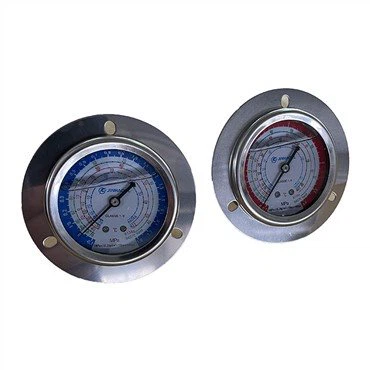
You can use a pressure gauge to check the refrigerant pressure, which can give you an idea of the refrigerant level. If you find that the pressure is lower than normal, it could mean there's a refrigerant leak. As I mentioned before, if you suspect a leak, call a technician. They have the tools and knowledge to find and fix the leak, and then recharge the refrigerant to the correct level.
Lubricating Moving Parts
Some evaporators have moving parts, like fans or pumps. These parts need to be lubricated regularly to reduce friction and prevent wear and tear. Check the manufacturer's recommendations for the type of lubricant to use and how often to apply it.
When lubricating, make sure you apply the right amount. Too much lubricant can attract dirt and debris, while too little won't provide enough protection for the moving parts.
Importance of Maintenance
Maintaining the evaporator in your water cooled chiller isn't just about keeping it running well. It's also about cost - effectiveness. A well - maintained evaporator will use less energy, which means lower electricity bills. It'll also have a longer lifespan, so you won't have to replace it as often.
Moreover, proper maintenance can prevent costly breakdowns. A breakdown can disrupt your operations and cost you a fortune in repairs and lost productivity. So, taking a little time to maintain your evaporator can save you a lot of headaches and money in the long term.
Our Water Cooled Chillers
As a Water Cooled Chiller supplier, we offer a range of high - quality products. Check out our Compact Water-Cooled Scroll Chiller Unit | Small Capacity Cooling Solution for a small - capacity option that's efficient and reliable. If you need something bigger, our Water Cooled Water Chiller can handle larger cooling loads. And for industrial high - capacity needs, our Three Screw Compressor Condensing Unit | Industrial High-Capacity Refrigeration System is the way to go.
If you're interested in our products or have any questions about chiller maintenance, don't hesitate to reach out. We're here to help you make the best choice for your cooling needs and ensure you get the most out of your equipment.
References
- ASHRAE Handbook of Refrigeration
- Manufacturer's manuals for water cooled chillers
- Industry best practices for chiller maintenance