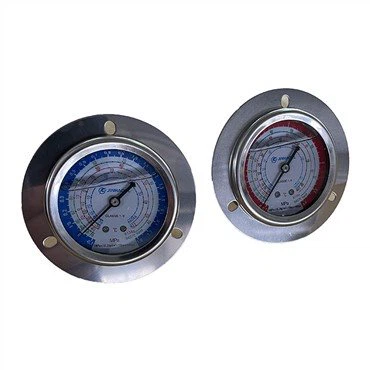
Determining the right size of cold storage cooler for a small business is a crucial decision that can significantly impact operational efficiency, cost management, and product quality. As a trusted cold storage cooler supplier, I understand the challenges small business owners face in making this choice. In this blog post, I'll guide you through the key factors to consider when selecting the appropriate cooler size for your small business.
1. Assess Your Storage Needs
The first step in determining the size of your cold storage cooler is to evaluate your current and future storage requirements. Consider the type of products you need to store, their volume, and how they are packaged. For instance, if you're running a small grocery store, you'll need to account for the storage of fresh produce, dairy products, and frozen goods. These items come in various sizes and quantities, and you'll need a cooler that can accommodate them all.
Make a detailed inventory of your products, including their dimensions, weight, and storage temperature requirements. This will give you a clear picture of the space you need. Also, think about your business growth projections. If you plan to expand your product line or increase your inventory in the coming months or years, it's wise to choose a cooler with some extra capacity to avoid having to upgrade prematurely.
2. Consider the Available Space
The physical space in your business premises is another critical factor. You need to ensure that the cooler you choose fits comfortably in the designated area. Measure the available space carefully, taking into account not only the length, width, and height but also any obstacles such as columns, doors, or ventilation systems that could affect the installation and operation of the cooler.
Keep in mind that you'll also need some clearance around the cooler for proper ventilation and maintenance. A general rule of thumb is to leave at least 6 - 12 inches of space on all sides of the cooler. If you have limited space, you might want to consider a vertical or compact cooler design that can maximize storage capacity within a smaller footprint. For example, our Floor - standing Type Air Cooler is an excellent option for businesses with space constraints. It offers efficient cooling in a relatively small space and can be easily integrated into your existing setup.
3. Analyze the Cooling Capacity
The cooling capacity of a cold storage cooler is measured in British Thermal Units (BTUs) per hour. This indicates how much heat the cooler can remove from the storage area in an hour. To determine the appropriate cooling capacity for your small business, you need to consider several factors, including the size of the cooler, the insulation quality, the number of times the door is opened, and the ambient temperature of the surrounding area.
A cooler with insufficient cooling capacity will struggle to maintain the desired temperature, leading to potential spoilage of your products. On the other hand, an oversized cooler will consume more energy than necessary, resulting in higher operating costs. As a rough estimate, for every square foot of storage space, you'll need around 20 - 40 BTUs per hour for light - duty applications (such as storing beverages) and 40 - 60 BTUs per hour for heavy - duty applications (such as storing fresh meat).
Our Evaporator System is designed to provide efficient and reliable cooling. It works in conjunction with the condenser to remove heat from the storage area, ensuring that your products are kept at the optimal temperature. The Evaporator Condenser plays a crucial role in this process by releasing the heat absorbed by the evaporator to the outside environment.
4. Evaluate the Energy Efficiency
Energy costs can be a significant expense for small businesses, especially when it comes to running a cold storage cooler. Therefore, it's essential to choose a cooler that is energy - efficient. Look for coolers with high - efficiency compressors, good insulation, and advanced control systems. These features can help reduce energy consumption and lower your operating costs over the long term.
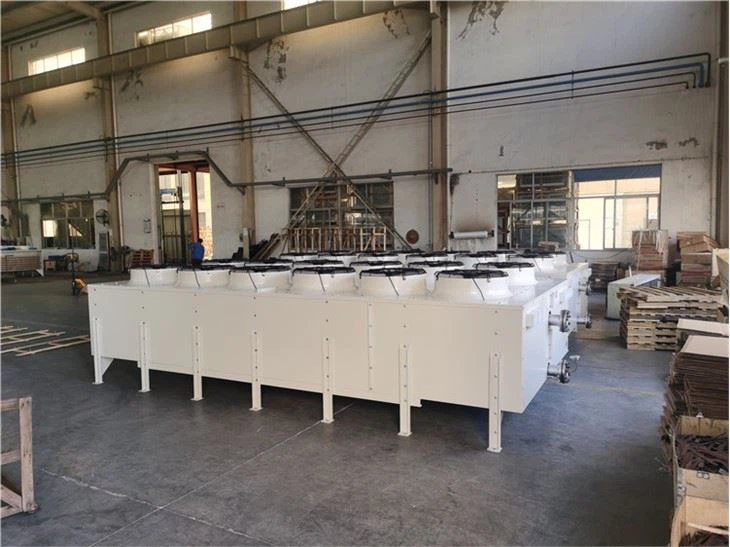

Many modern cold storage coolers are equipped with energy - saving technologies such as variable - speed compressors, which adjust the cooling output based on the actual demand. This means that the cooler consumes less energy when the load is light and ramps up when more cooling is required. Additionally, proper insulation can prevent heat transfer from the outside, reducing the workload on the cooling system.
5. Think About Accessibility and Organization
The layout and design of the cooler can also affect its usability. You want a cooler that allows for easy access to your products, making it convenient for your staff to restock and retrieve items. Consider features such as adjustable shelves, drawers, and compartments that can help you organize your inventory effectively.
A well - organized cooler not only improves efficiency but also reduces the risk of product damage and spoilage. For example, if your products are stacked haphazardly, it can be difficult to see and reach the items at the back, increasing the chances of them being forgotten and going bad.
6. Consider the Budget
Of course, your budget is an important consideration. Cold storage coolers come in a wide range of prices, depending on their size, features, and brand. While it's tempting to go for the cheapest option, it's important to remember that quality and reliability are also crucial. A low - cost cooler may end up costing you more in the long run due to frequent repairs, high energy consumption, or poor performance.
When setting your budget, consider the total cost of ownership, which includes the purchase price, installation costs, energy costs, and maintenance costs. Look for a cooler that offers a good balance between price and performance. Our team can work with you to find a solution that meets your budget requirements without compromising on quality.
Conclusion
Choosing the right size of cold storage cooler for your small business is a complex but essential decision. By considering factors such as your storage needs, available space, cooling capacity, energy efficiency, accessibility, and budget, you can make an informed choice that will serve your business well in the long term.
As a cold storage cooler supplier, we have a wide range of products to meet the diverse needs of small businesses. Whether you need a small, compact cooler for a convenience store or a large, industrial - grade cooler for a food processing facility, we can provide you with the right solution.
If you're still unsure about which cooler size is right for your business, or if you have any other questions about our products, don't hesitate to reach out. Our experienced team is here to assist you every step of the way. Contact us today to start the conversation and find the perfect cold storage cooler for your small business.
References
- ASHRAE Handbook of Refrigeration. American Society of Heating, Refrigerating and Air - Conditioning Engineers.
- Food Safety and Inspection Service. Guidelines for Cold Storage of Food Products. United States Department of Agriculture.