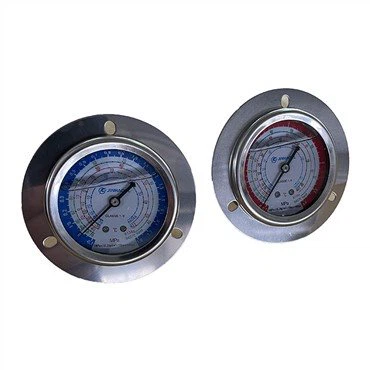
Hey there! As an oil gauge supplier, I've seen firsthand how important it is to keep your oil gauges in top - notch condition. In this blog, I'm gonna break down what kind of maintenance an oil gauge requires. So, let's dive right in!
Understanding the Basics of an Oil Gauge
First things first, what exactly is an oil gauge? Well, it's a crucial device that measures the oil pressure in an engine or a system. It gives you a clear idea of whether your oil is flowing properly and at the right pressure. This is super important because if the oil pressure is too low, your engine parts won't get enough lubrication, which can lead to serious damage. On the other hand, if the pressure is too high, it could mean there's a blockage or some other issue.
You can check out more about Oil Gauge on our website. It's got all the details about the different types of oil gauges we offer and how they work.
Regular Visual Inspections
One of the simplest yet most effective maintenance tasks for an oil gauge is regular visual inspections. You should take a good look at your oil gauge at least once a month, or more often if you're using your equipment a lot.
Check for any signs of physical damage. Look for cracks in the gauge face, loose connections, or any signs of corrosion. If you see a crack in the gauge face, it's a big red flag. Moisture and dirt can get inside the gauge, which can mess up the readings and eventually cause the gauge to fail.
Also, make sure the connections are tight. Loose connections can lead to inaccurate readings. You don't want to be relying on a gauge that's giving you false information, right?
Cleaning the Oil Gauge
Cleaning your oil gauge is another important part of maintenance. Over time, dirt, dust, and oil residue can build up on the gauge, which can affect its performance.
To clean the gauge, start by turning off the power to the system. This is a safety precaution to prevent any electrical shocks. Then, use a soft, dry cloth to gently wipe the gauge face. If there's some stubborn dirt or oil, you can dampen the cloth slightly with a mild cleaning solution. But make sure the solution is safe for the gauge materials.
Don't use abrasive materials or harsh chemicals, as they can scratch the gauge face or damage the internal components. After cleaning, let the gauge dry completely before turning the power back on.


Calibration Checks
Calibration is a key aspect of oil gauge maintenance. An oil gauge needs to be accurately calibrated to give you reliable readings. Over time, the gauge can lose its calibration due to factors like vibration, temperature changes, and normal wear and tear.
You should have your oil gauge calibrated at least once a year. If you're using the gauge in a high - precision application or in a harsh environment, you might need to calibrate it more often.
Calibration involves comparing the readings of your oil gauge with a known standard. If the readings are off, the gauge needs to be adjusted. This is a job for a professional, as it requires specialized equipment and knowledge.
Checking the Oil Lines
The oil lines connected to the oil gauge also need to be maintained. These lines carry the oil to the gauge, and any blockages or leaks can affect the gauge's performance.
Inspect the oil lines regularly for signs of leaks. Look for oil stains around the connections or along the length of the lines. If you find a leak, it needs to be fixed immediately. A small leak can turn into a big problem if left untreated.
Also, check for any blockages in the oil lines. A blockage can prevent the oil from flowing properly to the gauge, resulting in inaccurate readings. You can use a pressure test to check for blockages. If you suspect a blockage, it's best to consult a professional to clear it safely.
Compatibility with Other Components
Your oil gauge doesn't work in isolation. It's part of a larger system that includes other components like Liquid Distributor and Rotalock Valve.
Make sure your oil gauge is compatible with these other components. Incompatible components can cause problems like pressure imbalances, which can affect the performance of the oil gauge and the entire system.
When installing or replacing an oil gauge, always check the specifications to ensure it's a good fit for your system. If you're not sure, our team of experts can help you make the right choice.
Storage and Handling
Proper storage and handling of your oil gauge are also important for its long - term maintenance. When you're not using the gauge, store it in a clean, dry place. Avoid storing it in areas with high humidity or extreme temperatures, as these conditions can damage the gauge.
When handling the gauge, be gentle. Don't drop it or subject it to rough treatment. The internal components of the gauge are delicate, and a single impact can cause them to malfunction.
Training and Education
If you have a team of operators using the equipment with the oil gauge, it's important to provide them with proper training and education. They should know how to read the gauge correctly, perform basic maintenance tasks, and recognize when there's a problem.
A well - trained operator can spot issues early on, which can save you a lot of time and money in the long run. We offer training resources and support to help you ensure that your team is well - equipped to handle the oil gauge and the associated equipment.
Conclusion
Maintaining an oil gauge is not a complicated task, but it does require regular attention. By following these maintenance tips, you can ensure that your oil gauge lasts a long time and provides accurate readings.
If you're in the market for a new oil gauge or need help with maintenance, don't hesitate to reach out. We're here to provide you with the best products and support. Whether you have questions about installation, calibration, or compatibility, our team of experts is just a message away. Let's work together to keep your systems running smoothly!
References
- "Maintenance Guide for Industrial Gauges", Industry Standards Publication
- "Oil Gauge Technology and Applications", Technical Journal