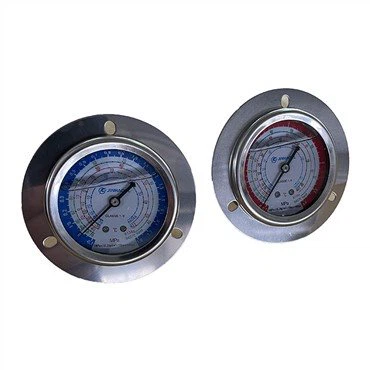
Hey there! As a supplier of water cooled chillers, I often get asked about the water quality required for these machines. It's a super important topic because the right water quality can significantly impact the performance, efficiency, and lifespan of a water cooled chiller. So, let's dive right into it!
Why Water Quality Matters
First off, why does water quality matter so much for water cooled chillers? Well, the water in these systems plays a crucial role in transferring heat. If the water is full of impurities, it can lead to a bunch of problems. For example, scale deposition can occur when there are high levels of dissolved minerals in the water. This scale acts as an insulator, reducing the chiller's heat transfer efficiency. As a result, the chiller has to work harder to achieve the same cooling effect, which means higher energy consumption and more wear and tear on the equipment.
Corrosion is another big issue. Water with a high level of acidity or alkalinity can cause the metal components in the chiller to corrode over time. This not only damages the chiller but can also lead to leaks and other serious malfunctions. Bacteria and other microorganisms in the water can also clog the pipes and cooling coils, further reducing the chiller's performance.
Key Water Quality Parameters
1. pH Level
The pH level is a measure of how acidic or alkaline the water is. For water cooled chillers, the ideal pH range is usually between 6.5 and 8.5. Water that is too acidic (pH below 6.5) can corrode the metal parts of the chiller, while water that is too alkaline (pH above 8.5) can cause scale formation. You can use a simple pH test kit to check the pH level of the water regularly. If the pH is out of the ideal range, you can adjust it using chemicals such as acid or base additives.
2. Total Dissolved Solids (TDS)
Total Dissolved Solids refer to the amount of inorganic and organic substances dissolved in the water. High TDS levels can lead to scale formation and increased corrosion. For water cooled chillers, the TDS level should ideally be kept below 1000 ppm (parts per million). You can measure the TDS level using a TDS meter. If the TDS level is too high, you may need to use a water treatment system such as a reverse osmosis unit to remove the excess dissolved solids.
3. Hardness
Water hardness is caused by the presence of calcium and magnesium ions in the water. Hard water can cause scale formation on the heat exchangers and other components of the chiller. The recommended hardness level for water cooled chillers is usually less than 100 ppm (as calcium carbonate). You can use a water softener to reduce the hardness of the water if it is too high.
4. Microbiological Contamination
Bacteria, fungi, and algae can grow in the water of a chiller system, especially in warm and stagnant conditions. These microorganisms can form slimy biofilms on the heat exchangers and pipes, which can reduce heat transfer efficiency and cause clogging. To prevent microbiological contamination, it's important to regularly clean and disinfect the water in the chiller system. You can use biocides and other disinfectants to control the growth of microorganisms.
5. Suspended Solids
Suspended solids are tiny particles that are floating in the water. These particles can come from dirt, dust, and other sources. High levels of suspended solids can cause abrasion and clogging in the chiller system. The maximum allowable level of suspended solids in the water for a water cooled chiller is typically around 50 ppm. You can use a filtration system to remove the suspended solids from the water.
Maintaining the Right Water Quality
So, how can you maintain the right water quality for your water cooled chiller? Here are some tips:
- Regular testing: Test the water regularly for pH, TDS, hardness, microbiological contamination, and suspended solids. You can use test kits or send water samples to a laboratory for more accurate analysis.
- Water treatment: Based on the test results, treat the water as needed. This may involve adding chemicals to adjust the pH, using a water softener to reduce hardness, or using a filtration system to remove suspended solids.
- Cleaning and maintenance: Regularly clean the chiller system, including the heat exchangers, pipes, and cooling towers. This will help prevent the buildup of scale, biofilms, and other contaminants.
- Proper operation: Ensure that the chiller system is operated correctly. This includes maintaining the right water flow rate, temperature, and pressure.
The Impact of Good Water Quality on Chiller Performance
When you maintain the right water quality for your water cooled chiller, you can expect a number of benefits. First of all, the chiller will operate more efficiently. With less scale and corrosion, the heat transfer rate will be higher, which means the chiller can cool the water more effectively using less energy. This can lead to significant cost savings on your energy bills.
In addition, good water quality can extend the lifespan of the chiller. By reducing wear and tear on the components, the chiller is less likely to break down and require expensive repairs. It also means that you won't have to replace the chiller as often, which can save you a lot of money in the long run.
Our Water Cooled Chiller Products
At our company, we offer a range of high - quality water cooled chillers that are designed to work efficiently with properly treated water. Check out our High - Efficiency Screw Refrigeration Unit For Industrial Cooling. This unit is perfect for industrial cooling applications and is built to deliver reliable performance.
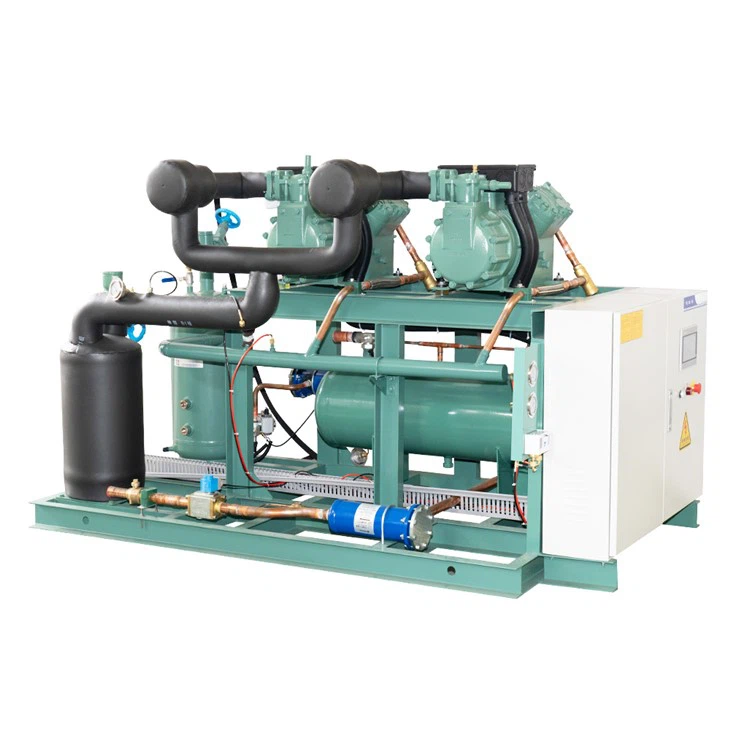

We also have the High - Performance Water Cooled Condensing Unit For Industrial & Commercial Refrigeration. It's suitable for a wide range of industrial and commercial refrigeration needs, and it can work wonders when paired with water of the right quality.
Another great option is our High - Efficiency Screw Refrigeration Unit With Semi - Hermetic Compressor For Industrial Cooling. This unit combines high efficiency with the reliability of a semi - hermetic compressor.
Contact Us for Purchasing
If you're in the market for a water cooled chiller or need more information about water quality requirements, feel free to reach out. We have a team of experts who can help you choose the right chiller for your needs and provide guidance on maintaining the proper water quality. Whether you're a small business or a large industrial operation, we've got the solutions for you.
References
- ASHRAE Handbook - HVAC Systems and Equipment.
- Water Quality Association Guidelines for Industrial Water Treatment.