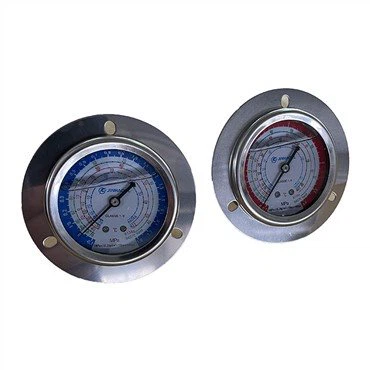
In the world of automotive and machinery maintenance, one small but mighty device plays a pivotal role in keeping engines running smoothly and preventing costly damage: the oil gauge. As an oil gauge supplier, I've seen firsthand how this simple instrument is crucial for engine health. Let's dive into what the oil gauge does and why it's so important.
Understanding the Basics of an Oil Gauge
First off, what exactly is an oil gauge? Well, it's like a little window into your engine's lubrication system. It measures the oil pressure within the engine and displays that information on your dashboard. You've probably noticed that little gauge with numbers or a needle when you're sitting in your car. That's the oil gauge at work.
Oil is the lifeblood of an engine. It lubricates the moving parts, reduces friction, and helps to keep the engine cool. Without proper lubrication, the metal parts in the engine would rub against each other, creating heat and causing wear and tear. This can lead to serious damage, like seized pistons or a blown engine. That's where the oil gauge comes in. It lets you know if the oil pressure is too low, which could be a sign of trouble.
How the Oil Gauge Prevents Engine Damage
The main way the oil gauge prevents engine damage is by giving you an early warning system. When the oil pressure drops below a certain level, the gauge will show it. This could be due to a few different reasons. Maybe there's a leak in the oil system, or the oil pump isn't working properly. It could also be that the oil level is too low.
If you see the oil gauge reading low, it's a red flag. You should pull over as soon as it's safe to do so and check the oil level. If it's low, you can add more oil. But if the low pressure persists even after adding oil, there could be a more serious problem. In this case, it's best to have the engine checked by a professional.
Ignoring a low oil pressure reading can be a recipe for disaster. As I mentioned earlier, without enough oil pressure, the engine's moving parts won't be properly lubricated. This can cause them to overheat and wear out quickly. In severe cases, it can lead to complete engine failure, which means a very expensive repair bill or even a new engine.
Real - World Examples
Let me share a couple of real - world scenarios to illustrate the importance of the oil gauge. I remember one customer who came to me complaining about engine problems. He had been driving his car for a while, and he noticed that the oil gauge was reading a bit low. But he thought it was just a glitch and kept driving. A few days later, his engine started making strange noises, and then it suddenly stopped working. When the mechanic opened up the engine, they found that the pistons were severely damaged due to lack of lubrication. All because he ignored the oil gauge.
On the other hand, I know someone who was more vigilant. They saw the oil gauge drop slightly while they were on a road trip. They pulled over immediately, checked the oil, and found that there was a small leak. They were able to add oil and get to a mechanic nearby. The mechanic fixed the leak, and the engine was saved from any major damage.
Other Related Components in the System
While the oil gauge is a key player, it works in tandem with other components in the engine's oil system. For example, Liquid Distributor is an important part in the overall fluid management system. It ensures that the oil is distributed evenly throughout the engine, so that all parts get the lubrication they need.
Another component is the Rotalock Valve. This valve helps control the flow of oil and ensures that it moves in the right direction within the system. It's like a traffic cop for the oil, making sure everything runs smoothly.


Sight Glasses are also useful. They allow you to visually inspect the oil for any signs of contamination or low levels. You can see if the oil is dirty or if there are any bubbles, which could indicate a problem.
Our Role as an Oil Gauge Supplier
As an oil gauge supplier, we're committed to providing high - quality gauges that are accurate and reliable. We understand that every engine is different, which is why we offer a range of gauges to suit various types of vehicles and machinery. Whether you have a small car, a big truck, or industrial equipment, we have the right oil gauge for you.
Our gauges are designed to be easy to install and read. We use the latest technology to ensure that the readings are precise, so you can trust them to give you an accurate picture of your engine's oil pressure. And if you have any questions or need help choosing the right gauge, our team of experts is always ready to assist you.
Encouraging Contact for Purchase
If you're in the market for a new oil gauge or want to learn more about our products, don't hesitate to reach out. Whether you're a mechanic, a car enthusiast, or a business owner with a fleet of vehicles, we have a solution for you. Our oil gauges can save you from expensive engine repairs and keep your engines running at their best. So, if you're ready to take the next step in protecting your engines, let's start a conversation. We're here to help you make the right choice for your needs.
References
- "Automotive Engine Design" by Klaus P. Heisler
- "Fundamentals of Vehicle Dynamics" by Thomas D. Gillespie
- Online automotive repair guides and forums for real - life case studies