Hey there! As a supplier of Air Handling Units (AHUs), I've seen firsthand how crucial every component is in ensuring these systems work at their best. One component that often doesn't get as much attention as it should is the humidifier. So, let's dive into what role a humidifier plays in an Air Handling Unit.
Why Humidity Matters in an AHU
First off, why do we even care about humidity in an AHU? Well, the air quality in a building depends a lot on its humidity levels. If the air is too dry, it can cause a whole bunch of problems. People might start to feel uncomfortable, with dry skin, irritated eyes, and scratchy throats. It can also lead to static electricity, which can be a real nuisance and even damage sensitive electronic equipment.
On the flip side, if the air is too humid, it becomes a breeding ground for mold, mildew, and dust mites. These can trigger allergies and respiratory problems, making the indoor environment unhealthy. That's where the AHU steps in, and the humidifier plays a key role in maintaining the right balance.
How a Humidifier Works in an AHU
A humidifier in an AHU is designed to add moisture to the air. There are different types of humidifiers, but the most common ones in AHUs are steam humidifiers and evaporative humidifiers.

Steam humidifiers work by heating water to produce steam, which is then injected into the air stream. This method is very precise and can quickly add moisture to the air. It's great for large commercial and industrial buildings where you need to control humidity levels accurately.
Evaporative humidifiers, on the other hand, use a wicking material to absorb water. As air passes through the wet wick, the water evaporates into the air, increasing its humidity. This type of humidifier is more energy - efficient and is often used in smaller buildings or in areas where a more gradual increase in humidity is needed.
Benefits of Having a Humidifier in an AHU
Improved Indoor Air Quality
By maintaining the right humidity levels, the humidifier helps to create a healthier indoor environment. It reduces the risk of respiratory problems and allergies, making the building a more comfortable place to live or work. For example, in an office building, employees are likely to be more productive when they're not suffering from dry air - related discomforts.
Protection of Equipment
Dry air can cause damage to sensitive equipment, such as computers and servers. The static electricity generated in dry conditions can short - circuit electronic components. A humidifier helps to prevent this by keeping the air at an optimal humidity level, protecting your valuable equipment.
Energy Efficiency
You might think that adding a humidifier would increase energy consumption, but in fact, it can do the opposite. When the air is more humid, people feel warmer at lower temperatures. This means you can set your thermostat a few degrees lower in the winter, saving on heating costs.
Integration with the Air Handling Unit System
The humidifier is an integral part of the Air Handling System. It's connected to the AHU's control system, which monitors the humidity levels in the building. Based on the readings, the control system can adjust the operation of the humidifier to maintain the desired humidity setpoint.
For example, if the humidity drops below the set level, the control system will signal the humidifier to start adding moisture to the air. Once the humidity reaches the setpoint, the humidifier will either reduce its output or turn off completely. This automated process ensures that the humidity levels are always within the optimal range.
Applications in Different Settings
Commercial Buildings
In commercial buildings like shopping malls and hotels, a humidifier in the AHU is essential for providing a comfortable environment for customers and guests. It helps to keep the air fresh and pleasant, enhancing the overall experience. For instance, in a hotel lobby, proper humidity levels can make guests feel welcome and relaxed as soon as they enter.
Industrial Buildings
Industrial processes often require specific humidity levels to function properly. In a manufacturing plant, for example, a humidifier can prevent static electricity from interfering with production processes. It can also protect products from damage caused by dry air, such as cracking or warping.
Healthcare Facilities
In hospitals and clinics, maintaining the right humidity levels is crucial for patient health. Dry air can spread viruses more easily, while high humidity can promote the growth of bacteria. A well - functioning humidifier in the AHU helps to create a clean and healthy environment, reducing the risk of infections.
Choosing the Right Humidifier for Your AHU
When it comes to choosing a humidifier for your AHU, there are a few factors to consider. The size of the building, the required humidity levels, and the available space in the AHU are all important considerations.
If you're dealing with a large commercial or industrial building, a steam humidifier might be the best choice. It can handle high - volume air streams and provide precise humidity control. For smaller buildings or areas with less demanding humidity requirements, an evaporative humidifier could be a more cost - effective option.
Our Experience as an AHU Supplier
As an AHU supplier, we've helped countless customers choose the right humidifier for their needs. We understand that every building is unique, and we work closely with our clients to design an AHU system that includes the most suitable humidifier.
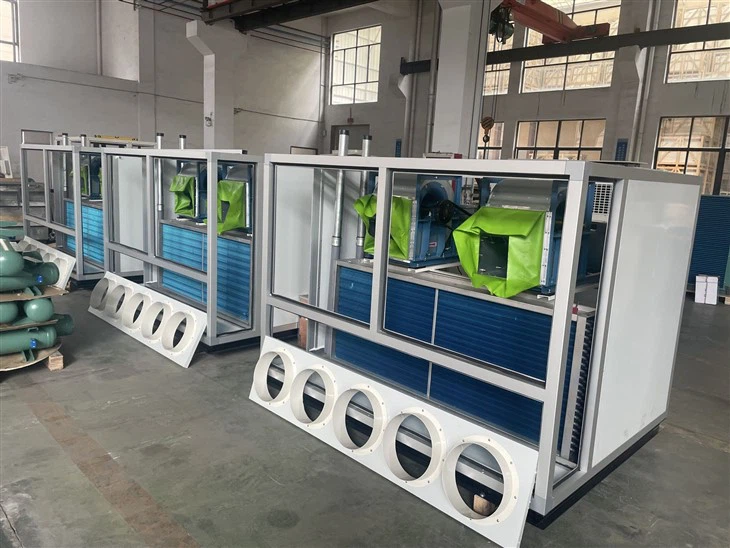
We offer a range of Modular Air Handling Unit (AHU) | Efficient Ventilation & Climate Control For Industrial And Commercial Buildings that can be customized with different types of humidifiers. Our team of experts is always on hand to provide advice and support, from installation to maintenance.
Conclusion
In conclusion, the humidifier plays a vital role in an Air Handling Unit. It helps to maintain the right humidity levels, which is essential for improving indoor air quality, protecting equipment, and enhancing energy efficiency. Whether you're in a commercial, industrial, or healthcare setting, a well - designed AHU with a proper humidifier can make a big difference.
If you're in the market for an AHU or need to upgrade your existing system, we'd love to talk to you. Our team has the knowledge and experience to help you find the perfect solution for your needs. Don't hesitate to reach out and start a conversation about your AHU requirements.
References
- ASHRAE Handbook - HVAC Systems and Equipment.
- "Humidification in HVAC Systems" by Building Science Corporation.