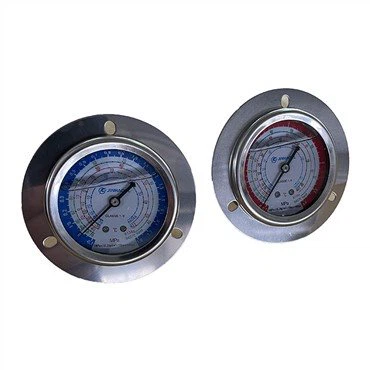
In the world of cold storage, the efficiency and reliability of a cooler are of utmost importance. As a leading supplier of cold storage coolers, we often receive inquiries about the refrigerants used in our systems. Understanding the role and characteristics of refrigerants is crucial for anyone involved in the cold storage industry, whether you're a business owner looking to optimize your storage facilities or a professional seeking to enhance your knowledge. In this blog post, we'll delve into the topic of refrigerants used in cold storage coolers, exploring their types, properties, and the considerations for choosing the right one.
Understanding Refrigerants
Refrigerants are substances used in refrigeration systems to transfer heat from one place to another. They play a central role in the cooling process by absorbing heat from the cold storage area and releasing it outside. The choice of refrigerant can significantly impact the performance, efficiency, and environmental impact of a cold storage cooler.
Common Types of Refrigerants for Cold Storage Coolers
Ammonia (R-717)
Ammonia has been a traditional refrigerant in the cold storage industry for many years. It has excellent thermodynamic properties, high latent heat of vaporization, and low cost. Ammonia also has a high coefficient of performance (COP), which means it can transfer more heat per unit of energy input, making it an energy-efficient choice. However, ammonia is toxic and flammable, which requires strict safety measures during installation, operation, and maintenance. Despite these challenges, ammonia is still widely used in large industrial cold storage facilities due to its cost-effectiveness and efficiency.
Hydrofluorocarbons (HFCs)
HFCs are synthetic refrigerants that have been widely used since the phase-out of chlorofluorocarbons (CFCs) and hydrochlorofluorocarbons (HCFCs) due to their ozone-depleting potential. HFCs, such as R-404A and R-507, are non-toxic, non-flammable, and have good thermodynamic properties. They are commonly used in medium to large cold storage coolers, especially in commercial applications. However, HFCs have a high global warming potential (GWP), which has led to increasing concerns about their environmental impact. As a result, there is a growing trend towards phasing out high-GWP HFCs in favor of more environmentally friendly alternatives.
Hydrocarbons (HCs)
Hydrocarbons, such as propane (R-290) and isobutane (R-600a), are natural refrigerants that have gained popularity in recent years due to their low GWP and excellent thermodynamic properties. They are energy-efficient, non-toxic, and have a minimal impact on the environment. However, hydrocarbons are flammable, which requires special safety precautions during installation and operation. Despite these challenges, hydrocarbons are increasingly being used in small to medium-sized cold storage coolers, especially in residential and commercial applications.
Carbon Dioxide (R-744)
Carbon dioxide is a natural refrigerant that has been used in refrigeration systems for over a century. It has a very low GWP and is non-toxic, non-flammable, and environmentally friendly. Carbon dioxide can be used in transcritical and subcritical refrigeration cycles, making it suitable for a wide range of cold storage applications. However, carbon dioxide systems operate at high pressures, which require specialized equipment and expertise. Despite these challenges, carbon dioxide is becoming an increasingly popular choice for cold storage coolers, especially in large-scale commercial and industrial applications.
Factors to Consider When Choosing a Refrigerant
When choosing a refrigerant for a cold storage cooler, several factors need to be considered, including:
Environmental Impact
The environmental impact of a refrigerant is a major consideration, especially in today's world of increasing environmental awareness. Refrigerants with a high GWP can contribute to global warming, while ozone-depleting substances can damage the ozone layer. Therefore, it's important to choose a refrigerant with a low GWP and zero ozone depletion potential (ODP).
Safety
Safety is another critical factor to consider when choosing a refrigerant. Some refrigerants, such as ammonia and hydrocarbons, are toxic or flammable, which requires strict safety measures during installation, operation, and maintenance. It's important to choose a refrigerant that is safe to use and complies with all relevant safety standards and regulations.
Energy Efficiency
Energy efficiency is a key consideration for any cold storage cooler, as it can significantly impact the operating costs. Refrigerants with a high COP can transfer more heat per unit of energy input, making them more energy-efficient. Therefore, it's important to choose a refrigerant that offers high energy efficiency and can help reduce energy consumption and operating costs.
Compatibility with Equipment
The refrigerant chosen must be compatible with the cold storage cooler equipment, including the compressor, condenser, evaporator, and piping. Incompatible refrigerants can cause damage to the equipment and reduce its performance and lifespan. Therefore, it's important to choose a refrigerant that is recommended by the equipment manufacturer and is compatible with the specific design and operating conditions of the cold storage cooler.
Cost
The cost of the refrigerant is also an important consideration, as it can impact the overall cost of the cold storage cooler system. Some refrigerants, such as ammonia and hydrocarbons, are relatively inexpensive, while others, such as HFCs, can be more expensive. It's important to consider the initial cost of the refrigerant, as well as the long-term operating costs, including energy consumption and maintenance.
Our Cold Storage Coolers and Refrigerants
At our company, we understand the importance of choosing the right refrigerant for our cold storage coolers. We offer a wide range of cold storage coolers that are designed to use different types of refrigerants, including ammonia, HFCs, hydrocarbons, and carbon dioxide. Our experienced engineers and technicians can help you choose the most suitable refrigerant for your specific application, taking into account factors such as environmental impact, safety, energy efficiency, compatibility with equipment, and cost.

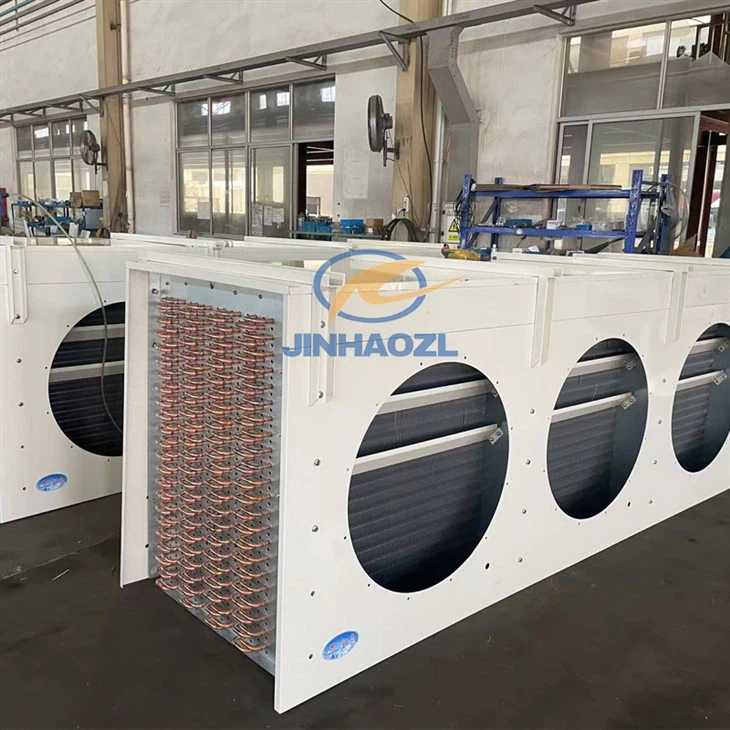
In addition to our expertise in refrigerants, we also offer high-quality cold storage cooler products that are designed to meet the needs of various industries. For example, our Water Defrost System Evaporator is a reliable and efficient option for cold storage applications. It features a water defrost system that helps to prevent frost buildup on the evaporator coils, ensuring optimal performance and energy efficiency.
Our 2×2 Fan Square Type Air Cooler | Industrial Refrigeration Unit Cooler For Large Cold Storage And Freezer Rooms is another popular product. It is designed for large cold storage and freezer rooms, providing high cooling capacity and uniform temperature distribution.
For medium-temperature applications, our DD Type Medium Temperature Ceiling Air Cooler is an excellent choice. It is installed on the ceiling, saving floor space and providing efficient cooling for the storage area.
Contact Us for Your Cold Storage Cooler Needs
If you're in the market for a cold storage cooler and need assistance with choosing the right refrigerant and product for your application, we're here to help. Our team of experts can provide you with detailed information, technical support, and customized solutions to meet your specific requirements. Contact us today to start a discussion about your cold storage cooler needs and let us help you find the perfect solution.
References
ASHRAE Handbook - Refrigeration. American Society of Heating, Refrigerating and Air-Conditioning Engineers.
International Institute of Refrigeration (IIR). "Guidelines for the Safe Use of Refrigerants."
U.S. Environmental Protection Agency (EPA). "Significant New Alternatives Policy (SNAP) Program."