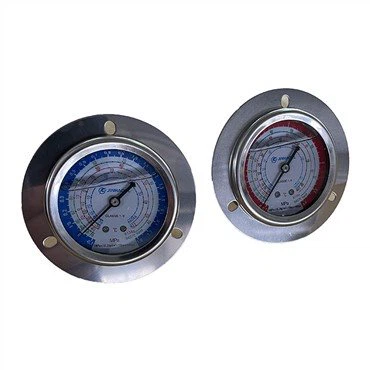
As a supplier of water cooled chillers, I've witnessed firsthand the growing demand for these systems in various industries. From commercial buildings to industrial facilities, water cooled chillers play a crucial role in maintaining optimal temperatures. However, it's essential to understand the environmental impact of these systems to ensure sustainable practices. In this blog, I'll delve into the environmental aspects of water cooled chillers, exploring both their potential drawbacks and the ways we can mitigate them.
Energy Consumption
One of the primary environmental concerns associated with water cooled chillers is their energy consumption. These systems require a significant amount of electricity to operate, especially when cooling large spaces or industrial processes. The energy-intensive nature of water cooled chillers contributes to greenhouse gas emissions, primarily carbon dioxide, which is a major driver of climate change.
To put this into perspective, according to the U.S. Energy Information Administration, commercial buildings account for approximately 18% of total U.S. energy consumption, with a substantial portion of that energy used for cooling purposes. Water cooled chillers are often the primary cooling system in large commercial buildings, making them a significant contributor to overall energy consumption.
However, advancements in chiller technology have led to the development of more energy-efficient models. Newer water cooled chillers are designed with features such as variable speed drives, high-efficiency compressors, and advanced control systems, which can significantly reduce energy consumption. By investing in these energy-efficient chillers, businesses can not only reduce their environmental impact but also save on energy costs in the long run.
Water Usage
Another environmental consideration when it comes to water cooled chillers is their water usage. These systems rely on water to remove heat from the refrigerant, which is then released into the environment. As a result, water cooled chillers consume a large amount of water, especially in regions with limited water resources.
The water used in water cooled chillers is typically sourced from a municipal water supply or a nearby water body, such as a lake or river. In some cases, the water is treated to prevent the growth of algae and other contaminants before being circulated through the chiller system. Once the water has absorbed the heat from the refrigerant, it is either discharged back into the environment or recirculated through a cooling tower to remove the heat before being reused.
The large water consumption of water cooled chillers can put a strain on local water resources, especially in areas experiencing drought or water scarcity. To address this issue, many chiller manufacturers are developing innovative solutions to reduce water usage. For example, some water cooled chillers are designed with advanced condenser technologies that require less water to operate. Additionally, some systems are equipped with water-saving features, such as flow control valves and water treatment systems, which can help minimize water waste.
Refrigerant Leakage
Refrigerants are another significant environmental concern associated with water cooled chillers. These substances are used to transfer heat within the chiller system and are typically composed of synthetic chemicals, such as hydrofluorocarbons (HFCs). While HFCs are currently the most commonly used refrigerants in water cooled chillers, they are also potent greenhouse gases with a high global warming potential (GWP).
The leakage of refrigerants from water cooled chillers can have a significant impact on the environment. When released into the atmosphere, HFCs can trap heat and contribute to climate change. Additionally, the production and disposal of HFCs also have environmental implications, as they require energy and resources to manufacture and can release harmful chemicals into the environment during decomposition.
To address the issue of refrigerant leakage, many countries have implemented regulations to phase out the use of high-GWP refrigerants. In the United States, for example, the Environmental Protection Agency (EPA) has introduced the Significant New Alternatives Policy (SNAP) program, which encourages the use of low-GWP refrigerants as alternatives to HFCs. Additionally, chiller manufacturers are developing more advanced refrigerant management systems to prevent leaks and ensure the proper disposal of refrigerants at the end of their useful life.

Mitigating the Environmental Impact
While water cooled chillers do have some environmental drawbacks, there are several ways we can mitigate their impact and make them more sustainable. Here are some strategies that businesses and individuals can implement:
- Invest in Energy-Efficient Chillers: As mentioned earlier, newer water cooled chillers are designed with energy-efficient features that can significantly reduce energy consumption. By investing in these models, businesses can not only save on energy costs but also reduce their carbon footprint.
- Implement Water-Saving Measures: To reduce water usage, businesses can implement water-saving measures such as installing flow control valves, using water-efficient cooling tower technologies, and recycling water whenever possible. Additionally, businesses can consider using alternative water sources, such as rainwater or gray water, to supplement their water supply.
- Use Low-GWP Refrigerants: To minimize the environmental impact of refrigerant leakage, businesses should consider using low-GWP refrigerants in their water cooled chillers. These refrigerants have a lower global warming potential than traditional HFCs and can help reduce greenhouse gas emissions.
- Maintain and Service Chillers Regularly: Regular maintenance and servicing of water cooled chillers are essential to ensure their optimal performance and prevent leaks. By following the manufacturer's recommended maintenance schedule and using qualified technicians, businesses can extend the lifespan of their chillers and reduce their environmental impact.
Our Offerings
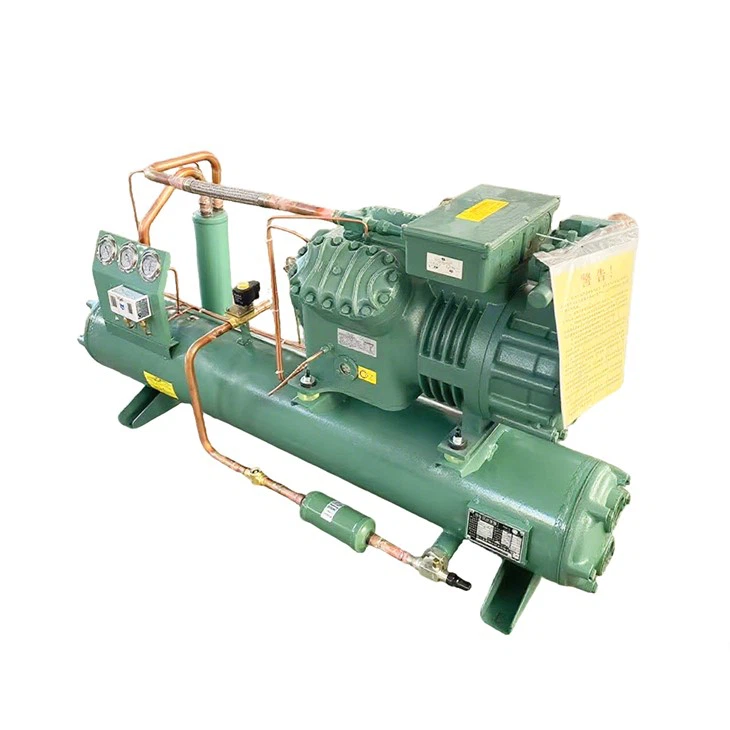
At our company, we understand the importance of sustainability and are committed to providing our customers with high-quality, energy-efficient water cooled chillers. We offer a wide range of chiller models, including the Compact Water-Cooled Scroll Chiller Unit | Small Capacity Cooling Solution, the 30HP Water-Cooled Chiller Unit With Bitzer Semi-Hermetic Compressor, and the High-Performance Water Cooled Condensing Unit For Industrial & Commercial Refrigeration.
Our chillers are designed with the latest energy-efficient technologies and are equipped with features such as variable speed drives, high-efficiency compressors, and advanced control systems to minimize energy consumption and reduce environmental impact. Additionally, we offer comprehensive maintenance and servicing programs to ensure the optimal performance of our chillers and prevent refrigerant leaks.
If you're interested in learning more about our water cooled chillers or have any questions about their environmental impact, please don't hesitate to contact us. We'd be happy to discuss your specific needs and help you find the right chiller solution for your business.
Conclusion
In conclusion, while water cooled chillers do have some environmental drawbacks, there are several ways we can mitigate their impact and make them more sustainable. By investing in energy-efficient chillers, implementing water-saving measures, using low-GWP refrigerants, and maintaining and servicing chillers regularly, businesses can reduce their carbon footprint and contribute to a more sustainable future.
As a supplier of water cooled chillers, we're committed to providing our customers with high-quality, energy-efficient products that meet their cooling needs while minimizing their environmental impact. If you're interested in learning more about our offerings or have any questions, please contact us today. We look forward to helping you find the right chiller solution for your business.
References
- U.S. Energy Information Administration. (n.d.). Commercial Building Energy Consumption and Expenditures. Retrieved from https://www.eia.gov/consumption/commercial/
- Environmental Protection Agency. (n.d.). Significant New Alternatives Policy (SNAP) Program. Retrieved from https://www.epa.gov/snap