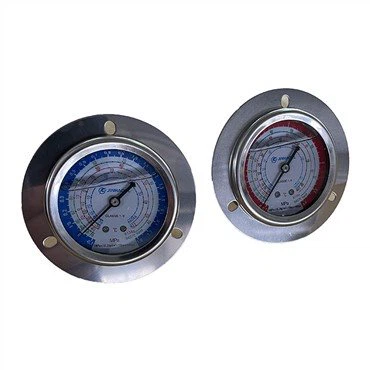
When it comes to maintaining the health and performance of an engine, two crucial components often come into play: the oil pressure gauge and the oil level gauge. As an experienced oil gauge supplier, I've witnessed firsthand the importance of these instruments in various applications, from automotive engines to industrial machinery. In this blog post, I'll delve into the differences between an oil pressure gauge and an oil level gauge, their functions, and why they are both essential for engine monitoring.
Understanding the Basics: Oil Pressure Gauge
An oil pressure gauge is designed to measure the force at which engine oil is being circulated throughout the engine. It provides real - time information about the oil pressure, which is a critical parameter for engine health. The gauge is typically connected to the engine's oil system via a sensor, and it displays the oil pressure in units such as pounds per square inch (psi) or kilopascals (kPa).
The oil pressure in an engine is generated by the oil pump, which is responsible for circulating the oil to all the moving parts. Adequate oil pressure ensures that the engine's components are properly lubricated, reducing friction and wear. If the oil pressure drops too low, it can lead to insufficient lubrication, which may cause serious damage to the engine, such as overheating, excessive wear, and even engine failure.
For example, in a car engine, the normal oil pressure range might be between 20 - 60 psi when the engine is running at normal operating temperature. If the oil pressure gauge shows a reading outside of this range, it could indicate a problem with the oil pump, a clogged oil filter, or a leak in the oil system.
Understanding the Basics: Oil Level Gauge
On the other hand, an oil level gauge is used to measure the quantity of oil in the engine's oil pan. It gives a clear indication of whether there is enough oil in the engine to maintain proper lubrication. The oil level gauge is usually a simple dipstick that is inserted into the oil pan through a tube. The dipstick has markings on it that indicate the minimum and maximum oil levels.
Maintaining the correct oil level is crucial because if the oil level is too low, there won't be enough oil to lubricate all the engine components. This can result in increased friction, heat, and wear. Conversely, if the oil level is too high, it can cause foaming of the oil, which reduces its lubricating properties and can also lead to engine damage.
In a typical automotive engine, you should check the oil level regularly, preferably when the engine is cold. To check the oil level, you simply pull out the dipstick, wipe it clean, re - insert it fully, and then pull it out again to read the oil level against the markings on the dipstick.
Key Differences
Function
The most significant difference between the two gauges lies in their functions. The oil pressure gauge measures the force of the oil flow, while the oil level gauge measures the volume of oil in the engine. One is about the dynamic aspect of oil circulation, and the other is about the static quantity of oil available.
Measurement
The oil pressure gauge uses a sensor to measure the pressure exerted by the oil, and it provides a numerical reading on the gauge. In contrast, the oil level gauge is a more basic measurement tool. It gives a visual indication of whether the oil level is within the acceptable range through markings on the dipstick.
Importance in Engine Monitoring
Both gauges are essential for engine monitoring, but they provide different types of information. The oil pressure gauge can detect problems with the oil circulation system, such as a failing oil pump or a blockage. The oil level gauge, however, helps you catch issues related to oil consumption, leaks, or improper oil filling.
Applications and Their Significance
Automotive Industry
In cars, trucks, and motorcycles, both oil pressure and oil level gauges are standard equipment. The oil pressure gauge allows the driver to monitor the health of the engine's lubrication system while driving. If the oil pressure warning light comes on or the gauge shows abnormal readings, it's a sign that immediate action is required. The oil level gauge, on the other hand, is used during routine maintenance checks. It helps the owner ensure that the engine has the right amount of oil before embarking on a journey.
Industrial Machinery
In industrial settings, such as factories and power plants, engines and machinery rely on proper lubrication for smooth operation. Oil pressure gauges are used to continuously monitor the oil pressure in large engines, compressors, and other equipment. This helps prevent costly breakdowns and ensures the longevity of the machinery. Oil level gauges are also important in these settings, as they allow maintenance personnel to refill the oil when necessary and detect any sudden drops in oil level that could indicate a leak.
The Role of High - Quality Oil Gauges
As an oil gauge supplier, I understand the importance of providing high - quality gauges. Accurate and reliable oil pressure and oil level gauges are essential for ensuring the proper functioning of engines and machinery. Low - quality gauges may give inaccurate readings, which can lead to misdiagnosis of problems and potentially cause serious damage to the equipment.
We offer a wide range of oil gauges that are designed to meet the highest standards of accuracy and durability. Our gauges are made from high - quality materials and are rigorously tested to ensure they provide reliable readings in various operating conditions. Whether you need a gauge for a small automotive engine or a large industrial machine, we have the right solution for you.
Related Spare Parts
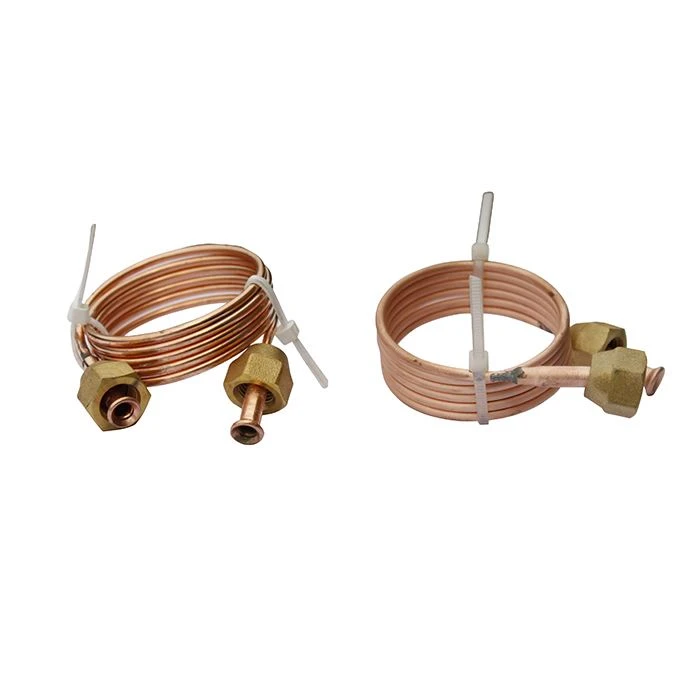
In addition to oil gauges, we also supply a variety of related spare parts that are crucial for the proper functioning of the oil system. For example, Copper Spare Parts are often used in oil systems for their excellent heat transfer properties and corrosion resistance. Rotalock Valve can be used to control the flow of oil in the system, and Vibration Absorber helps reduce the impact of vibrations on the oil system components.

Why Choose Us as Your Oil Gauge Supplier
- Quality Assurance: We adhere to strict quality control measures to ensure that all our oil gauges and related spare parts meet the highest industry standards.
- Technical Expertise: Our team of experts has extensive knowledge of oil systems and can provide you with professional advice on choosing the right gauges and spare parts for your specific needs.
- Customization: We understand that different applications may have different requirements. That's why we offer customization options to meet your unique needs.
Contact Us for Purchase and Consultation
If you're in the market for high - quality oil pressure gauges, oil level gauges, or related spare parts, we'd love to hear from you. Whether you're an automotive enthusiast, an industrial maintenance manager, or a distributor, we can provide you with the products and support you need. Contact us today to start a conversation about your requirements, and let's work together to ensure the optimal performance of your engines and machinery.
References
- Automotive Engineering Handbook, Various Authors
- Industrial Machinery Maintenance Guide, Industry Experts