An air condenser is a vital component in many refrigeration and air conditioning systems, and understanding its control system is crucial for ensuring efficient and reliable operation. As a leading air condenser supplier, we have been deeply involved in the research, development, and production of air condensers, which allows us to provide in - depth insights into their control systems.
What is a control system for an air condenser?
The control system of an air condenser is a set of mechanisms and algorithms designed to manage and optimize the performance of the condenser. Its main goal is to keep the condensing pressure and temperature within a desired range, which in turn affects the overall efficiency of the refrigeration or air - conditioning system.
Key functions of the control system
Temperature control
One of the primary functions of the control system is temperature regulation. The condenser is responsible for removing heat from the refrigerant, and maintaining the right temperature is essential. A temperature sensor is typically placed in the refrigerant line or near the condenser coils. The sensor continuously monitors the temperature and sends the data to the control unit. If the temperature is too high, the control system will take actions such as increasing the fan speed to enhance the heat - transfer process. For example, in a large - scale industrial refrigeration system, the control system can adjust the fan speed based on the real - time temperature data to ensure that the refrigerant is cooled effectively.
Pressure control
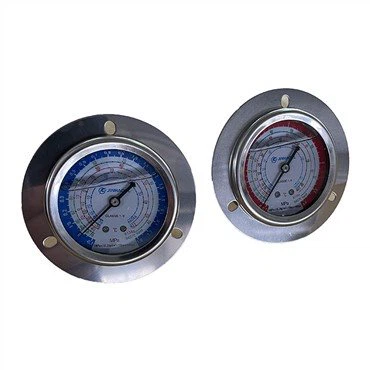
Pressure control is equally important. High condensing pressure can cause the compressor to work harder, leading to increased energy consumption and potential damage to the system. The control system uses pressure sensors to monitor the pressure in the condenser. When the pressure exceeds the preset limit, the control system may increase the airflow through the condenser, either by speeding up the fans or activating additional fans. This helps to reduce the pressure and maintain the stability of the system.
Fan speed control
The fans in an air condenser play a critical role in the heat - dissipation process. The control system can adjust the fan speed according to the operating conditions. In mild weather conditions, the fans can run at a lower speed to save energy. However, when the ambient temperature is high or the system load is heavy, the control system will increase the fan speed to ensure sufficient heat transfer. Some advanced control systems can even use variable - frequency drives (VFDs) to precisely control the fan speed, providing a high level of energy efficiency.
Components of the control system
Sensors
Sensors are the eyes and ears of the control system. Temperature sensors, as mentioned earlier, measure the temperature of the refrigerant and the ambient air. Pressure sensors are used to monitor the pressure in the condenser. These sensors provide accurate data to the control unit, enabling it to make informed decisions.
Control unit
The control unit is the brain of the system. It receives the data from the sensors and processes it using pre - programmed algorithms. Based on the analysis, the control unit sends commands to the actuators, such as the fan motors, to adjust the operation of the condenser. Modern control units are often microprocessor - based, which allows for complex control strategies and easy programming adjustments.
Actuators
Actuators are the devices that carry out the commands from the control unit. In the case of an air condenser, the main actuators are the fan motors. The control unit can control the start, stop, and speed of the fan motors to achieve the desired performance. Some air condensers may also have additional actuators, such as dampers, to control the airflow.
Impact of the control system on system performance
Energy efficiency
A well - designed control system can significantly improve the energy efficiency of an air condenser. By adjusting the fan speed and other parameters according to the actual operating conditions, the system can avoid unnecessary energy consumption. For example, running the fans at a lower speed when the load is light can save a considerable amount of electricity over time. This not only reduces the operating cost for the end - users but also contributes to environmental sustainability.


System reliability
The control system helps to protect the air condenser and the entire refrigeration system from damage. By maintaining the proper pressure and temperature, it reduces the stress on the components, such as the compressor and the condenser coils. This can extend the service life of the equipment and reduce the frequency of breakdowns and maintenance requirements.
Sufficient cooling
With precise control, the air condenser can provide sufficient cooling capacity under different operating conditions. Whether it is a small cold room or a large - scale industrial refrigeration unit, the control system can ensure that the refrigerant is condensed effectively, allowing the system to operate at the desired level.
Our product offerings and the role of control systems in them
As an air condenser supplier, we offer a wide range of products, each equipped with advanced control systems. For instance, our V-Type Air Cooled Condenser With 2 External Rotor Fans | Small Box Type Condenser For Cold Room And Refrigeration Units is designed for small - to - medium - sized applications. Its control system is optimized for efficient operation in cold rooms and refrigeration units. The system can adjust the fan speed based on the temperature inside the cold room, ensuring that the temperature is maintained at the desired level.
Our H Type Air Cooled Condenser and H-Type Condenser – Built For High-Performance Cooling are built for high - performance cooling applications. These condensers are often used in large - scale industrial and commercial settings. The control systems in these products are more sophisticated, capable of handling complex operating conditions. They can monitor and adjust multiple parameters simultaneously, such as temperature, pressure, and fan speed, to ensure optimal performance.
Conclusion
In summary, the control system of an air condenser is a critical part of the overall refrigeration and air - conditioning system. It plays a vital role in maintaining the efficiency, reliability, and performance of the air condenser. As an air condenser supplier, we are committed to providing high - quality products with advanced control systems. If you are in the market for an air condenser or need to upgrade your existing system, we invite you to contact us for a detailed discussion on your specific requirements and how our products can meet them. Our team of experts is ready to assist you in finding the best solution for your needs.
References
- ASHRAE Handbook - Refrigeration. 2018.
- Irving, P. L. (2015). Refrigeration and Air Conditioning Technology. Cengage Learning.
- Stoecker, W. F., & Jones, J. W. (1982). Refrigeration and Air Conditioning. McGraw - Hill.