Hey there! As a supplier of copper spare parts, I've been in the game for quite some time. One question that often pops up is, "What is the brittleness of copper spare parts?" Well, let's dive right into it.
First off, copper is a pretty amazing metal. It's got good electrical conductivity, it's corrosion - resistant, and it's malleable. But just like any material, it has its quirks, and brittleness is one of them.
Brittleness in materials refers to the tendency of a material to break or shatter when subjected to stress, rather than deforming plastically. In the case of copper spare parts, brittleness can be a real headache. You see, copper spare parts are used in all sorts of applications, from plumbing to electronics, and even in refrigeration systems.

Let's talk about the factors that can lead to the brittleness of copper spare parts. One of the main culprits is impurities. When copper is being refined, if there are impurities like sulfur, phosphorus, or bismuth present, they can form brittle compounds within the copper matrix. These compounds act as weak points, making the copper more likely to break under stress.
Another factor is the heat - treatment process. If copper spare parts are heated and cooled too quickly, it can cause internal stresses within the material. These stresses can lead to micro - cracks, which over time can grow and cause the part to become brittle. For example, in the manufacturing of Vibration Absorber, improper heat - treatment can really mess things up. A brittle vibration absorber won't be able to do its job of reducing vibrations effectively, and it might break down prematurely.
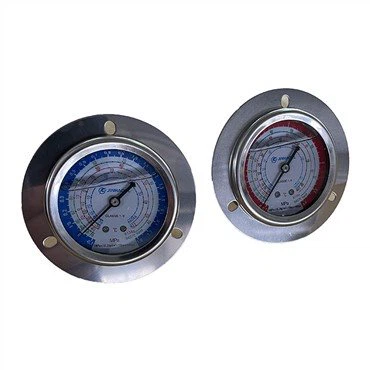
Cold working is also something to consider. Cold working is the process of shaping copper at room temperature. While it can increase the strength of copper, excessive cold working can lead to work hardening. Work hardening makes the copper less ductile and more brittle. Think about an Oil Gauge made of copper. If it's been cold - worked too much during the manufacturing process, it might crack when it's exposed to normal operating pressures.
The environment in which copper spare parts are used can also play a role in their brittleness. For instance, if the parts are exposed to high - temperature environments for long periods, the copper can undergo a process called recrystallization. During recrystallization, the grain structure of the copper changes, and this can make the material more brittle. And in corrosive environments, the corrosion products that form on the surface of the copper can also affect its mechanical properties and increase its brittleness. Take a Liquid Distributor in a refrigeration system. If it's exposed to a refrigerant that's slightly corrosive, over time, the distributor might become brittle and start to leak.
So, how can we tell if a copper spare part is brittle? Well, one simple way is through a bend test. If you try to bend a copper part and it breaks easily instead of bending smoothly, it's likely brittle. Another method is using non - destructive testing techniques like ultrasonic testing or X - ray inspection. These methods can detect internal cracks and flaws that might indicate brittleness.
As a supplier of copper spare parts, we take brittleness very seriously. We have strict quality control measures in place to ensure that our parts are of the highest quality. We carefully monitor the refining process to keep impurities to a minimum. Our heat - treatment processes are well - calibrated to avoid creating internal stresses. And we test our parts thoroughly before they leave the factory.
But even with all these measures, it's important for our customers to handle and install our copper spare parts correctly. For example, when installing a vibration absorber, make sure it's properly aligned and not subjected to excessive forces during installation. When using an oil gauge, follow the manufacturer's instructions regarding pressure limits.
If you're in the market for high - quality copper spare parts, don't let the fear of brittleness hold you back. We've got the expertise and the quality control to provide you with parts that are reliable and long - lasting. Whether you need a vibration absorber, an oil gauge, or a liquid distributor, we've got you covered.

We're always here to answer any questions you might have about our products. If you're interested in purchasing our copper spare parts, just reach out to us. We'd love to have a chat with you about your specific needs and how we can help you find the right parts for your applications.
References

- "Materials Science and Engineering: An Introduction" by William D. Callister Jr. and David G. Rethwisch
- "Handbook of Copper and Copper Alloys" by ASM International