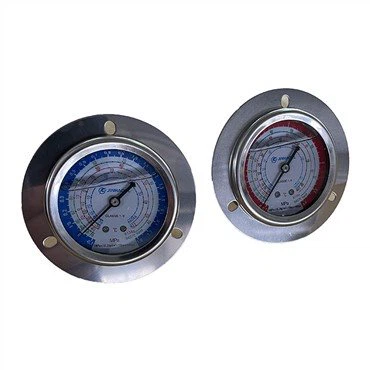
Hey there! As an oil gauge supplier, I've seen my fair share of issues with these little devices. A bad oil gauge can be a real headache, and it's important to know the symptoms so you can catch problems early. In this blog, I'll walk you through the common signs that your oil gauge might be on the fritz.
1. Erratic Readings
One of the most obvious symptoms of a bad oil gauge is erratic readings. You might notice that the gauge needle jumps around randomly, showing different oil pressure levels even when the engine conditions haven't changed. For example, you're driving steadily on the highway, and suddenly the gauge goes from normal to low and then back up again. This kind of unpredictable behavior is a red flag.
Erratic readings can be caused by a few things. A loose connection between the gauge and the oil pressure sender unit is a common culprit. Over time, vibrations from the engine can cause the wires to come loose. Another possibility is a faulty oil pressure sender. This small device is responsible for sending the oil pressure information to the gauge. If it's malfunctioning, it can send incorrect signals, leading to those wild fluctuations on the gauge.
2. Constant High or Low Readings
If your oil gauge consistently shows a high or low reading, that's also a sign of trouble. A constantly high reading might make you think your engine has great oil pressure, but it could actually be a sign of a blocked oil passage or a faulty pressure relief valve. When the oil can't flow properly due to a blockage, the pressure builds up, and the gauge reflects this abnormal increase.
On the other hand, a constantly low reading is even more concerning. It could mean that your engine is actually running low on oil, or there's a problem with the oil pump. The oil pump is responsible for circulating the oil throughout the engine. If it's not working correctly, the oil pressure will drop, and the gauge will show a low reading. A worn-out oil pump or a clogged oil filter can both lead to this issue.
3. Gauge Stays at Zero
When you start your engine and the oil gauge needle stays at zero, it's definitely a problem. In some cases, it could be a simple electrical issue, like a blown fuse or a broken wire. But it could also indicate a serious problem with the oil system. If there's no oil pressure at all, it means the engine isn't getting the lubrication it needs. This can cause severe damage to the engine components, like the pistons, bearings, and crankshaft.
If you see the gauge at zero, don't just ignore it and keep driving. Pull over safely as soon as possible and check the oil level. If the oil level is normal, then it's likely an issue with the gauge or the oil pressure sender. But if the oil level is low, you need to add oil immediately and then have the vehicle inspected to find out why the oil is disappearing.
4. Warning Lights
Many modern vehicles are equipped with warning lights that are connected to the oil gauge system. If the oil pressure drops below a certain level, a warning light will come on the dashboard. This is a clear indication that something is wrong with the oil pressure. Sometimes, the warning light might come on even if the gauge seems to be showing a normal reading. This could be because the warning light is more sensitive and is detecting a problem that the gauge hasn't picked up yet.


When the warning light comes on, it's important to take it seriously. Don't assume it's a false alarm. Stop the vehicle as soon as it's safe to do so and check the oil level. If the oil level is fine, but the light is still on, there could be a problem with the oil pressure sensor or the wiring. You should have the vehicle towed to a mechanic for a proper diagnosis.
5. Unusual Engine Noises
A bad oil gauge can sometimes be accompanied by unusual engine noises. When the engine isn't getting enough oil due to low pressure, the metal components start to rub against each other. This can create a knocking or rattling sound. The lack of lubrication causes increased friction, which can lead to premature wear and tear on the engine parts.
If you hear these strange noises along with any of the other symptoms mentioned above, it's a strong indication that there's a problem with the oil system. Ignoring these noises can lead to more serious and expensive engine damage down the road.
How We Can Help
As an oil gauge supplier, we offer high - quality oil gauges that are designed to be accurate and reliable. Our gauges are built to withstand the harsh conditions under the hood of a vehicle. We also have a team of experts who can help you troubleshoot any issues you might be having with your oil gauge.
If you're in the market for new oil gauges, or if you need any Sight Glasses, Rotalock Valve, or Copper Spare Parts for your oil system, we're here to assist you. We understand the importance of having a properly functioning oil gauge in your vehicle, and we're committed to providing you with the best products and service.
If you have any questions or are interested in making a purchase, feel free to reach out to us. We're always happy to have a chat and help you find the right solutions for your needs. Don't let a bad oil gauge cause you unnecessary stress and potential engine damage. Contact us today and let's get your oil system back in top shape.
References
- Automotive Repair Manuals
- Industry publications on automotive oil systems
- Manufacturer's documentation for oil gauges and related components