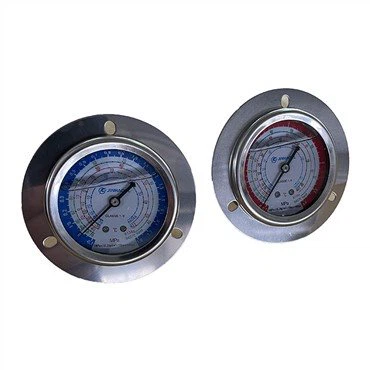
As a seasoned pressure vessel supplier, I've had the privilege of working closely with various industries that rely on these crucial components. Pressure vessels are designed to hold gases or liquids at a pressure substantially different from the ambient pressure. They are used in a wide range of applications, from oil and gas refineries to food and beverage processing, and even in the medical field. While standard pressure vessels offer many advantages, they also come with certain limitations that users need to be aware of.
Material Limitations
One of the primary limitations of using a standard pressure vessel lies in the choice of materials. Standard pressure vessels are typically made from common materials such as carbon steel, stainless steel, or aluminum. While these materials are widely available and cost - effective, they may not be suitable for all applications.
Carbon steel, for example, is prone to corrosion, especially in environments where moisture and certain chemicals are present. In industries such as chemical processing or marine applications, the corrosion of carbon steel pressure vessels can lead to structural integrity issues over time. This not only poses a safety risk but also increases maintenance costs as the vessel may need to be repaired or replaced more frequently.
Stainless steel is more resistant to corrosion than carbon steel, but it is also more expensive. In some cases, the cost of using stainless steel pressure vessels may be prohibitive, especially for small - scale operations. Additionally, certain aggressive chemicals can still cause corrosion in stainless steel, although at a slower rate.

Aluminum is lightweight and has good corrosion resistance, but it has lower strength compared to steel. This means that aluminum pressure vessels may not be suitable for high - pressure applications. For instance, in the oil and gas industry, where pressure vessels often need to withstand extremely high pressures, aluminum vessels may not meet the required safety standards.
Design Limitations
Standard pressure vessels are designed based on general industry standards and specifications. These designs are intended to meet the needs of a wide range of applications, but they may not be optimized for specific processes.
One common design limitation is the shape of the pressure vessel. Most standard pressure vessels are cylindrical or spherical in shape. While these shapes are structurally efficient and easy to manufacture, they may not be the best choice for some applications. For example, in certain chemical reactions, a custom - shaped pressure vessel may be required to ensure proper mixing and reaction kinetics. A non - standard shape could allow for better flow patterns and more efficient use of the vessel's internal volume.
Another design limitation is the lack of flexibility in terms of ports and connections. Standard pressure vessels usually come with a set number and size of ports, which may not be sufficient for complex processes. In industries such as pharmaceutical manufacturing, where multiple inputs and outputs are required for different stages of production, the limited port options of standard pressure vessels can be a significant drawback. This may require additional modifications to the vessel, which can be time - consuming and costly.
Capacity and Pressure Limitations
Standard pressure vessels are available in a range of sizes and pressure ratings. However, there are limits to the maximum capacity and pressure that these vessels can handle.
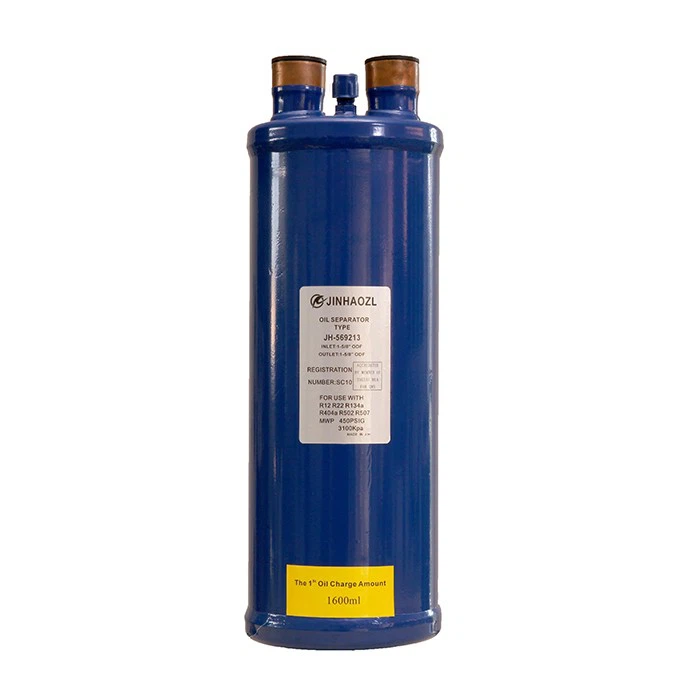
In terms of capacity, large - scale industrial processes may require pressure vessels with extremely high volumes. Standard vessels may not be available in the required size, or the cost of manufacturing a custom - sized vessel may be prohibitively high. For example, in a large - scale petrochemical plant, a standard pressure vessel may not be able to hold the required amount of raw materials or intermediate products, leading to inefficiencies in the production process.

Regarding pressure ratings, while standard pressure vessels can handle a certain range of pressures, some applications may require vessels to operate at much higher pressures. For instance, in high - pressure hydraulic systems or some advanced chemical synthesis processes, the pressure requirements may exceed the capabilities of standard pressure vessels. Using a standard vessel in such high - pressure applications can be extremely dangerous and may result in vessel failure.
Temperature Limitations
Standard pressure vessels are designed to operate within a specific temperature range. The materials used in these vessels have different thermal properties, and extreme temperatures can affect their mechanical strength and integrity.
At high temperatures, the strength of the vessel material may decrease, leading to potential deformation or failure. For example, carbon steel can lose its strength when exposed to high - temperature environments for extended periods. In industries such as power generation, where pressure vessels are used in steam systems, the high - temperature steam can cause stress on the vessel walls, and if the vessel is not designed to handle these temperatures, it can lead to safety hazards.
Conversely, at low temperatures, some materials may become brittle. For instance, certain steels can become more prone to cracking in cold environments. In refrigeration applications, where pressure vessels are used to store refrigerants at low temperatures, the brittleness of the vessel material can pose a risk of leakage or rupture.
Regulatory and Compliance Limitations
The use of pressure vessels is subject to strict regulations and standards in many countries. Standard pressure vessels are designed to meet these general regulations, but some industries may have more specific requirements.
For example, in the food and beverage industry, pressure vessels need to comply with strict hygiene and sanitation standards. Standard pressure vessels may not have the necessary features, such as smooth interior surfaces and easy - to - clean connections, to meet these requirements. This may require additional modifications or the use of specialized coatings, which can increase the cost of the vessel.
In the medical industry, pressure vessels used in applications such as autoclaves need to meet strict safety and quality standards. Standard pressure vessels may not be designed to meet these specialized requirements, and manufacturers may need to invest in additional testing and certification to ensure compliance.
How to Mitigate These Limitations
Despite these limitations, there are ways to overcome them. For material limitations, users can consider using corrosion - resistant coatings or linings for carbon steel vessels to extend their lifespan. In high - pressure or high - temperature applications, more advanced materials such as high - strength alloys can be used, although this may come at a higher cost.

Regarding design limitations, custom - designed pressure vessels can be fabricated to meet specific process requirements. This may involve working closely with a pressure vessel supplier to develop a vessel with the right shape, port configuration, and other features.
To address capacity and pressure limitations, multiple standard vessels can be used in parallel or series to achieve the required capacity or pressure. Alternatively, custom - built vessels can be designed to handle extreme conditions.
For temperature limitations, proper insulation can be installed to protect the vessel from extreme temperatures. In addition, materials with better thermal properties can be selected for applications with specific temperature requirements.
When it comes to regulatory and compliance limitations, it is essential to work with a pressure vessel supplier who has experience in dealing with different industries and their specific requirements. The supplier can help ensure that the vessel meets all the necessary regulations and standards.
Our Product Offerings
As a pressure vessel supplier, we offer a range of standard pressure vessels, including [Oil Separator]( /refrigeration - spare - parts/pressure - vessel/oil - separator.html), [Filter Drier]( /refrigeration - spare - parts/pressure - vessel/filter - drier.html), and [Vertical Liquid Receiver]( /refrigeration - spare - parts/pressure - vessel/vertical - liquid - receiver.html). These products are designed to meet the general needs of various industries, but we also have the expertise to provide custom - designed solutions to overcome the limitations mentioned above.
If you are facing challenges with your current pressure vessel or are in the process of selecting a new one, we encourage you to reach out to us for a detailed discussion. Our team of experts can help you evaluate your requirements, recommend the most suitable vessel, and ensure that it meets all the necessary safety and regulatory standards. Whether you need a standard vessel or a custom - built solution, we are here to support you in your operations.
References
- ASME Boiler and Pressure Vessel Code. American Society of Mechanical Engineers.
- API Standards for Pressure Vessels. American Petroleum Institute.
- European Pressure Equipment Directive (PED). European Union.