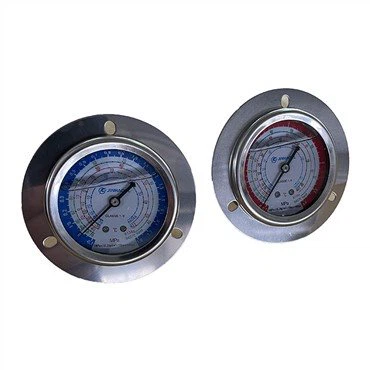
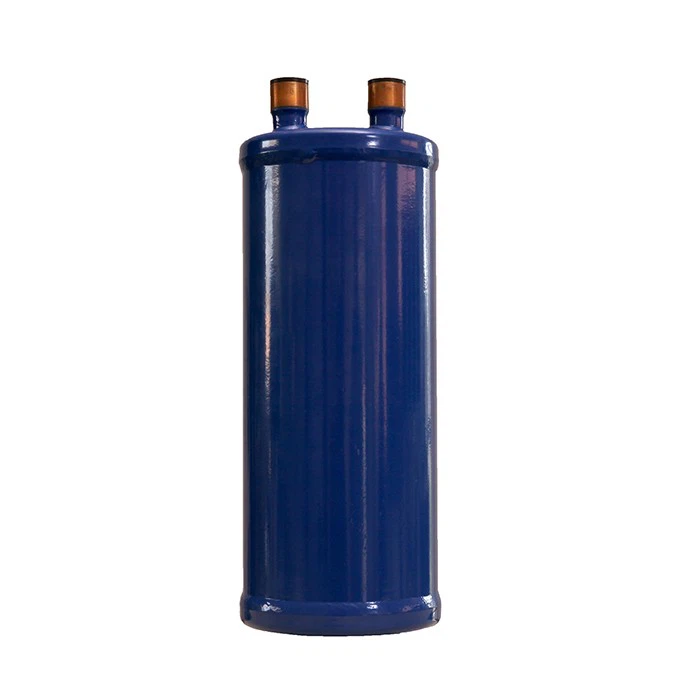
As a supplier of Liquid Receivers, I've witnessed firsthand the critical role these components play in refrigeration and air - conditioning systems. Liquid Receivers are essential pressure vessels that store liquid refrigerant in a refrigeration cycle, ensuring a continuous supply of refrigerant to the expansion device. However, high - pressure situations within a Liquid Receiver can have far - reaching effects on the entire system.
1. Impact on the Refrigerant
High pressure in a Liquid Receiver can significantly alter the state and properties of the refrigerant. Refrigerants are carefully selected based on their thermodynamic properties to work efficiently within a specific pressure and temperature range. When the pressure in the Liquid Receiver rises beyond the normal operating range, the refrigerant may experience a change in its phase equilibrium.
Normally, the refrigerant in a Liquid Receiver is in a liquid state, waiting to be sent to the evaporator. But under high - pressure conditions, the refrigerant may start to approach its critical point. The critical point is the temperature and pressure above which the distinction between the liquid and gas phases disappears. If the pressure gets too close to the critical pressure, the refrigerant may start to form a super - critical fluid. This can disrupt the normal refrigeration cycle because the super - critical fluid does not have the same heat - transfer characteristics as a liquid refrigerant.
For example, the heat transfer coefficient of a super - critical fluid is different from that of a liquid refrigerant. In a refrigeration system, efficient heat transfer is crucial for the cooling process. When the refrigerant changes to a super - critical state due to high pressure in the Liquid Receiver, the evaporator may not be able to absorb heat as effectively from the surrounding environment, leading to a decrease in the cooling capacity of the system.
2. Mechanical Stress on the Liquid Receiver
A Liquid Receiver is designed to withstand a certain level of pressure. High pressure in the Liquid Receiver subjects the vessel to increased mechanical stress. The walls of the Liquid Receiver are engineered to resist internal pressure, but when the pressure exceeds the design limit, it can cause structural damage.
The most immediate consequence of excessive pressure is the risk of leakage. The joints, seams, and seals of the Liquid Receiver are vulnerable points. High pressure can force refrigerant to seep through these areas, leading to a loss of refrigerant from the system. A refrigerant leak not only reduces the efficiency of the refrigeration system but also has environmental implications, as many refrigerants are potent greenhouse gases.
In extreme cases, if the pressure continues to rise without proper relief, the Liquid Receiver may rupture. A ruptured Liquid Receiver is a serious safety hazard. It can release a large amount of refrigerant suddenly, which may pose a risk to people in the vicinity due to the toxicity of some refrigerants or the potential for asphyxiation in enclosed spaces. Moreover, the sudden release of pressure can cause physical damage to the surrounding equipment and infrastructure.
3. Effects on Other System Components
The high pressure in a Liquid Receiver does not operate in isolation; it can have a domino effect on other components in the refrigeration system.

Compressor
The compressor is responsible for compressing the refrigerant vapor and raising its pressure to enable the heat - rejection process. When the pressure in the Liquid Receiver is high, the compressor has to work harder to maintain the pressure differential across the system. This increased workload can lead to higher energy consumption by the compressor. Over time, the extra stress on the compressor can cause premature wear and tear of its components, such as the pistons, valves, and bearings. Eventually, this can result in compressor failure, which is a costly repair for the entire refrigeration system.
Expansion Device
The expansion device, such as a thermostatic expansion valve (TXV), regulates the flow of refrigerant into the evaporator. High pressure in the Liquid Receiver can disrupt the normal operation of the expansion device. The TXV operates based on the pressure difference between the Liquid Receiver and the evaporator. When the pressure in the Liquid Receiver is too high, the pressure differential may be abnormal, causing the TXV to open or close inappropriately. This can lead to an improper amount of refrigerant being delivered to the evaporator, either too much or too little, which in turn affects the cooling performance of the system.
4. System Efficiency and Performance
The overall efficiency and performance of the refrigeration system are severely affected by high pressure in the Liquid Receiver. As mentioned earlier, the cooling capacity of the system can be reduced due to changes in the refrigerant state and improper operation of other components.
High - pressure situations also increase the energy consumption of the system. The compressor has to work harder, and other auxiliary components may also experience increased power requirements. This not only leads to higher electricity bills for the end - user but also has a negative impact on the environment due to increased energy generation and associated greenhouse gas emissions.
In addition, the reliability of the system is compromised. Frequent high - pressure events can lead to more frequent breakdowns and maintenance requirements. This can cause inconvenience to the users, especially in commercial and industrial applications where continuous cooling is essential, such as in cold storage facilities or data centers.
5. Preventive Measures and Solutions
As a Liquid Receiver supplier, I understand the importance of preventing high - pressure situations. One of the key preventive measures is proper system design. The Liquid Receiver should be sized correctly based on the capacity of the refrigeration system. An undersized Liquid Receiver may not be able to handle the refrigerant volume, leading to high pressure.
Installing pressure - relief devices is also crucial. These devices are designed to open when the pressure in the Liquid Receiver reaches a certain limit, allowing excess refrigerant to escape in a controlled manner. This helps to prevent over - pressurization and potential damage to the Liquid Receiver.
Regular maintenance is essential to ensure the proper functioning of the entire refrigeration system. This includes checking for refrigerant leaks, cleaning the heat exchangers, and verifying the operation of the expansion device. By keeping the system in good condition, the risk of high - pressure situations can be minimized.
If you are in the market for a reliable Liquid Receiver, we are here to provide you with high - quality products. Our Liquid Receivers are designed and manufactured to meet the highest industry standards, ensuring optimal performance and safety in your refrigeration system. In addition to Liquid Receivers, we also offer other essential components such as Oil Separator and Suction Line Accumulator to complete your refrigeration system.
If you have any questions or are interested in purchasing our products, please feel free to reach out. We are ready to discuss your specific requirements and provide you with the best solutions for your refrigeration needs.
References
- ASHRAE Handbook of Refrigeration. American Society of Heating, Refrigerating and Air - Conditioning Engineers.
- Stoecker, W. F., & Jones, J. W. (1982). Refrigeration and Air Conditioning. McGraw - Hill.
- Groll, E. A., & Radermacher, R. (2001). Refrigeration and Air Conditioning. CRC Press.