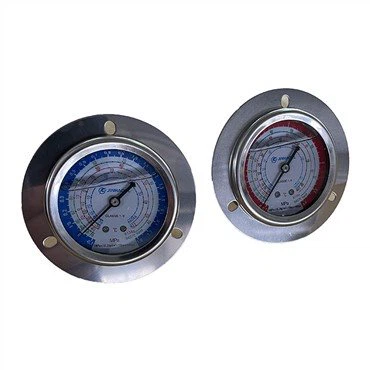
Is it necessary to have an oil temperature gauge in a car? This is a question that has sparked numerous debates among car enthusiasts, mechanics, and everyday drivers alike. As a supplier of high - quality oil gauges, I am deeply involved in this topic and would like to share my insights.
The Function of Engine Oil in a Car
Before delving into the necessity of an oil temperature gauge, it's essential to understand the role of engine oil in a vehicle. Engine oil serves multiple critical functions. Firstly, it lubricates the moving parts within the engine. The pistons, crankshaft, and camshaft all operate at high speeds and under intense pressure. Without proper lubrication, these components would experience excessive friction, leading to wear and tear, and ultimately, engine failure. Secondly, engine oil helps to cool the engine. It absorbs heat generated by the combustion process and dissipates it through the oil pan and the oil cooler. Additionally, oil acts as a cleaning agent, carrying away dirt, debris, and metal particles from the engine's internal components.
The Impact of Oil Temperature on Engine Performance
The temperature of the engine oil has a direct impact on its performance. When the oil is too cold, it becomes thick and viscous. This increased viscosity can impede the oil's ability to flow freely through the engine, reducing its lubricating efficiency. As a result, the engine has to work harder, leading to increased fuel consumption and potential damage to the engine components.
On the other hand, when the oil is too hot, it loses its viscosity. Thin oil cannot provide adequate lubrication, and the engine parts are more likely to come into direct contact with each other, causing friction and wear. High oil temperatures can also lead to the formation of sludge and varnish, which can clog the oil passages and reduce the oil's ability to circulate effectively.


The Role of an Oil Temperature Gauge
An oil temperature gauge is a simple yet invaluable tool that provides real - time information about the temperature of the engine oil. By monitoring the oil temperature, drivers can take appropriate actions to ensure the engine operates within the optimal temperature range.
For example, during cold starts, a driver can wait for the oil temperature to rise to a suitable level before driving at high speeds or putting excessive load on the engine. This allows the oil to reach its optimal viscosity and provides better lubrication.
In hot weather or during heavy - duty driving, such as towing or climbing steep hills, the oil temperature may rise rapidly. A driver with an oil temperature gauge can notice this increase and take preventive measures, such as reducing speed, turning on the engine fan, or pulling over to let the engine cool down.
Benefits for Different Types of Drivers
Everyday Drivers
For everyday drivers, an oil temperature gauge provides peace of mind. It allows them to detect potential problems early, such as a malfunctioning oil cooler or a blocked oil passage. By catching these issues early, drivers can avoid costly repairs and extend the lifespan of their engines.
Performance and Racing Drivers
Performance and racing drivers rely heavily on oil temperature gauges. In high - performance engines, the operating conditions are much more extreme. The engine is pushed to its limits, generating a significant amount of heat. A slight deviation in oil temperature can have a profound impact on the engine's performance. Racing drivers can use the oil temperature gauge to adjust their driving style and engine settings to maintain the optimal oil temperature and maximize the engine's power output.
Industry Trends and Compatibility
In recent years, the automotive industry has seen a shift towards more advanced engine management systems. Some modern cars come equipped with built - in oil temperature sensors that are integrated into the vehicle's computer system. However, these sensors may not always provide the same level of detailed information as a dedicated oil temperature gauge.
Moreover, for older cars or modified vehicles, a separate oil temperature gauge can be a great addition. It is relatively easy to install and can work in conjunction with the existing engine systems. At our company, we offer a wide range of oil gauges that are compatible with various makes and models of cars, ensuring that every driver can benefit from this essential tool.
Related Products and Their Importance
In addition to oil temperature gauges, there are other related products that play a crucial role in maintaining the health of a car's engine. For example, Vibration Absorber helps to reduce the vibrations generated by the engine, which can otherwise cause damage to the engine components and affect the overall performance of the vehicle.
Rotalock Valve is another important component, especially in refrigeration systems within the car. It allows for easy connection and disconnection of refrigerant lines, making maintenance and repairs more convenient.
Sight Glasses are used to visually inspect the flow and condition of the refrigerant or oil. They can provide valuable information about the system's operation, such as the presence of air bubbles or contaminants.
Conclusion and Call to Action
In conclusion, having an oil temperature gauge in a car is not just a luxury; it is a necessity. It provides vital information that can help drivers protect their engines, improve performance, and save money in the long run. Whether you are an everyday commuter or a performance enthusiast, an oil temperature gauge is a worthy investment.
If you are interested in purchasing high - quality oil gauges or learning more about our products, please feel free to reach out to us. Our team of experts is ready to assist you with your needs and provide you with the best solutions for your vehicle.
References
- Automotive Engineering Handbook, McGraw - Hill Education
- "Engine Oil Fundamentals" by Society of Automotive Engineers (SAE)
- Popular Mechanics Magazine, various issues on automotive maintenance and performance