Hey there! As a supplier of cooler evaporators, I've seen my fair share of capillary tube issues. Capillary tubes play a crucial role in the proper functioning of a cooler evaporator, and when they act up, it can cause all sorts of problems. In this blog, I'm gonna share some tips on how to troubleshoot capillary tube issues in a cooler evaporator.
Understanding the Role of Capillary Tubes
First off, let's quickly go over what capillary tubes do in a cooler evaporator. Capillary tubes are small, thin tubes that control the flow of refrigerant from the condenser to the evaporator. They act as a metering device, regulating the amount of refrigerant that enters the evaporator. This is super important because the right amount of refrigerant is needed for the evaporator to cool effectively.
Common Capillary Tube Issues
There are a few common issues that can pop up with capillary tubes in a cooler evaporator.
Clogging
One of the most common problems is clogging. Over time, debris, dirt, and even small particles of refrigerant oil can accumulate inside the capillary tube. This restricts the flow of refrigerant, leading to reduced cooling performance. You might notice that your cooler isn't getting as cold as it used to, or it's taking a long time to reach the desired temperature.
Kinking
Capillary tubes are pretty delicate. If they get kinked during installation or due to some external force, it can also disrupt the refrigerant flow. A kinked capillary tube will act like a blockage, causing similar issues as a clogged tube.
Incorrect Sizing
Sometimes, the capillary tube might be the wrong size for the cooler evaporator. If it's too small, it won't allow enough refrigerant to flow, and if it's too large, there might be an over - supply of refrigerant. This can lead to inefficient cooling and even damage to the compressor in the long run.
Troubleshooting Steps
Step 1: Check for Visible Damage
The first thing you should do is a visual inspection. Look at the capillary tube for any signs of kinking or physical damage. If you see a kink, you might be able to carefully straighten it out. However, be really gentle because the tube is very thin and can break easily.
Step 2: Listen for Unusual Noises
Turn on the cooler evaporator and listen closely. If you hear hissing or gurgling sounds, it could be a sign of a refrigerant flow problem, which might be related to the capillary tube. A hissing sound could indicate a leak in the tube, while gurgling might mean there's a blockage.
Step 3: Check the Cooling Performance
Monitor the temperature inside the cooler. If it's not reaching the set temperature or is fluctuating a lot, the capillary tube could be the culprit. You can use a thermometer to get an accurate reading of the temperature. Compare it with the normal operating temperature range of the cooler. If it's way off, there's definitely an issue.


Step 4: Pressure Testing
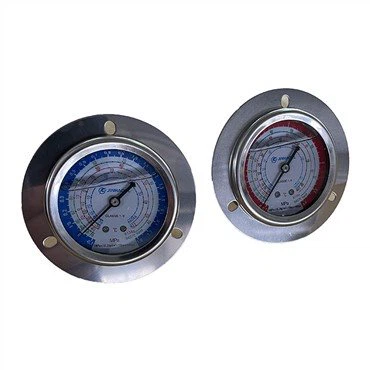
If you suspect a blockage or a leak in the capillary tube, pressure testing can be a great way to diagnose the problem. Use a pressure gauge to measure the pressure at different points in the refrigerant system. If the pressure is abnormal, it could indicate a problem with the capillary tube. A higher - than - normal pressure might mean there's a blockage, while a lower - than - normal pressure could suggest a leak.
Step 5: Clean the Capillary Tube
If you've determined that the capillary tube is clogged, you can try cleaning it. However, this is a delicate process. First, you need to isolate the capillary tube from the rest of the refrigerant system. Then, you can use a special refrigerant - compatible cleaning solution to flush out the debris. Be sure to follow the manufacturer's instructions carefully when using any cleaning agents.
Step 6: Replace the Capillary Tube
If all else fails, you might have to replace the capillary tube. When you're replacing it, make sure you choose the right size and type of capillary tube for your cooler evaporator. You can consult the product manual or reach out to a professional for advice on the correct specifications.
Preventive Measures
To avoid capillary tube issues in the future, here are some preventive measures you can take.
- Regular Maintenance: Schedule regular maintenance for your cooler evaporator. This includes cleaning the entire system, checking the capillary tube for any signs of wear or damage, and ensuring the refrigerant levels are correct.
- Proper Installation: Make sure the capillary tube is installed correctly. Avoid kinking or bending it during installation. Follow the manufacturer's installation instructions carefully to ensure everything is set up properly.
- Use High - Quality Refrigerant: Using high - quality refrigerant can reduce the chances of debris and contaminants building up inside the capillary tube.
Our Products
If you're in the market for a new cooler evaporator, we've got some great options for you. Check out our Food Grade Stainless Steel Air cooler. It's made from high - quality stainless steel, which is not only durable but also food - grade, making it perfect for food storage applications.
We also offer a Customized DJ Air Duct Fan White Air Cooler. You can customize it according to your specific needs, making it a great choice for different environments.
And for those who need a cooler with electric defrosting capabilities, our Electric Defrost Air Cooler is a top - notch option. It ensures efficient defrosting, which helps in maintaining optimal cooling performance.
If you're interested in any of our products or have any questions about troubleshooting capillary tube issues in cooler evaporators, feel free to reach out. We're here to help you with all your cooling needs. Whether you're looking for a single unit for your small business or multiple units for a large - scale operation, we've got you covered. Let's start a conversation and find the best solution for you.
References
- Refrigeration and Air Conditioning Technology, by William C. Whitman, William M. Johnson, and John Tomczyk.
- HVAC Systems: Design and Installation, various industry experts.