Hey there! As a supplier of Refrigerant Receivers, I've seen my fair share of issues related to moisture in these crucial components. Moisture in a refrigerant receiver can spell big trouble, leading to reduced efficiency, corrosion, and even system failure. So, today, I'm gonna walk you through how to remove moisture from a refrigerant receiver.
Why Moisture is a Big Deal in Refrigerant Receivers
First off, let's talk about why moisture is such a pain in the neck. When moisture gets into a refrigerant system, it can react with the refrigerant and lubricating oil. This reaction forms acids that can corrode the internal components of the receiver and other parts of the system. It can also cause ice to form in the expansion valve, which messes up the flow of refrigerant and reduces the cooling capacity of the system.
Signs of Moisture in a Refrigerant Receiver
Before we dive into the removal process, it's important to know if there's actually moisture in the receiver. Some common signs include:
- Frost or ice on the expansion valve: This is a classic sign that moisture has frozen and is blocking the valve.
- Reduced cooling capacity: If your system isn't cooling as well as it used to, moisture could be the culprit.
- Corrosion in the system: Check for signs of rust or other corrosion on the internal components of the receiver and other parts of the system.
Steps to Remove Moisture from a Refrigerant Receiver
1. Isolate the Receiver
The first step is to isolate the refrigerant receiver from the rest of the system. This means shutting off the valves that connect the receiver to the condenser and the expansion valve. You don't want refrigerant flowing in or out while you're working on removing the moisture.
2. Evacuate the System
Once the receiver is isolated, you need to evacuate the refrigerant from it. Use a vacuum pump to create a vacuum in the receiver. This will help remove any refrigerant and moisture that's still inside. Make sure to follow all safety procedures when handling refrigerant.

3. Heat the Receiver
Heating the receiver can help vaporize the moisture. You can use a heat gun or a heating blanket to gently heat the receiver. Be careful not to overheat it, as this could damage the receiver or the refrigerant. Keep the temperature below the maximum operating temperature of the receiver.
4. Use a Desiccant
A desiccant is a material that can absorb moisture. You can install a desiccant drier in the system. This will help remove any remaining moisture from the refrigerant. There are different types of desiccants available, so choose one that's compatible with your refrigerant and system.
5. Re-evacuate the System
After heating the receiver and using the desiccant, re-evacuate the system to remove any remaining moisture and refrigerant vapor. This will ensure that the receiver is as dry as possible before you put it back into service.
6. Recharge the System
Once you're sure that the moisture has been removed, you can recharge the system with refrigerant. Make sure to use the correct type and amount of refrigerant for your system.
Using the Right Equipment
To effectively remove moisture from a refrigerant receiver, you need the right equipment. Here are some of the key pieces of equipment you'll need:
- Vacuum pump: This is essential for evacuating the refrigerant and moisture from the receiver.
- Heat gun or heating blanket: To heat the receiver and vaporize the moisture.
- Desiccant drier: To absorb any remaining moisture.
- Refrigerant recovery unit: To safely recover and store the refrigerant during the evacuation process.
Maintenance Tips to Prevent Moisture Buildup
Prevention is always better than cure. Here are some maintenance tips to help prevent moisture from building up in your refrigerant receiver:
- Regularly check the system for leaks: Leaks can allow moisture to enter the system. Fix any leaks as soon as you find them.
- Replace the desiccant drier regularly: Over time, the desiccant will become saturated with moisture and need to be replaced.
- Keep the system clean: Dirt and debris can trap moisture and cause corrosion. Clean the system regularly to prevent this.
Related Products
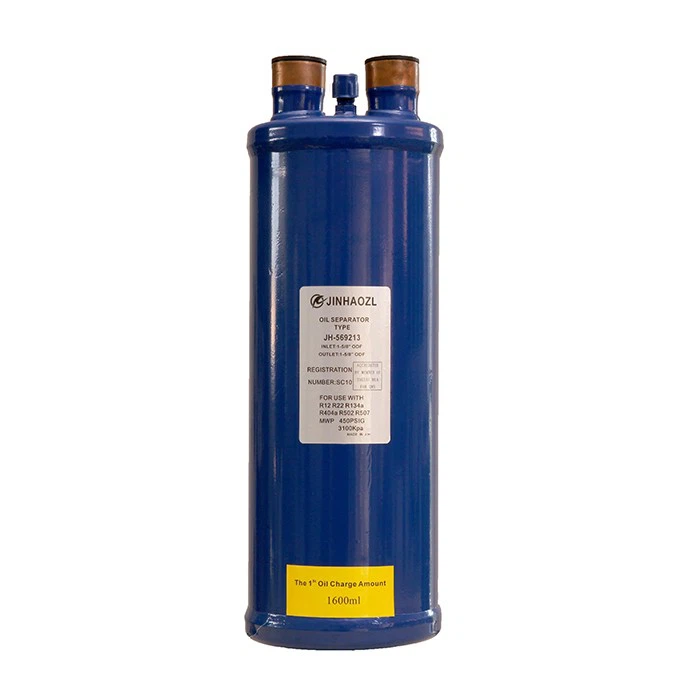
If you're in the market for a new refrigerant receiver or other related products, check out our Liquid Receiver, Oil Separator, and Horizontal Liquid Receiver. These products are designed to meet the highest standards of quality and performance.
Conclusion
Removing moisture from a refrigerant receiver is an important part of maintaining a refrigeration system. By following the steps outlined above and using the right equipment, you can effectively remove moisture and prevent damage to your system. If you have any questions or need help with your refrigerant receiver, don't hesitate to [contact us for a purchase discussion](contact details would be here if they were available). We're here to help you keep your system running smoothly.
References
- ASHRAE Handbook - Refrigeration
- Manufacturer's manuals for refrigerant receivers and related equipment