

Hey there! I'm a supplier of pressure vessels, and I've seen my fair share of pressure vessel failures. These mishaps can lead to costly repairs, production downtime, and even pose serious safety risks. So, I thought I'd share some tips on how to prevent pressure vessel failures.
1. Proper Design and Sizing
Right off the bat, getting the design and sizing of your pressure vessel nailed down is crucial. A well - designed vessel can handle the expected pressure, temperature, and fluid types without a hitch.
When designing the vessel, factors like the internal pressure, material strength, and the type of fluids it will contain must be carefully considered. For instance, if you're dealing with corrosive substances inside the vessel, you'll need to choose a material that can withstand corrosion, like stainless steel.
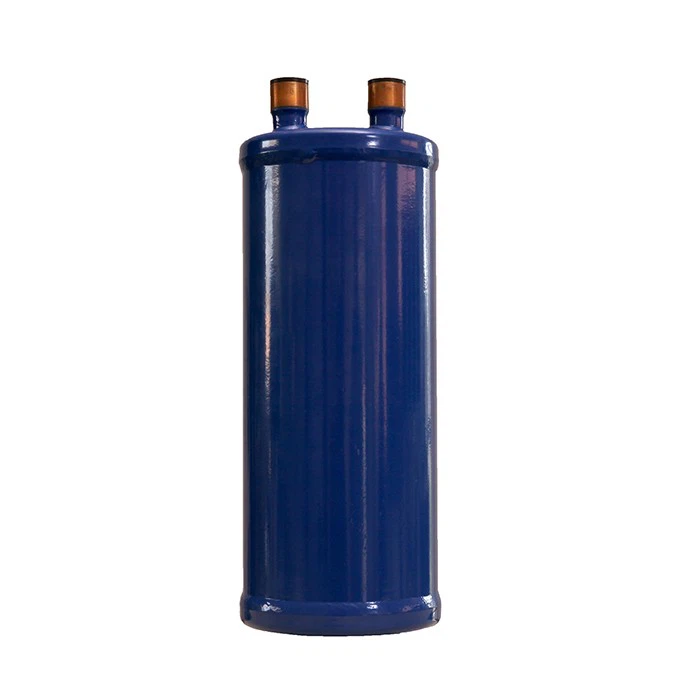
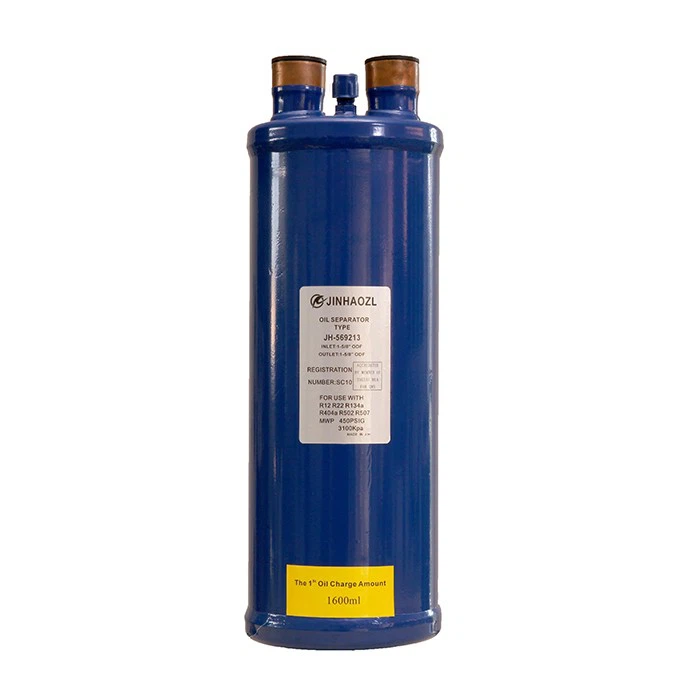
Sizing is equally important. An oversized vessel can lead to inefficiencies, while an undersized one can be over - pressurized, increasing the risk of failure. Make sure to do detailed calculations based on the intended use of the vessel. As a supplier, we offer different types of vessels such as the Refrigerant Receiver, Oil Separator, and Suction Line Accumulator, and we can advise on the right size for your application.
2. Quality Materials
You've probably heard the saying, "You are what you eat." Well, in the case of pressure vessels, "A vessel is as good as its materials."
Choosing high - quality materials is non - negotiable. The vessel's material should be able to handle the pressure and temperature conditions it will face. For example, carbon steel is a common choice for many general - purpose pressure vessels because it's strong and relatively inexpensive. But if you need to deal with high - temperature or corrosive environments, you might want to opt for materials like alloy steel or stainless steel.
At our place, we source materials from trusted suppliers to ensure the integrity of our vessels. We also make sure to conduct quality checks on the materials before we start manufacturing.
3. Manufacturing Standards
Sticking to manufacturing standards is a must. There are industry regulations and codes that govern how pressure vessels should be made, like the ASME Boiler and Pressure Vessel Code in the United States.
During the manufacturing process, every step from welding to machining should meet these standards. Welding is a critical area where things can go wrong. Poor welding can create weak spots in the vessel, which can lead to leaks or even catastrophic failures.
We follow strict manufacturing processes and have our own quality control teams to make sure that all our pressure vessels adhere to the highest industry standards.
4. Inspection and Testing
Just because a pressure vessel leaves the factory in good condition doesn't mean it will stay that way forever. Regular inspections and tests are essential to catch any potential problems early.
Visual Inspections
These are the most basic form of inspections. A visual inspection can reveal signs of wear and tear, corrosion, or physical damage on the vessel's surface. Inspectors will look for things like cracks, dents, or signs of leaks.
Non - Destructive Testing (NDT)
NDT methods are used to detect internal flaws without damaging the vessel. Techniques like ultrasonic testing can detect internal cracks, while magnetic particle testing can find surface and near - surface defects.
Hydrostatic Testing
This involves filling the vessel with water and pressurizing it to a specified level to check for leaks and ensure the vessel can handle the pressure. After every major repair or at regular intervals (usually every few years depending on the application), hydrostatic testing should be done.
5. Operating Conditions
How you operate the pressure vessel matters a great deal. Improper operation can put unnecessary stress on the vessel and increase the risk of failure.
Pressure and Temperature Limits
Make sure to always operate the vessel within its specified pressure and temperature limits. Over - pressurizing or over - heating the vessel can cause it to expand beyond its design capacity, leading to cracks or even explosions.
Fluid Compatibility
The fluids inside the vessel should be compatible with the vessel's material. If you put a corrosive fluid in a vessel made of a material that can't withstand it, corrosion will set in, weakening the vessel over time.
6. Maintenance and Repair
Regular maintenance can significantly extend the life of a pressure vessel. You should have a maintenance schedule in place that includes tasks like cleaning, lubrication (if applicable), and inspection of safety devices.
Cleaning
Removing debris, scale, or other contaminants from the vessel can prevent corrosion and buildup that can lead to blockages or failures.
Safety Devices
Pressure relief valves are crucial safety devices. They are designed to release excess pressure if it exceeds the vessel's design limit. Make sure to test these valves regularly to ensure they are working properly.
When it comes to repairs, only qualified technicians should be allowed to work on the vessel. Any repair should follow the same high - quality standards as the original manufacturing process.
7. Training of Operators
Let's face it, no matter how good the vessel is, if the operators don't know how to use it properly, things can go south quickly.
Proper training of operators is essential. They should understand the vessel's operating procedures, safety protocols, and what to do in case of an emergency. Training should cover topics like start - up and shut - down procedures, how to monitor pressure and temperature, and how to recognize signs of potential problems.
8. Monitoring Systems
Installing monitoring systems can provide real - time data on the vessel's condition. These systems can track variables like pressure, temperature, and vibration.
If the monitoring system detects any abnormal readings, an alarm can be triggered, allowing operators to take immediate action. For example, if the pressure suddenly spikes, operators can adjust the settings to bring it back to a safe level before any damage occurs.
Conclusion
Preventing pressure vessel failures is a multi - faceted process that involves proper design, quality materials, strict manufacturing standards, regular inspections, correct operation, maintenance, operator training, and monitoring.
As a pressure vessel supplier, we're committed to providing high - quality vessels and helping our customers keep them in top - notch condition. If you're in the market for pressure vessels or need advice on maintenance and prevention of failures, reach out to us. We're here to help you make the right choices and ensure the safe and efficient operation of your pressure vessels.
Suppliers who understand the importance of all these aspects are the ones you want to partner with. So, don't hesitate to get in touch and start the conversation about your pressure vessel needs.
References
- ASME Boiler and Pressure Vessel Code
- Industry best practices and guidelines for pressure vessel manufacturing and operation
- "Pressure Vessels: Design, Fabrication, and Operation" (Book)


