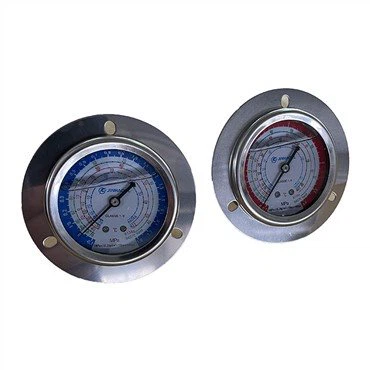
As a seasoned supplier of Air Handling Units (AHUs), I've witnessed firsthand the critical role these systems play in maintaining comfortable and healthy indoor environments across various industries. An efficiently operating AHU not only ensures optimal air quality but also contributes significantly to energy savings and cost - effectiveness. In this blog, I'll share some key strategies on how to optimize the performance of an Air Handling Unit.
1. Regular Maintenance
Regular maintenance is the cornerstone of AHU performance optimization. Just like a well - tuned car engine, an AHU needs consistent attention to run smoothly.
Filter Replacement: Filters are the first line of defense in an AHU, trapping dust, pollen, and other contaminants. Over time, these filters become clogged, which restricts airflow and forces the unit to work harder. As a result, energy consumption increases, and the overall efficiency of the AHU drops. I recommend replacing filters at least every three months, but this frequency may vary depending on the environment in which the AHU operates. For example, in a high - dust industrial setting, filters may need to be changed more frequently.
Coil Cleaning: The coils in an AHU, both the cooling and heating coils, can accumulate dirt and debris over time. This buildup acts as an insulator, reducing the heat transfer efficiency of the coils. As a result, the AHU has to use more energy to achieve the desired temperature. Regularly cleaning the coils, preferably on a semi - annual basis, can significantly improve the unit's performance. Use a soft brush or a low - pressure water spray to gently remove the dirt without damaging the coils.
Belt Inspection and Tensioning: Many AHUs use belts to transfer power from the motor to the fans. Loose or worn - out belts can slip, causing the fans to operate inefficiently. Regularly inspect the belts for signs of wear, such as cracks or fraying, and adjust the tension as needed. A properly tensioned belt ensures that the fans operate at the correct speed, which is crucial for maintaining proper airflow.
2. Airflow Optimization
Proper airflow is essential for the efficient operation of an AHU. Here are some ways to optimize airflow:
Ductwork Inspection and Sealing: Leaky ductwork can lead to significant energy losses. Air can escape through cracks and gaps in the ducts, reducing the amount of conditioned air that reaches the intended spaces. Regularly inspect the ductwork for leaks and seal any openings using appropriate sealing materials, such as mastic or metal tape. Additionally, ensure that the ducts are properly sized and installed to minimize airflow resistance.
Fan Selection and Adjustment: The fans in an AHU are responsible for moving the air through the system. Selecting the right fans for the specific application is crucial. Consider factors such as the required airflow rate, static pressure, and energy efficiency when choosing fans. Once installed, adjust the fan speed as needed to maintain the desired airflow. Variable - speed fans are a great option as they can adjust their speed based on the actual demand, resulting in energy savings.
Balancing the Airflow: In larger buildings with multiple zones, it's important to balance the airflow to ensure that each zone receives the appropriate amount of conditioned air. Use airflow measurement devices, such as anemometers, to measure the airflow in each duct and make adjustments to the dampers as needed. This helps to maintain consistent temperature and air quality throughout the building.
3. Control System Upgrades
Modern control systems can significantly enhance the performance of an AHU. Here's how:
Programmable Logic Controllers (PLCs): PLCs allow for precise control of the AHU's various components, such as the fans, dampers, and heating and cooling elements. By programming the PLC, you can set specific operating parameters based on factors like time of day, occupancy, and outdoor temperature. For example, you can program the AHU to reduce its output during off - peak hours or when the building is unoccupied, resulting in energy savings.
Thermostat Upgrades: Upgrading to a smart thermostat can provide more accurate temperature control. Smart thermostats can learn the building's occupancy patterns and adjust the temperature accordingly. They can also be controlled remotely via a smartphone or other devices, allowing for greater flexibility and energy management.
Integration with Building Automation Systems (BAS): Integrating the AHU with a BAS allows for centralized control and monitoring of the entire building's HVAC system. The BAS can collect data from various sensors throughout the building, such as temperature, humidity, and occupancy sensors, and use this data to optimize the operation of the AHU. For example, if the BAS detects that a particular area of the building is unoccupied, it can reduce the airflow to that area.
4. Energy - Efficient Components Selection
When designing or upgrading an AHU, choosing energy - efficient components can have a significant impact on its performance and operating costs.
High - Efficiency Motors: Motors are one of the major energy consumers in an AHU. Selecting high - efficiency motors can reduce energy consumption by up to 30% compared to standard motors. Look for motors with a high power factor and a high efficiency rating.
Energy - Recovery Ventilators (ERVs): ERVs can recover heat and moisture from the exhaust air and transfer it to the incoming fresh air. This reduces the energy required to heat or cool the incoming air, resulting in significant energy savings. Installing an ERV in an AHU can be particularly beneficial in buildings with high ventilation requirements.
Variable Refrigerant Flow (VRF) Systems: VRF systems offer precise temperature control and energy efficiency. They can adjust the refrigerant flow based on the actual cooling or heating demand in each zone of the building. When used in conjunction with an AHU, VRF systems can further optimize the energy consumption of the HVAC system.
5. Monitoring and Data Analysis
Continuous monitoring and data analysis are essential for identifying performance issues and making informed decisions about AHU optimization.
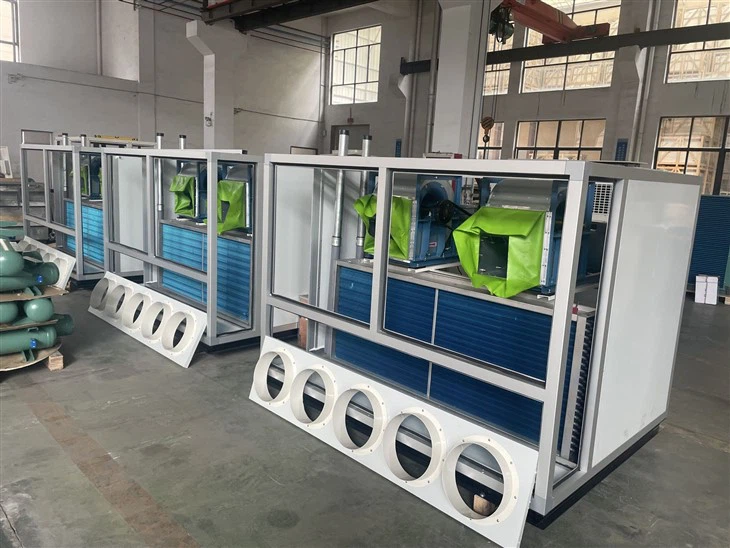

Sensor Installation: Install sensors throughout the AHU and the ductwork to monitor key parameters such as temperature, humidity, airflow, and pressure. These sensors can provide real - time data on the unit's performance, allowing you to detect any deviations from the normal operating conditions.
Data Logging and Analysis: Use a data logging system to collect and store the sensor data over time. Analyze this data to identify trends and patterns, such as seasonal variations in energy consumption or performance degradation over time. Based on the analysis, you can make adjustments to the AHU's operation or schedule maintenance as needed.
Predictive Maintenance: By analyzing the sensor data, you can implement a predictive maintenance strategy. Predictive maintenance uses algorithms and machine learning techniques to predict when a component is likely to fail based on its current condition. This allows you to schedule maintenance before a breakdown occurs, reducing downtime and maintenance costs.
In conclusion, optimizing the performance of an Air Handling Unit requires a comprehensive approach that includes regular maintenance, airflow optimization, control system upgrades, energy - efficient component selection, and monitoring and data analysis. As a trusted Air Handling Unit supplier, we at [company] are committed to providing high - quality AHUs and offering expert advice on how to keep them operating at peak performance. If you're interested in learning more about our Air Handling System or Modular Air Handling Unit (AHU) | Efficient Ventilation & Climate Control For Industrial And Commercial Buildings and Air Handling Unit System, or if you have any questions about AHU performance optimization, please don't hesitate to contact us for a procurement discussion. We're here to help you achieve the best possible indoor environment while minimizing energy costs.
References
- ASHRAE Handbook of HVAC Systems and Equipment.
- Carrier Corporation. "Optimizing Air Handling Unit Performance." Technical Bulletin.
- Trane Technologies. "Energy - Efficient Air Handling Unit Design." White Paper.