

As a seasoned supplier of liquid receivers, I understand the critical importance of ensuring the correct alignment of these components during installation. A properly aligned liquid receiver not only enhances the efficiency and performance of the refrigeration system but also extends the lifespan of the equipment. In this blog post, I will share some valuable insights and practical tips on how to achieve the correct alignment of a liquid receiver during installation.
Understanding the Basics of Liquid Receiver Alignment
Before delving into the installation process, it is essential to have a clear understanding of what proper alignment entails. A liquid receiver is a crucial component in a refrigeration system that stores the liquid refrigerant and ensures a continuous supply to the evaporator. To function optimally, the liquid receiver must be installed in a vertical position with a slight tilt towards the outlet. This alignment allows the refrigerant to flow smoothly and prevents the accumulation of air or vapor in the receiver.

Pre-Installation Preparation
The first step in ensuring the correct alignment of a liquid receiver is thorough pre-installation preparation. This includes:
- Site Inspection: Conduct a detailed inspection of the installation site to ensure that it is level, stable, and free from any obstructions. The site should also have adequate space for the liquid receiver and easy access for maintenance.
- Component Inspection: Carefully inspect the liquid receiver and all associated components, such as valves, pipes, and fittings, for any damage or defects. Ensure that all components are clean and free from debris.
- Measurement and Marking: Use a level and measuring tape to mark the exact location where the liquid receiver will be installed. This will help ensure that the receiver is installed in the correct position and alignment.
Installation Process
Once the pre-installation preparation is complete, you can proceed with the installation process. Here are the steps to follow:
- Mounting the Liquid Receiver: Use the appropriate mounting brackets or supports to secure the liquid receiver to the installation site. Ensure that the receiver is mounted vertically and that the outlet is slightly lower than the inlet. This will allow the refrigerant to flow freely and prevent any blockages.
- Connecting the Pipes: Connect the inlet and outlet pipes to the liquid receiver using the appropriate fittings and gaskets. Ensure that the connections are tight and leak-free. Use a torque wrench to tighten the fittings to the recommended specifications.
- Checking the Alignment: After connecting the pipes, use a level to check the alignment of the liquid receiver. Make any necessary adjustments to ensure that the receiver is perfectly vertical and that the outlet is slightly lower than the inlet.
- Securing the Pipes: Once the alignment is correct, secure the pipes to the mounting brackets or supports using clamps or straps. This will prevent the pipes from moving or vibrating during operation.
- Testing the System: After the installation is complete, test the refrigeration system to ensure that it is functioning properly. Check for any leaks, abnormal noises, or vibrations. If any issues are detected, address them immediately.
Common Alignment Issues and Solutions
Despite taking all the necessary precautions, alignment issues may still occur during the installation process. Here are some common alignment issues and their solutions:
- Tilt in the Wrong Direction: If the liquid receiver is tilted in the wrong direction, it can cause the refrigerant to flow in the wrong direction and lead to poor system performance. To correct this issue, adjust the mounting brackets or supports to ensure that the receiver is tilted towards the outlet.
- Uneven Mounting: Uneven mounting can cause the liquid receiver to be off-balance and lead to alignment issues. To correct this issue, use shims or spacers to level the mounting surface and ensure that the receiver is mounted evenly.
- Pipe Misalignment: Pipe misalignment can cause stress on the connections and lead to leaks or failures. To correct this issue, use a pipe bender or a flexible coupling to adjust the pipe alignment and ensure that the connections are straight and tight.
Importance of Professional Installation
While it is possible to install a liquid receiver yourself, it is highly recommended to hire a professional refrigeration technician for the job. A professional technician has the knowledge, skills, and experience to ensure that the liquid receiver is installed correctly and that the refrigeration system is functioning optimally. They can also provide valuable advice on maintenance and troubleshooting to help you avoid costly repairs and downtime.
Additional Considerations
In addition to ensuring the correct alignment of the liquid receiver, there are several other factors to consider during the installation process. These include:

- Ventilation: Ensure that the installation site has adequate ventilation to prevent the buildup of heat and moisture. This will help extend the lifespan of the liquid receiver and the refrigeration system.
- Accessibility: Make sure that the liquid receiver is easily accessible for maintenance and inspection. This will allow you to quickly identify and address any issues that may arise.
- Safety: Follow all safety guidelines and regulations during the installation process. Wear appropriate protective gear, such as gloves and safety glasses, and use the correct tools and equipment.
Conclusion
Ensuring the correct alignment of a liquid receiver during installation is crucial for the efficient and reliable operation of a refrigeration system. By following the tips and guidelines outlined in this blog post, you can ensure that your liquid receiver is installed correctly and that your refrigeration system is functioning at its best.
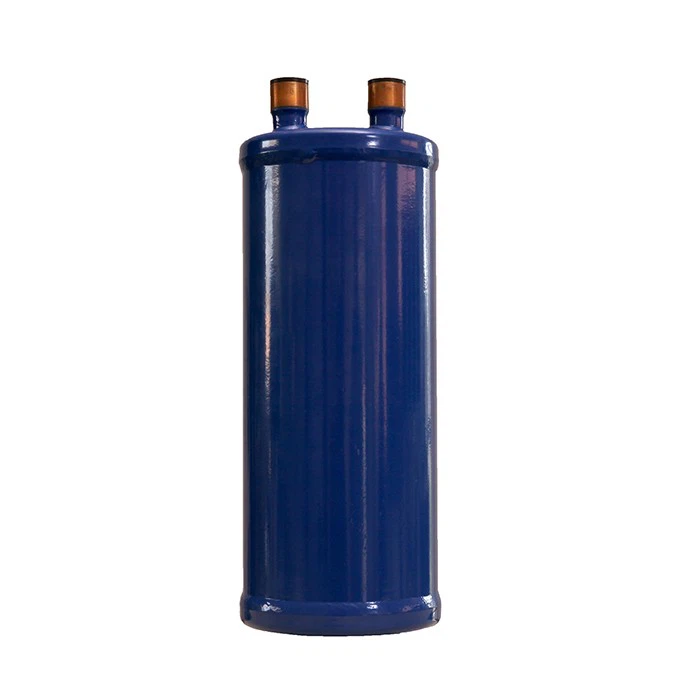
If you are in the market for a high-quality liquid receiver or other refrigeration spare parts, such as Suction Line Accumulator, Vertical Liquid Receiver, or Oil Separator, please feel free to contact us. Our team of experts is always ready to assist you with your procurement needs and provide you with the best products and services in the industry.
References
- ASHRAE Handbook of Refrigeration. American Society of Heating, Refrigerating and Air-Conditioning Engineers.
- Refrigeration and Air Conditioning Technology. Eugene Silberstein, Mark Howell, and Andrew D. Althouse.


