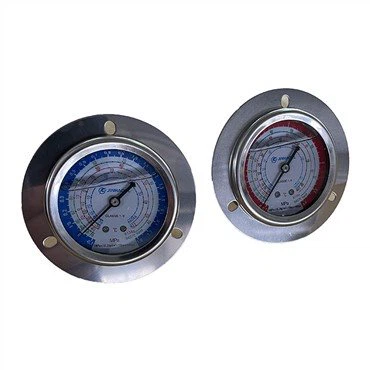
Ensuring the compatibility of copper spare parts with other components is a critical aspect in various industries, especially in refrigeration and HVAC systems. As a supplier of Copper Spare Parts, I understand the importance of this compatibility and have gathered extensive knowledge and experience in this field. In this blog post, I will share some key strategies and considerations to help you ensure the seamless integration of copper spare parts with other components.
Understanding the Properties of Copper
Before delving into compatibility issues, it's essential to understand the unique properties of copper. Copper is a highly malleable and ductile metal, which makes it easy to shape into various forms, such as pipes, tubes, and fittings. It also has excellent thermal and electrical conductivity, making it an ideal choice for applications where heat transfer or electrical conduction is required. Additionally, copper has good corrosion resistance, which helps to extend the lifespan of the spare parts.
However, copper can react with certain substances under specific conditions. For example, in the presence of moisture and oxygen, copper can form a layer of copper oxide, which may affect its performance and appearance. Therefore, when considering the compatibility of copper spare parts with other components, it's crucial to take into account the chemical and physical properties of both copper and the other materials involved.
Compatibility with Other Metals
One of the most common scenarios is the compatibility of copper spare parts with other metals. In many systems, copper is used in combination with other metals, such as steel, aluminum, and brass. When different metals are in contact with each other, there is a potential for galvanic corrosion to occur. Galvanic corrosion happens when two dissimilar metals are connected in an electrolyte (such as water or a corrosive solution), creating an electrochemical cell that causes one metal to corrode at an accelerated rate.
To prevent galvanic corrosion, it's important to follow the galvanic series, which ranks metals according to their tendency to corrode in a given environment. Metals that are close to each other in the galvanic series are less likely to cause galvanic corrosion when in contact. For example, copper and brass are relatively close in the galvanic series, so they are generally compatible. However, when copper is in contact with a more noble metal (such as stainless steel) or a less noble metal (such as aluminum), appropriate measures should be taken to prevent galvanic corrosion.
One way to prevent galvanic corrosion is to use insulating materials or coatings between the two metals. For example, a rubber gasket or a plastic sleeve can be used to separate copper and aluminum components, preventing direct contact and the formation of an electrochemical cell. Another option is to use a sacrificial anode, which is a more active metal that corrodes preferentially to protect the other metal. For example, a zinc anode can be used to protect copper from corrosion when in contact with a less noble metal.
Compatibility with Non - Metallic Materials
In addition to metals, copper spare parts may also come into contact with non - metallic materials, such as plastics, rubber, and ceramics. The compatibility of copper with non - metallic materials depends on several factors, including the chemical composition of the non - metallic material, the operating temperature, and the presence of any chemicals or solvents.
For example, some plastics may be sensitive to the copper ions released by copper spare parts, which can cause the plastic to degrade over time. In such cases, it's important to choose plastics that are resistant to copper ions. Similarly, rubber materials can be affected by the heat and chemicals in the system. When using copper spare parts in a system with rubber components, it's necessary to ensure that the rubber is compatible with the operating conditions and any chemicals that may be present.
Ceramics are generally more chemically stable than plastics and rubber, but they can still be affected by thermal expansion and contraction. When copper spare parts are used in combination with ceramic components, it's important to consider the difference in thermal expansion coefficients between the two materials. If the difference is too large, it can cause stress and cracking in the ceramic component during temperature changes.
Compatibility in Refrigeration Systems
In refrigeration systems, copper spare parts are widely used due to their excellent thermal conductivity. However, ensuring their compatibility with other components is crucial for the proper functioning of the system. For example, Rotalock Valve and Liquid Distributor are important components in refrigeration systems, and they need to be compatible with copper pipes and fittings.
The refrigerant used in the system also plays a significant role in determining the compatibility of copper spare parts. Different refrigerants have different chemical properties, and some refrigerants may react with copper or other materials in the system. For example, some older refrigerants, such as R - 22, can cause copper to corrode in the presence of moisture. With the transition to more environmentally friendly refrigerants, such as R - 410A, it's important to ensure that all components, including copper spare parts, are compatible with the new refrigerant.
In addition, the lubricant used in the refrigeration compressor can also affect the compatibility of copper spare parts. The lubricant should be able to form a protective film on the surface of the copper components to prevent corrosion and wear. It's important to choose a lubricant that is compatible with both the refrigerant and the copper materials in the system.
Testing and Quality Control
To ensure the compatibility of copper spare parts with other components, thorough testing and quality control are essential. Before using a new combination of components in a system, it's advisable to conduct compatibility tests. These tests can include immersion tests, where the copper spare part and the other component are immersed in a simulated operating environment for a certain period of time to observe any signs of corrosion or degradation.
In addition, quality control measures should be implemented during the manufacturing process of copper spare parts. This includes using high - quality raw materials, following strict manufacturing processes, and conducting regular inspections and tests. For example, chemical analysis can be used to ensure the purity of the copper, and non - destructive testing methods, such as ultrasonic testing and X - ray inspection, can be used to detect any internal defects in the spare parts.
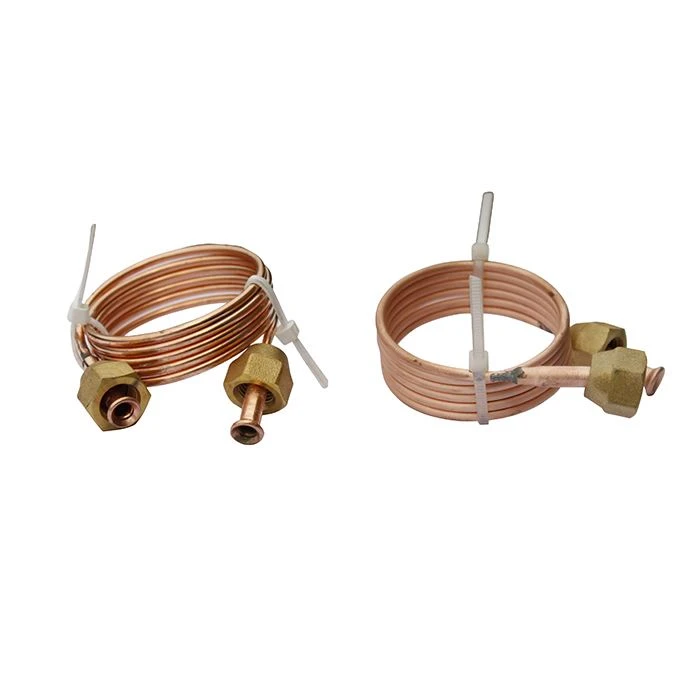

Conclusion
Ensuring the compatibility of copper spare parts with other components is a complex but crucial task. By understanding the properties of copper, considering its compatibility with other metals and non - metallic materials, and taking appropriate measures in different applications, such as refrigeration systems, we can minimize the risk of compatibility issues and ensure the reliable operation of the entire system.
As a supplier of Copper Spare Parts, we are committed to providing high - quality products that are compatible with a wide range of components. If you have any questions or need assistance in selecting the right copper spare parts for your specific application, please feel free to contact us for further discussion and procurement negotiation. We look forward to working with you to meet your needs.
References
- ASM Handbook, Volume 13B: Corrosion: Materials. ASM International.
- Refrigeration and Air - Conditioning Technology, 8th Edition. William C. Whitman, William M. Johnson, John Tomczyk, and Eugene Silberstein.
- Compatibility of Materials in Engineering Systems. CRC Press.