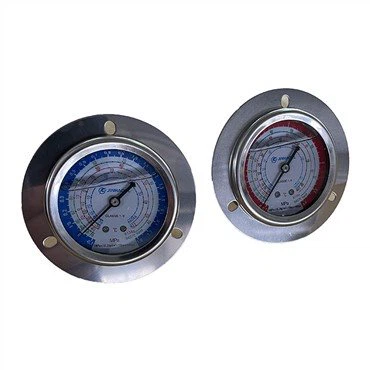
Dealing with a high oil temperature reading on the gauge can be a real headache, but don't worry, I've got your back! As an Oil Gauge supplier, I've seen my fair share of these issues and know just how to tackle them. So, let's dive right in and explore some steps to handle this problem.
Understanding the Problem
First things first, we need to understand why the oil temperature reading on the gauge is high. There could be several reasons behind this. It might be due to a problem with the cooling system, overloading the engine, or a malfunction in the oil circulation.
One common culprit is a clogged radiator or a malfunctioning cooling fan. If the radiator is clogged with debris, it won't be able to cool the oil effectively. Similarly, if the cooling fan isn't working properly, the air flow will be restricted, leading to higher temperatures. Another issue could be low oil levels. When there's not enough oil, the engine has to work harder, causing the temperature to rise.
Checking the Basics
The first thing you should do when you notice a high oil temperature reading is to check the basics. First, stop the engine and let it cool down. This is crucial to prevent any further damage. Once it's cooled, check the oil level. Use the dipstick to see if the oil is at the correct level. If it's low, add more oil according to the manufacturer's specifications.
While you're at it, also check for any visible signs of leaks. Look under the vehicle for any puddles of oil. If you find a leak, it's important to address it as soon as possible. A leak can not only lead to low oil levels but also cause other problems in the long run.
Inspecting the Cooling System
As I mentioned earlier, the cooling system plays a vital role in keeping the oil temperature in check. So, let's take a closer look at it. Start by inspecting the radiator. Check for any blockages or damage. If you see debris, you can try to clean it using a soft brush or compressed air.
Next, examine the cooling fan. Make sure it's spinning freely and there are no loose or damaged parts. You can also check the fan belt for any signs of wear or looseness. If the fan isn't working properly, it might need to be replaced.
Also, don't forget to check the coolant level. If the coolant is low, it could indicate a leak in the radiator or the cooling system. Fill up the coolant reservoir to the recommended level if needed.
Testing the Oil Pressure
Another important aspect to consider is the oil pressure. High oil temperature can sometimes be a sign of low oil pressure. You can use an oil pressure gauge to check the pressure. If the pressure is too low, it could mean there's a problem with the oil pump or other components in the oil circulation system.
If you're not comfortable doing this yourself, it's best to take your vehicle to a professional mechanic. They have the tools and expertise to diagnose and fix the problem accurately.
Replacing Faulty Parts
In some cases, the high oil temperature reading might be due to faulty parts. For example, a malfunctioning thermostat can cause the engine to run too hot. The thermostat controls the flow of coolant through the engine, and if it's not working properly, it can disrupt the cooling process.
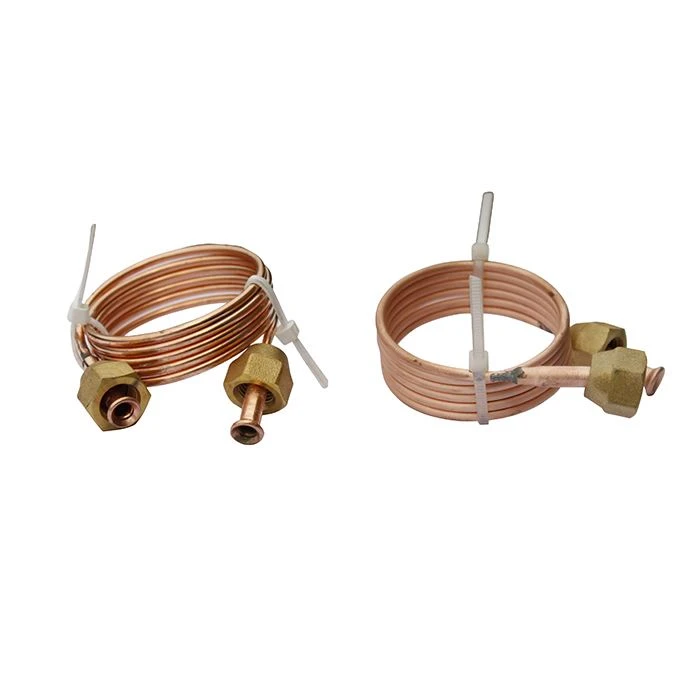

You might also need to replace worn-out gaskets or seals. These can cause leaks and affect the oil circulation. When replacing parts, it's important to use high-quality components. That's where we come in! As an Oil Gauge supplier, we offer a wide range of Copper Spare Parts that are durable and reliable. They are designed to fit your engine perfectly and ensure optimal performance.
Another part that you might need is a Sight Glass. Sight glasses are useful for monitoring the oil level and the condition of the oil. They can help you detect any issues early on and take preventive measures.
If you have a refrigeration system, you might be interested in our Copper Rotalock Valve For Refrigeration Systems | Brass Body Service Valve With Copper Fittings. This valve is essential for controlling the flow of refrigerant and maintaining the proper temperature in the system.
Regular Maintenance
To prevent high oil temperature readings in the future, regular maintenance is key. Make sure to change the oil and the oil filter at the recommended intervals. This will keep the oil clean and ensure proper lubrication of the engine components.
Also, have your vehicle's cooling system checked regularly. A professional mechanic can perform a thorough inspection and identify any potential issues before they become major problems.
Conclusion
Dealing with a high oil temperature reading on the gauge can seem daunting, but by following these steps, you can effectively diagnose and fix the problem. Remember to check the basics, inspect the cooling system, test the oil pressure, and replace any faulty parts. And if you need high-quality parts, we're here to help!
If you're interested in purchasing our products or have any questions, don't hesitate to reach out. We're always ready to assist you in finding the right solutions for your needs. Let's work together to keep your engine running smoothly!
References
- Automotive repair manuals
- Manufacturer's specifications for engines and oil gauges
- Professional automotive technicians' advice