As a trusted Rotalock Valve supplier, I understand the critical importance of ensuring the tightness of Rotalock Valves in refrigeration systems. A well - sealed Rotalock Valve not only guarantees the efficient operation of the system but also prevents refrigerant leakage, which can be both costly and environmentally harmful. In this blog, I will share some effective methods to check the tightness of a Rotalock Valve.
Understanding Rotalock Valves
Before delving into the tightness - checking process, it's essential to have a basic understanding of Rotalock Valves. Rotalock Valves are widely used in refrigeration and air - conditioning systems. They provide a reliable connection between different components of the system, such as compressors, condensers, and evaporators. These valves are designed to be easily installed and removed, which is convenient for maintenance and repair work. The Copper Rotalock Valve For Refrigeration Systems | Brass Body Service Valve With Copper Fittings is a popular choice due to its durability and compatibility with various refrigerants.
Visual Inspection
The first step in checking the tightness of a Rotalock Valve is a visual inspection. This is a simple yet crucial initial assessment.
- External Damage: Carefully examine the valve body for any signs of physical damage, such as cracks, dents, or scratches. Even a small crack can lead to significant refrigerant leakage over time. Look at the threads on the valve and the mating parts. Damaged threads can prevent a proper seal from forming.
- Seal Condition: Check the O - rings or gaskets on the Rotalock Valve. These seals are responsible for preventing refrigerant from escaping. If the O - rings are worn, cracked, or deformed, they need to be replaced immediately. A damaged seal is one of the most common causes of valve leakage.
Pressure Testing
Pressure testing is a more accurate method to check the tightness of a Rotalock Valve.
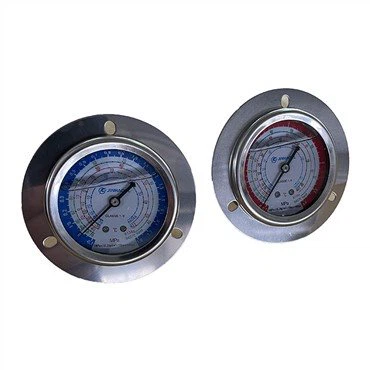
- Preparing the System: First, make sure the refrigeration system is shut down and depressurized. Connect a pressure gauge to the valve. The pressure gauge should be calibrated and suitable for the pressure range of the refrigeration system.
- Applying Pressure: Slowly introduce a test gas, usually nitrogen, into the system. The pressure should be gradually increased to the normal operating pressure of the refrigeration system. It's important to monitor the pressure closely during this process.
- Monitoring for Leaks: Once the desired pressure is reached, observe the pressure gauge for a certain period, typically 15 - 30 minutes. If the pressure drops during this time, it indicates a leak in the system. To pinpoint the location of the leak, you can use a soap - bubble solution. Apply the solution to the valve connections and any suspected areas. If there are bubbles forming, it means there is a leak at that location.
Vacuum Testing
Vacuum testing is another reliable way to check the tightness of a Rotalock Valve.
- Evacuating the System: Use a vacuum pump to evacuate the refrigeration system. The goal is to create a vacuum within the system. The vacuum level should be monitored using a vacuum gauge.
- Leak Detection: After reaching the desired vacuum level, isolate the system from the vacuum pump and observe the vacuum gauge for a period of time, usually 1 - 2 hours. If the vacuum level rises, it indicates that air or refrigerant is entering the system, which means there is a leak. Similar to pressure testing, a soap - bubble solution can be used to find the exact location of the leak.
Using Electronic Leak Detectors
Electronic leak detectors are highly sensitive devices that can detect even the smallest refrigerant leaks.
- Operation: Turn on the electronic leak detector and allow it to warm up according to the manufacturer's instructions. Slowly move the detector's probe around the Rotalock Valve, including the connections and the valve body.
- Interpretation of Results: If the detector emits an alarm or shows a reading above the normal background level, it indicates the presence of a refrigerant leak. Electronic leak detectors are especially useful for detecting leaks in hard - to - reach areas or when the leak is very small.
Importance of Regular Checks
Regularly checking the tightness of Rotalock Valves is essential for the long - term performance of refrigeration systems.
- System Efficiency: A leaky valve can cause a loss of refrigerant, which reduces the efficiency of the refrigeration system. This leads to higher energy consumption and increased operating costs.
- Environmental Impact: Refrigerants can have a significant impact on the environment, especially those with high global warming potential. Preventing refrigerant leakage helps to reduce the environmental footprint of the refrigeration system.
- Safety: Refrigerant leaks can also pose a safety risk. Some refrigerants are toxic or flammable, and a leak can create a hazardous situation in the workplace or living environment.
Other Related Components
In addition to Rotalock Valves, other components in the refrigeration system also play important roles. The Stop Valve is used to control the flow of refrigerant in the system, and its tightness also needs to be checked regularly. The Liquid Distributor ensures an even distribution of liquid refrigerant in the evaporator, and any leakage in this component can affect the performance of the entire system.


Conclusion
Checking the tightness of a Rotalock Valve is a multi - step process that requires careful attention and the use of appropriate tools. By performing visual inspections, pressure testing, vacuum testing, and using electronic leak detectors, you can effectively identify and fix any leaks in the valve. Regular checks are crucial for maintaining the efficiency, safety, and environmental friendliness of refrigeration systems.
If you are in need of high - quality Rotalock Valves or other refrigeration spare parts, I encourage you to contact us for procurement and further discussions. We are committed to providing you with the best products and services to meet your refrigeration needs.
References
- ASHRAE Handbook of Refrigeration.
- Manufacturer's manuals for Rotalock Valves, Stop Valves, and Liquid Distributors.