As a supplier of Cold Room Air Coolers, I often get asked about the energy consumption of these essential cooling devices. Understanding how much energy a cold room air cooler consumes is crucial for businesses looking to manage their operational costs and environmental impact. In this blog post, I'll delve into the factors that influence energy consumption, provide insights on calculating it, and share some tips on how to optimize energy usage.
Factors Affecting Energy Consumption
The energy consumption of a cold room air cooler is influenced by several factors, each playing a significant role in determining the overall power draw. Let's take a closer look at these factors:
1. Cooling Capacity
The cooling capacity of an air cooler is measured in British Thermal Units (BTUs) per hour. A higher BTU rating means the cooler can remove more heat from the cold room, but it also requires more energy to operate. When selecting an air cooler, it's essential to choose one with the appropriate cooling capacity for your cold room size and requirements. Oversizing the cooler can lead to unnecessary energy consumption, while undersizing it may result in inadequate cooling.
2. Insulation
The insulation of the cold room is another critical factor affecting energy consumption. Well-insulated cold rooms retain cold air better, reducing the workload on the air cooler. Poor insulation, on the other hand, allows heat to enter the room, forcing the cooler to work harder and consume more energy. Investing in high-quality insulation materials and ensuring proper installation can significantly reduce energy consumption.
3. Ambient Temperature
The ambient temperature outside the cold room also impacts energy consumption. In warmer climates, the air cooler has to work harder to maintain the desired temperature inside the room. During hot summer months, energy consumption may increase significantly. It's important to consider the local climate when designing and operating a cold room.
4. Airflow and Ventilation
Proper airflow and ventilation are essential for efficient cooling. A well-designed ventilation system ensures that cold air is evenly distributed throughout the cold room, while hot air is effectively removed. Blocked vents or poor airflow can cause hot spots in the room, leading to increased energy consumption as the cooler tries to compensate for the uneven temperature.
5. Fan Motor Efficiency
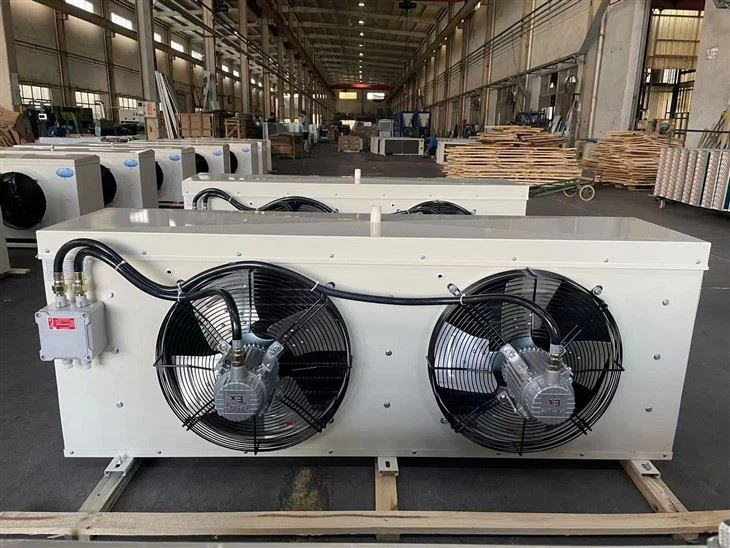
The efficiency of the fan motor in the air cooler plays a crucial role in energy consumption. High-efficiency fan motors use less energy to move air, reducing the overall power draw of the cooler. When choosing an air cooler, look for models with energy-efficient fan motors. For example, our Explosion-proof Air Cooler For Cold Storage | Industrial Refrigeration Evaporator With Explosion-proof Fan Motor is equipped with a high-efficiency explosion-proof fan motor, which not only ensures safety but also helps to save energy.
Calculating Energy Consumption
Calculating the energy consumption of a cold room air cooler can be a complex task, as it depends on multiple factors. However, a simple way to estimate energy consumption is to use the following formula:
Energy Consumption (kWh) = Power Rating (kW) x Operating Hours
The power rating of the air cooler can usually be found on the product label or in the user manual. The operating hours refer to the number of hours the cooler runs per day. For example, if an air cooler has a power rating of 1 kW and runs for 8 hours a day, the daily energy consumption would be 8 kWh.
It's important to note that this is a rough estimate, and actual energy consumption may vary depending on the factors mentioned above. To get a more accurate calculation, you may need to consult with a professional or use energy monitoring tools.
Tips for Optimizing Energy Usage
Here are some tips to help you optimize the energy usage of your cold room air cooler:
1. Set the Right Temperature
Setting the temperature of the cold room at the optimal level can significantly reduce energy consumption. Avoid setting the temperature too low, as this will increase the workload on the cooler. Instead, determine the appropriate temperature for your stored products and maintain it consistently.
2. Regular Maintenance
Regular maintenance of the air cooler is essential for efficient operation. Clean the condenser coils, filters, and fans regularly to ensure proper airflow. Check for any leaks or malfunctions and repair them promptly. A well-maintained cooler will consume less energy and have a longer lifespan.
3. Use Energy-Efficient Models
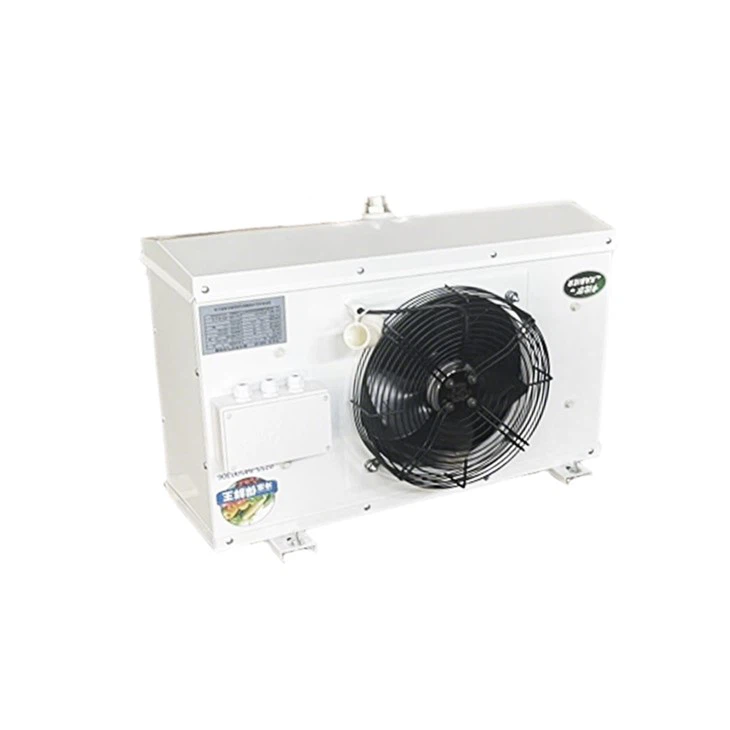
When purchasing a new air cooler, choose energy-efficient models. Look for products with high Energy Star ratings or other energy efficiency certifications. Our 4-Axial Fan Air Cooler – High-Efficiency Industrial And Commercial Cooling Solution and Compact Air Cooler With Axial Single Fan | Refrigeration Evaporator are designed with energy efficiency in mind, offering high performance with low energy consumption.
4. Implement Smart Controls
Smart controls can help you optimize the operation of your air cooler. These controls allow you to set different temperature levels at different times of the day, depending on your usage patterns. For example, you can set the cooler to run at a lower temperature during peak storage hours and a higher temperature during off-peak hours.
Conclusion
Understanding the energy consumption of a cold room air cooler is essential for businesses looking to reduce operational costs and environmental impact. By considering the factors that influence energy consumption, calculating it accurately, and implementing energy-saving measures, you can optimize the energy usage of your cold room air cooler.
As a supplier of Cold Room Air Coolers, we are committed to providing high-quality, energy-efficient products to our customers. If you have any questions about our products or need help with energy optimization, please feel free to contact us. We look forward to discussing your cold room cooling needs and helping you find the best solution for your business.
References
- ASHRAE Handbook - Refrigeration. American Society of Heating, Refrigerating and Air-Conditioning Engineers.
- Energy Star. Energy Star Certified Commercial Refrigeration Equipment.