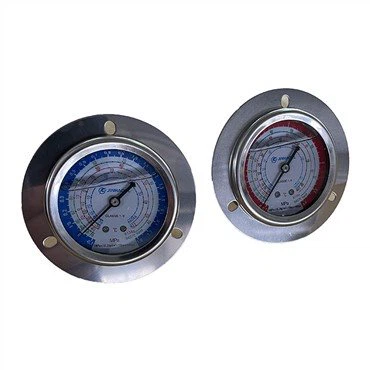
Hey there! As a supplier of Cold Room Air Coolers, I've seen firsthand how static pressure can have a huge impact on the operation of these coolers. In this blog, I'm gonna break down what static pressure is, how it affects cold room air coolers, and why it's crucial to get it right.
What is Static Pressure?
First things first, let's talk about what static pressure actually is. Static pressure is the resistance to airflow in a ventilation system. It's like the push - back your air cooler experiences when trying to move air through ducts, filters, and other components. Think of it as the force that the air has to overcome to get from point A to point B.
There are two main types of static pressure: positive and negative. Positive static pressure occurs when the pressure inside the duct is higher than the pressure outside. Negative static pressure is the opposite, where the pressure outside the duct is higher. In a cold room air cooler system, we're mainly concerned with the total static pressure, which is the sum of the positive and negative pressures.
How Static Pressure Affects Cold Room Air Coolers
Airflow
One of the most significant impacts of static pressure on a cold room air cooler is on airflow. If the static pressure is too high, the air cooler will have a hard time pushing air through the system. This means less air will circulate in the cold room, resulting in uneven temperature distribution. Some areas might be colder than others, and you could end up with hot spots in the room.
For example, if you have a Cool Room Evaporator in your cold room, and the static pressure is too high, the evaporator won't be able to draw in enough warm air to cool it effectively. This will lead to reduced cooling capacity and potentially higher energy consumption as the system has to work harder to achieve the desired temperature.
Fan Performance
The fan in a cold room air cooler is responsible for moving air through the system. High static pressure can put a lot of strain on the fan. When the fan has to work against a high resistance, it may not be able to operate at its optimal speed. This can cause the fan to overheat, leading to premature wear and tear.
If the fan can't maintain the right airflow, it can also affect the efficiency of the Cold Storage Evaporator. The evaporator relies on a consistent flow of air to transfer heat effectively. With reduced airflow due to high static pressure, the evaporator won't be able to remove heat from the air as efficiently, resulting in poor cooling performance.
Energy Efficiency
High static pressure can significantly impact the energy efficiency of a cold room air cooler. When the system has to work against a high resistance, it consumes more energy to maintain the same level of airflow. This means higher electricity bills for you.
Let's say you have a DD Type Medium Temperature Ceiling Air Cooler in your cold room. If the static pressure is not properly managed, the cooler will have to use more power to push air through the ducts. Over time, this can add up to a substantial increase in energy costs.
Factors That Contribute to High Static Pressure
Ductwork
The design and condition of the ductwork in a cold room can have a big impact on static pressure. If the ducts are too narrow, have sharp bends, or are clogged with dirt and debris, they can create a high resistance to airflow. For example, a duct with a lot of 90 - degree bends will cause the air to slow down and create turbulence, increasing the static pressure.
Filters
Filters are an essential part of a cold room air cooler system as they help keep the air clean. However, if the filters are dirty or clogged, they can restrict airflow and increase static pressure. It's important to regularly clean or replace the filters to ensure optimal performance.
Obstructions
Any obstructions in the airflow path, such as equipment placed too close to the air cooler or vents, can also contribute to high static pressure. For instance, if you stack boxes in front of the air intake or exhaust vents of the cooler, it will block the airflow and increase the resistance.
How to Manage Static Pressure
Proper Duct Design
When installing a cold room air cooler, it's crucial to design the ductwork properly. Use smooth, straight ducts whenever possible, and avoid sharp bends. The ducts should also be sized correctly to match the airflow requirements of the cooler. A professional HVAC technician can help you design the right duct system for your cold room.
Regular Maintenance
Regular maintenance is key to keeping static pressure in check. This includes cleaning or replacing filters on a regular basis, inspecting the ductwork for any signs of damage or blockages, and ensuring that there are no obstructions in the airflow path.


Fan Selection
Choosing the right fan for your cold room air cooler is also important. Make sure the fan has the capacity to handle the expected static pressure in your system. Some fans are designed to operate more efficiently at higher static pressures, so it's worth investing in a quality fan that can meet your needs.
Why It Matters for Your Business
As a business owner, having a properly functioning cold room air cooler is essential. If the static pressure is not managed correctly, it can lead to a range of problems, from uneven temperature distribution to higher energy costs. This can affect the quality of your products stored in the cold room and ultimately impact your bottom line.
For example, if you're in the food industry, inconsistent temperatures in the cold room can lead to spoilage of your products. This means wasted inventory and lost revenue. On the other hand, by ensuring that your cold room air cooler is operating at its best with the right static pressure, you can save on energy costs, extend the lifespan of your equipment, and maintain the quality of your products.
Conclusion
So, there you have it! Static pressure plays a crucial role in the operation of a cold room air cooler. It affects airflow, fan performance, and energy efficiency. By understanding the factors that contribute to high static pressure and taking steps to manage it, you can ensure that your cold room air cooler operates smoothly and effectively.
If you're looking for a reliable Cold Room Air Cooler or need help with managing static pressure in your existing system, we're here to assist you. Our team of experts can provide you with the right solutions for your specific needs. Don't hesitate to reach out to us for a consultation and start optimizing your cold room today.
References
ASHRAE Handbook - HVAC Systems and Equipment. American Society of Heating, Refrigerating and Air - Conditioning Engineers.
Manufacturer's manuals for cold room air coolers and related components.