How do international standards for pressure vessels differ from national standards?
As a pressure vessel supplier, I've witnessed firsthand the complexities and nuances that come with navigating the diverse landscape of pressure vessel standards. In this blog post, I'll delve into the differences between international and national standards for pressure vessels, exploring how these variations impact our industry and our customers.
Understanding International Standards
International standards for pressure vessels are developed to provide a common framework for design, manufacturing, and testing across different countries. These standards aim to ensure the safety, reliability, and quality of pressure vessels, regardless of their location or application. One of the most widely recognized international standards for pressure vessels is the ASME Boiler and Pressure Vessel Code (BPVC), developed by the American Society of Mechanical Engineers. The ASME BPVC is adopted by many countries around the world and is considered a benchmark for pressure vessel design and construction.
Another important international standard is the European Standard (EN) for pressure equipment, which includes a series of standards covering different types of pressure vessels, such as EN 13445 for unfired pressure vessels and EN 286 for simple pressure vessels. These standards are harmonized across the European Union (EU) and are intended to facilitate the free movement of pressure equipment within the EU market.
National Standards and Their Variations
While international standards provide a common foundation, national standards can vary significantly from one country to another. These variations can be influenced by a variety of factors, including local regulations, industry practices, and safety requirements. For example, in addition to the ASME BPVC, the United States also has its own national standards, such as the National Board Inspection Code (NBIC), which focuses on the inspection and certification of pressure vessels.
In China, the national standard for pressure vessels is GB 150, which is based on international standards but also incorporates specific requirements and considerations for the Chinese market. Similarly, other countries may have their own unique national standards that reflect their local needs and priorities.

Key Differences Between International and National Standards
One of the main differences between international and national standards is the scope and applicability. International standards are generally more comprehensive and cover a wider range of pressure vessel types and applications. They are designed to be applicable across different countries and industries, providing a common set of rules and guidelines.
On the other hand, national standards may be more specific and tailored to the needs of a particular country or region. They may include additional requirements or restrictions based on local regulations, safety concerns, or industry practices. For example, some national standards may have stricter requirements for materials selection, welding procedures, or inspection methods.
Another difference is the level of detail and prescriptiveness. International standards tend to be more general and provide a framework for design and construction, leaving some flexibility for interpretation and implementation. National standards, on the other hand, may be more prescriptive and provide more detailed requirements and specifications.
Impact on Pressure Vessel Suppliers
As a pressure vessel supplier, these differences in standards can have a significant impact on our business. We need to be aware of the specific requirements of each market we serve and ensure that our products comply with the relevant standards. This may require additional design work, testing, and certification to meet the specific requirements of each country or region.
For example, if we are supplying pressure vessels to the United States, we need to ensure that our products comply with the ASME BPVC and the NBIC. This may involve using specific materials, following approved welding procedures, and obtaining the necessary inspections and certifications. Similarly, if we are supplying pressure vessels to the EU, we need to ensure that our products comply with the relevant EN standards and obtain the necessary CE marking.
In addition to compliance, the differences in standards can also affect our competitiveness in the global market. Customers may have different preferences and requirements when it comes to pressure vessel standards, and we need to be able to meet these needs to win business. By understanding the differences between international and national standards, we can better position ourselves to serve our customers and compete effectively in the global market.
Examples of Pressure Vessels and Standards
To illustrate the impact of these standards, let's take a look at some specific examples of pressure vessels and how they are affected by international and national standards.
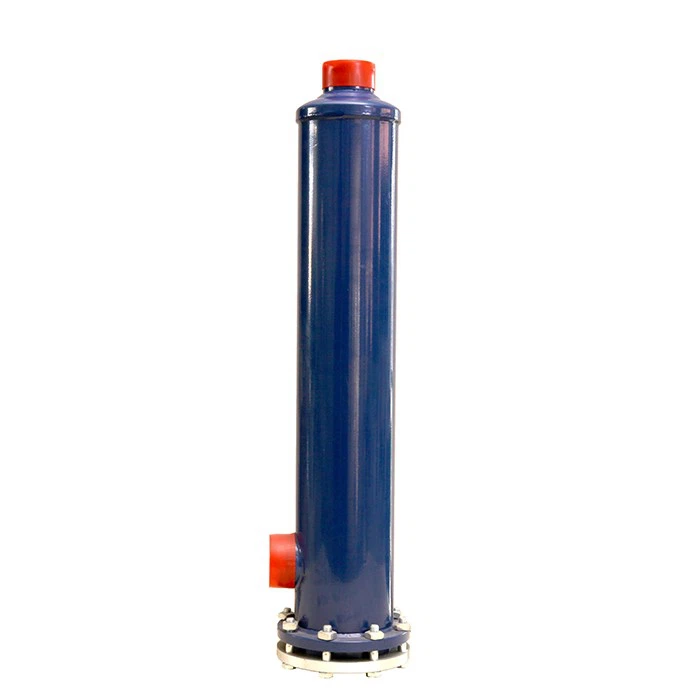
Shell Type Refrigerant Filter Drier: This type of pressure vessel is used in refrigeration systems to remove moisture and contaminants from the refrigerant. When supplying Shell Type Refrigerant Filter Drier, we need to ensure that it complies with the relevant international and national standards for refrigeration equipment. This may include standards for pressure vessel design, materials selection, and safety features.
Filter Drier: Similar to the shell type refrigerant filter drier, Filter Drier is also used in refrigeration systems to filter and dry the refrigerant. The design and construction of filter driers need to comply with the relevant standards to ensure their performance and safety.
Liquid Receiver: A liquid receiver is a pressure vessel used in refrigeration and air conditioning systems to store liquid refrigerant. When supplying Liquid Receiver, we need to ensure that it meets the requirements of the relevant standards for pressure vessel design, fabrication, and testing.
Navigating the Complexities of Standards
Navigating the complexities of international and national standards can be challenging, but it is essential for pressure vessel suppliers to ensure the safety and quality of their products. Here are some tips to help us navigate these complexities:
- Stay Informed: Keep up-to-date with the latest developments in international and national standards for pressure vessels. This may involve subscribing to industry publications, attending conferences and seminars, and participating in standards development committees.
- Work with Experts: Collaborate with experts in the field of pressure vessel design, engineering, and testing. They can provide valuable insights and guidance on compliance with the relevant standards.
- Invest in Training and Certification: Provide training and certification programs for our employees to ensure that they have the knowledge and skills to design, manufacture, and test pressure vessels in accordance with the relevant standards.
- Build Relationships with Customers: Establish strong relationships with our customers and understand their specific requirements and preferences when it comes to pressure vessel standards. This can help us tailor our products and services to meet their needs and ensure their satisfaction.
Conclusion
In conclusion, the differences between international and national standards for pressure vessels can have a significant impact on our industry and our business. As a pressure vessel supplier, it is essential for us to understand these differences and ensure that our products comply with the relevant standards. By staying informed, working with experts, investing in training and certification, and building strong relationships with our customers, we can navigate the complexities of standards and provide high-quality pressure vessels that meet the needs of our global customers.
If you are interested in purchasing pressure vessels or have any questions about our products and services, please feel free to contact us. We look forward to discussing your requirements and working with you to find the best solutions for your business.
References
- American Society of Mechanical Engineers (ASME). Boiler and Pressure Vessel Code (BPVC).
- National Board of Boiler and Pressure Vessel Inspectors. National Board Inspection Code (NBIC).
- European Committee for Standardization (CEN). European Standards (EN) for pressure equipment.
- Standardization Administration of China. GB 150 - Pressure Vessels.