Hey there! As a supplier of Filter Driers, I've seen my fair share of clogged filter driers. It's a common issue that can mess up the performance of your refrigeration or air - conditioning system. So, today I'm gonna walk you through how to unclog a filter drier.
What is a Filter Drier?
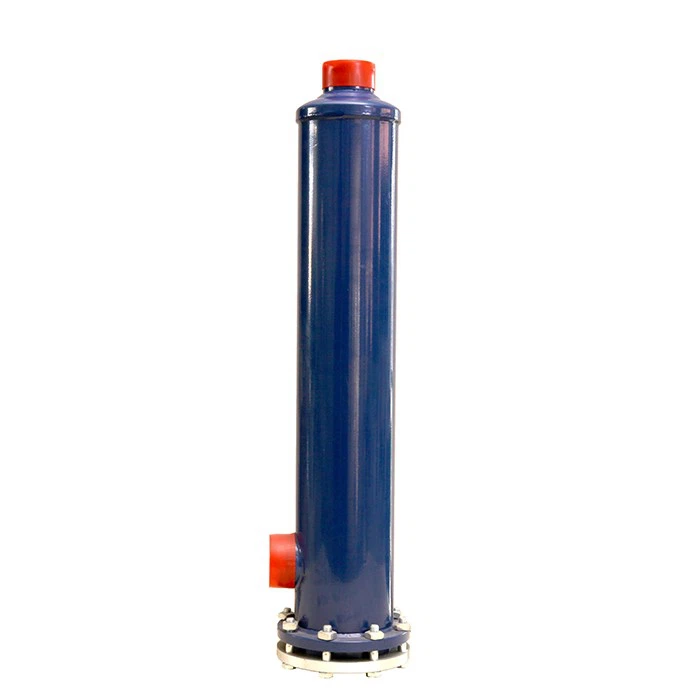
Before we get into the unclogging process, let's quickly talk about what a filter drier is. A Filter Drier is an essential component in a refrigeration or air - conditioning system. Its main job is to remove moisture, dirt, and acid from the refrigerant. Moisture can cause ice to form in the system, dirt can clog up small passages, and acid can damage the compressor and other components.
Signs of a Clogged Filter Drier
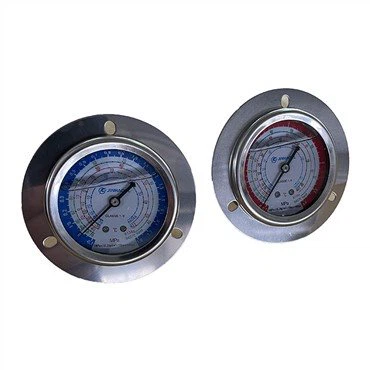
First things first, you need to know if your filter drier is actually clogged. There are a few tell - tale signs. One of the most obvious ones is a drop in system performance. If your AC isn't cooling as well as it used to or your refrigeration unit is taking longer to reach the desired temperature, a clogged filter drier could be the culprit. You might also notice a pressure drop across the filter drier. A pressure gauge on either side of the drier can help you spot this. If the difference in pressure is too high, it's likely clogged. Another sign is frost or ice forming on the filter drier itself. This happens because the restricted flow causes a drop in temperature.
Safety First!
Before you start unclogging the filter drier, safety should be your top priority. Make sure the system is turned off and has been depressurized. You don't want to be working on a system that's under pressure as it can be extremely dangerous. Wear appropriate safety gear like gloves and safety glasses to protect yourself from any refrigerant leaks or sharp edges.
Steps to Unclog a Filter Drier
Step 1: Isolate the Filter Drier
The first step is to isolate the filter drier from the rest of the system. This usually involves closing the valves on either side of the drier. By doing this, you prevent refrigerant from flowing through the drier while you're working on it.
Step 2: Remove the Filter Drier
Once it's isolated, carefully remove the filter drier from the system. This might require some tools like wrenches to loosen the fittings. Be gentle as you don't want to damage the surrounding components.
Step 3: Inspect the Filter Drier
Take a good look at the filter drier. Check for any visible signs of blockage like dirt, debris, or rust. Sometimes, just a quick visual inspection can give you an idea of what's causing the clog. If the clog is really bad, you might be able to see a build - up of material inside the drier.

Step 4: Clean the Filter Drier
Now, it's time to clean the filter drier. There are a few ways to do this. One option is to use a compressed air gun. Start by blowing air through the drier in the opposite direction of normal refrigerant flow. This can dislodge a lot of the dirt and debris. Make sure you're in a well - ventilated area as the debris will come flying out.
Another method is to soak the filter drier in a cleaning solution. You can use a specialized refrigerant system cleaner. Fill a container with the cleaner and submerge the filter drier in it for a few hours. After soaking, rinse it thoroughly with clean water and let it dry completely.
Step 5: Check the Drying Agent
Inside the filter drier, there's a drying agent that absorbs moisture. Check the condition of this drying agent. If it's saturated or damaged, it might need to be replaced. You can usually buy replacement drying agents from suppliers.
Step 6: Reassemble and Test
Once the filter drier is clean and dry, it's time to put it back together. Reinstall the filter drier in the system, making sure all the fittings are tight. Then, open the valves and slowly bring the system back online. Check for any leaks and monitor the system performance. If everything seems to be working fine, then you've successfully unclogged the filter drier.
When to Replace Instead of Unclog
Sometimes, unclogging a filter drier isn't enough. If the drier is severely damaged, corroded, or if the clog is too stubborn to remove, it's better to replace it. As a supplier, I can tell you that Shell Type Refrigerant Filter Drier and Refrigerant Receiver are high - quality options that can be great replacements.
Why Choose Our Filter Driers
As a Filter Drier supplier, we offer top - notch products. Our filter driers are made from high - quality materials that are designed to last. They have excellent moisture and dirt removal capabilities, which helps keep your system running smoothly. We also provide great customer service and can offer advice on which filter drier is right for your specific system.
If you're facing issues with clogged filter driers or are looking to upgrade your existing ones, don't hesitate to reach out. We're here to help you find the best solutions for your refrigeration and air - conditioning needs. Whether you need a simple filter drier replacement or have questions about maintenance, we've got you covered. Contact us for all your filter drier requirements and let's start a great business relationship.
References
- Refrigeration and Air - Conditioning Technology, 8th Edition, by William C. Whitman, William M. Johnson, and John Tomczyk.
- ASHRAE Handbook of Refrigeration.