Hey there! I'm a supplier of filter driers, and I know how tricky it can be to pick the right one. In this blog, I'll share some tips and factors to consider when choosing a filter drier, so you can make an informed decision.
First off, let's talk about what a filter drier does. A filter drier is an essential component in a refrigeration or air - conditioning system. Its main jobs are to filter out contaminants like dirt, metal particles, and moisture from the refrigerant. Moisture in the system can cause a whole bunch of problems, such as corrosion, ice formation in the expansion valve, and chemical reactions that can damage the compressor. Contaminants can also clog the system and reduce its efficiency.
Compatibility with Refrigerant
The type of refrigerant your system uses is a super important factor. Different refrigerants have different chemical properties, and a filter drier must be compatible with the specific refrigerant. For example, if you're using R - 410A, which is a popular refrigerant in modern air - conditioning systems, you need a filter drier that's designed to work well with it. Using an incompatible filter drier can lead to poor performance, and in some cases, it can even damage the system.
Some filter driers are designed to be multi - refrigerant compatible. These can be a good option if you're working on systems that use different types of refrigerants. However, it's always a good idea to double - check the manufacturer's specifications to make sure it's suitable for your particular refrigerant.
Moisture and Contaminant Removal Capacity
Another key thing to look at is the moisture and contaminant removal capacity of the filter drier. This is usually measured in terms of the amount of moisture it can absorb and the size of the particles it can filter.
For systems that are more prone to moisture ingress, like those in humid environments or systems that have been opened for maintenance, you'll need a filter drier with a higher moisture removal capacity. The same goes for systems that are likely to have a lot of contaminants, such as systems with a history of compressor failure or those that have been installed in dirty environments.
The size of the filter drier also plays a role in its capacity. Generally, larger filter driers can handle more moisture and contaminants. But you need to make sure that the size of the filter drier is appropriate for your system. An oversized filter drier can cause unnecessary pressure drops, while an undersized one won't be able to do its job effectively.
System Application
The application of your refrigeration or air - conditioning system matters too. For example, in a commercial refrigeration system, which often runs continuously, you'll need a filter drier that can handle long - term use and high - volume refrigerant flow. These systems may require a filter drier with a larger capacity and better durability.
On the other hand, a residential air - conditioning system may not need as high - end a filter drier as a commercial one. However, it still needs to be reliable and efficient. You also need to consider the specific requirements of the application, such as the temperature and pressure conditions under which the system operates.
Pressure Drop
Pressure drop across the filter drier is an important consideration. A high pressure drop can reduce the efficiency of the system and increase energy consumption. When the refrigerant has to work harder to pass through the filter drier, it means the compressor has to work harder too.
You want to choose a filter drier that has a low pressure drop while still being able to effectively filter and dry the refrigerant. Some filter driers are designed with special internal structures to minimize pressure drop, so look for these features when making your selection.
Brand and Quality
The brand and quality of the filter drier can't be overlooked. A well - known and reputable brand is more likely to produce high - quality filter driers that meet industry standards. They usually have better research and development, and their products are often more reliable and durable.

When you're looking at different brands, check for customer reviews and feedback. This can give you an idea of how well the filter driers perform in real - world applications. Also, look for products that come with a warranty. A warranty shows that the manufacturer has confidence in their product.
Additional Features
Some filter driers come with additional features that can be useful. For example, some have a sight glass, which allows you to visually check the condition of the refrigerant and the presence of moisture. This can be really handy for maintenance and troubleshooting.
There are also filter driers that are designed to be easy to install and replace. This can save you time and money, especially if you're doing the installation or maintenance yourself.
Related Products
If you're working on a refrigeration or air - conditioning system, you might also be interested in related products like Suction Line Accumulator and Oil Separator. A suction line accumulator helps to prevent liquid refrigerant from entering the compressor, which can cause damage. An oil separator separates the oil from the refrigerant, ensuring that the oil returns to the compressor where it's needed.
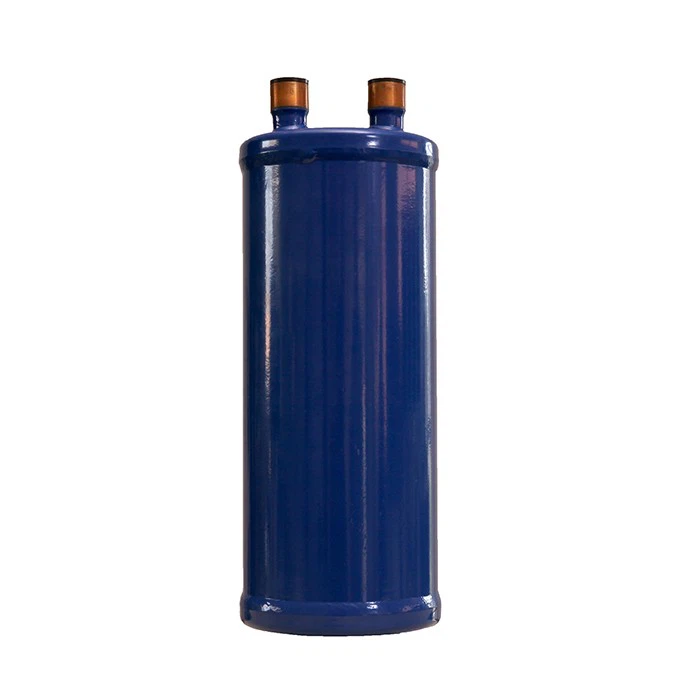
And of course, don't forget about Shell Type Refrigerant Filter Drier. These are a popular type of filter drier, known for their durability and effectiveness in removing moisture and contaminants.
Conclusion
Choosing the right filter drier is crucial for the proper functioning and longevity of your refrigeration or air - conditioning system. By considering factors like refrigerant compatibility, moisture and contaminant removal capacity, system application, pressure drop, brand and quality, and additional features, you can make a smart choice.
If you're still not sure which filter drier is right for your system, don't hesitate to reach out. As a filter drier supplier, I have the expertise and experience to help you find the perfect fit for your needs. Whether you're a professional in the HVAC industry or a DIY enthusiast, I'm here to assist you in making the best decision for your system. So, if you're ready to start the procurement process or just want to have a chat about your options, let's get in touch and discuss your requirements.
References
- ASHRAE Handbook - Refrigeration. American Society of Heating, Refrigerating and Air - Conditioning Engineers.
- Manufacturer's specifications and technical documentation for filter driers.