Hey there! As a supplier of Cold Storage Coolers, I often get asked whether it's a good idea to store fruits and vegetables together in these coolers. It's a common question, and the answer isn't as straightforward as you might think. Let's dive into this topic and figure out what works best.
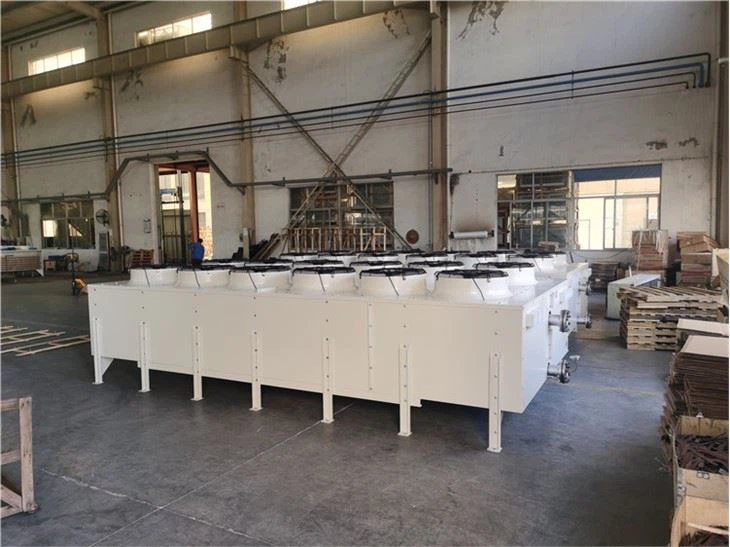
First off, let's understand why we use Cold Storage Coolers in the first place. These coolers are designed to keep food fresh for longer by maintaining a low temperature. They come in different types, like the Floor-standing Type Air Cooler and the Dual Discharge Air Cooler. These coolers are great for businesses that need to store a large amount of produce, like grocery stores, restaurants, and farms.

Now, back to the question: Can you store fruits and vegetables together? Well, it depends on a few factors.
The Ethylene Factor
One of the biggest things to consider is ethylene gas. Ethylene is a natural plant hormone that helps fruits ripen. Some fruits, like apples, bananas, and avocados, produce a lot of ethylene. On the other hand, some vegetables, like leafy greens, broccoli, and cucumbers, are very sensitive to ethylene. When ethylene-sensitive vegetables are exposed to high levels of ethylene, they can spoil faster, turn yellow, or even develop off-flavors.
So, if you store ethylene-producing fruits and ethylene-sensitive vegetables together, the vegetables are likely to go bad quicker. For example, if you put apples and lettuce in the same cooler, the apples will release ethylene, which can cause the lettuce to wilt and rot faster.
Temperature Requirements
Another factor to think about is temperature. Different fruits and vegetables have different temperature requirements for optimal storage. For instance, most tropical fruits, like bananas and mangoes, prefer a warmer temperature, around 55 - 60°F (13 - 16°C). On the other hand, many leafy greens and root vegetables do best at a cooler temperature, around 32 - 40°F (0 - 4°C).
If you store fruits and vegetables with different temperature needs together, you might end up with some produce that's too cold and some that's too warm. This can lead to spoilage and a shorter shelf life for your food.
Humidity Needs
Humidity is also an important factor. Some fruits, like berries, need high humidity to prevent them from drying out. On the other hand, some vegetables, like onions and garlic, prefer low humidity to avoid mold and rot.
If you store fruits and vegetables with different humidity needs in the same cooler, it can be challenging to maintain the right conditions for both. You might end up with moldy onions or shriveled berries.
Exceptions to the Rule
However, there are some cases where you can store fruits and vegetables together. For example, carrots and apples can be stored together because carrots are not very sensitive to ethylene. Also, some root vegetables, like potatoes and sweet potatoes, can be stored with certain fruits without any major issues.
Tips for Storing Fruits and Vegetables in a Cold Storage Cooler
If you decide to store fruits and vegetables together, here are some tips to help you keep your produce fresh:
- Separate Ethylene Producers and Sensitive Vegetables: Use separate containers or compartments in your cooler to keep ethylene-producing fruits away from ethylene-sensitive vegetables.
- Monitor Temperature and Humidity: Make sure your cooler is set to the right temperature and humidity for the majority of the produce you're storing. You can use a thermometer and a hygrometer to keep track.
- Check Regularly: Regularly inspect your produce for signs of spoilage. Remove any spoiled items immediately to prevent the spread of mold and bacteria.
- Use Proper Packaging: Use breathable bags or containers to store your produce. This can help maintain the right humidity levels and prevent the buildup of moisture.
Our Cold Storage Coolers
At our company, we offer a wide range of Cold Storage Coolers, including the Refrigeration Condensers And Evaporators. Our coolers are designed to provide precise temperature and humidity control, making them ideal for storing fruits and vegetables. Whether you need a small cooler for a home kitchen or a large commercial cooler for a business, we've got you covered.
Conclusion
In conclusion, while it's possible to store fruits and vegetables together in a Cold Storage Cooler, it's not always the best idea. You need to consider factors like ethylene production, temperature requirements, and humidity needs. By following the tips I've mentioned and using the right cooler, you can keep your produce fresh and reduce waste.
If you're interested in learning more about our Cold Storage Coolers or have any questions about storing fruits and vegetables, feel free to reach out. We're here to help you make the best decision for your needs. Let's work together to keep your produce fresh and your business running smoothly.
References
- Kader, A. A. (2002). Postharvest technology of horticultural crops. University of California, Division of Agriculture and Natural Resources.
- Watada, A. E., & Qi, X. (1999). Postharvest handling and storage of fresh produce. In Handbook of produce preservation (pp. 1 - 26). Marcel Dekker.